Introduction to eSIM Technology
The rapid advancement of mobile technology has paved the way for innovative solutions catering to the evolving needs of users, and one of the most transformative developments in recent years is the eSIM technology. Standing for embedded Subscriber Identity Module, the eSIM is a digital alternative to the traditional plastic SIM card, providing numerous benefits for mobile users worldwide. In an era where flexibility and efficient connectivity are paramount, understanding eSIM technology becomes critical. This article delves deep into what an eSIM is, how it functions, its advantages over traditional SIM cards, practical steps to activate eSIM on your device, and insights into choosing the right eSIM plan. For further information and resources on this topic, visit https://esimfo.com.
What is an eSIM?
An eSIM, or embedded SIM, is a digital SIM that allows a device to connect to a mobile network without requiring a physical SIM card. Unlike traditional SIM cards, which are removable and must be inserted into a device, eSIMs are embedded within the hardware and can be programmed remotely. This means that rather than physically switching SIM cards when changing carriers or activating new plans, users can simply switch profiles or plans through software adjustments on their devices.
How eSIM Differs from Traditional SIM Cards
Traditional SIM cards are small physical chips that store user information and authentication data to connect to a mobile network. Users are required to manually replace these cards when changing networks or upgrading devices. In contrast, eSIMs offer several key advantages:
- Convenience: Changing mobile carriers or plans can be done remotely without the need for a physical exchange.
- Space-Saving: Devices can be designed with more space for other technologies, enabling thinner and more compact designs.
- Support for Multiple Profiles: An eSIM can store multiple carrier profiles, making it easy for users to switch between them as needed.
Why Choose eSIM? Benefits and Advantages
The shift to eSIM technology presents several benefits:
- Increased Flexibility: Perfect for travelers, users no longer need to worry about acquiring new SIM cards in different countries. eSIM allows them to switch to local carriers, often with better rates and data plans.
- Enhanced Security: As eSIMs cannot be physically removed or tampered with, they offer better security against theft or loss.
- Environmentally Friendly: The reduction in plastic usage from physical SIM cards contributes to a more sustainable approach to mobile technology.
- Improved Connectivity: The seamless activation process means users can remain connected more easily and quickly, with minimal downtime.
How to Activate eSIM on Your Device
Activating an eSIM is a relatively straightforward process, but it does vary depending on the device and carrier. Understanding the requirements and steps can streamline the process for users.
Compatible Devices for eSIM Activation
Not all devices support eSIM technology. Most modern smartphones, tablets, and smartwatches have started to incorporate eSIM capabilities. Generally, leading brands such as Apple, Google, and Samsung have models equipped with eSIM support. Users should check their device specifications or manufacturer's information to confirm eSIM compatibility.
Step-by-Step Guide to Activating eSIM
Here’s a general step-by-step guide to activating an eSIM on an eligible device:
- Check Device Compatibility: Ensure your device supports eSIM and is unlocked.
- Select a Carrier: Choose a mobile carrier that supports eSIM and offers a compatible plan.
- Obtain an Activation QR Code: After purchasing your plan, the carrier will provide a QR code or an activation code.
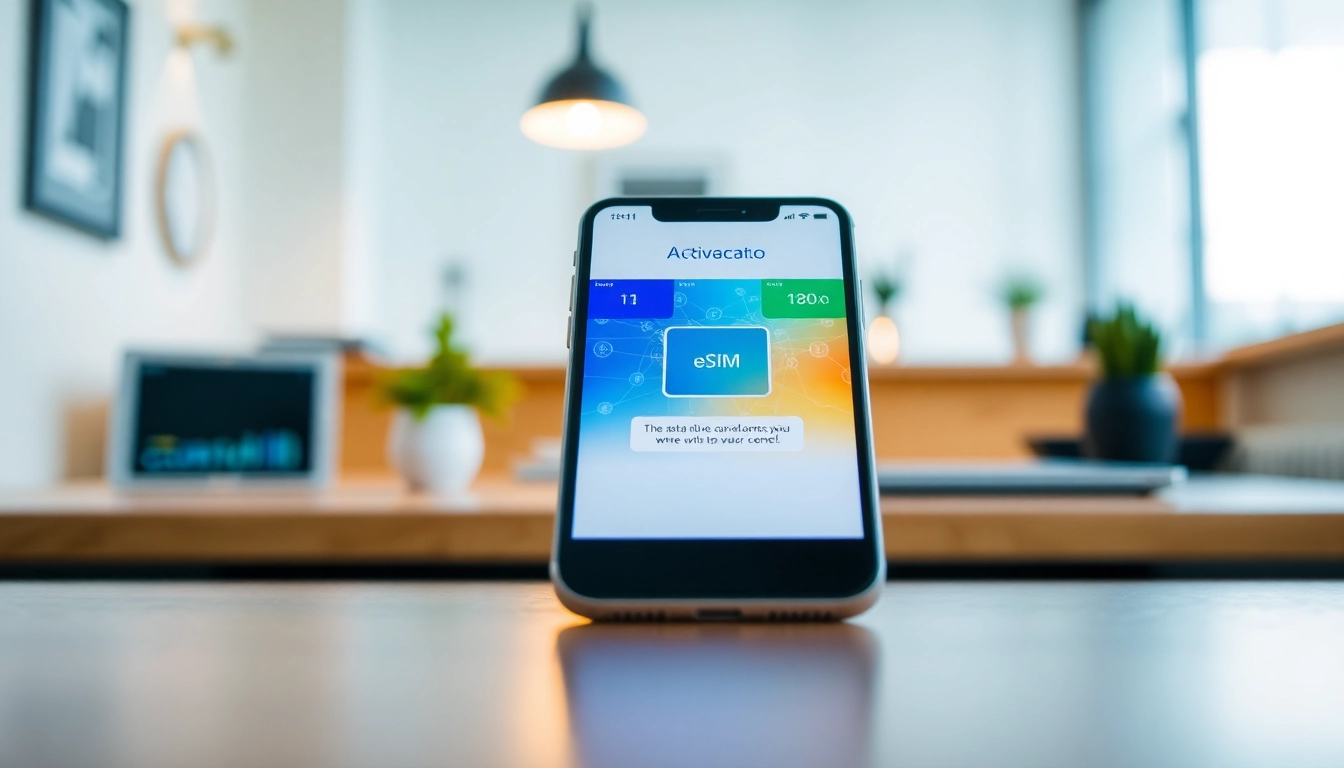
- Access Settings on Your Device: Navigate to the mobile network settings on your device and select the option to add a new plan.
- Scan the QR Code or Enter Information: Use your device’s camera to scan the QR code. If provided with an activation code, enter it manually.
- Confirm Activation: Follow any additional prompts provided by your device to complete the activation.
Troubleshooting Common eSIM Activation Issues
While many users find eSIM activation to be seamless, there can be occasional issues:
- QR Code Not Scanning: Ensure there is adequate light and no glare on the code. Try cleaning the camera lens if issues persist.
- Activation Errors: Double-check the entered activation details, and ensure your device is connected to a stable Wi-Fi or network connection.
- Device Not Recognizing eSIM: Restarting your device can sometimes resolve recognition issues.
- Carrier-Specific Errors: If issues persist, contacting the carrier’s support can help resolve specific activation problems.
Comparing eSIM Plans: Tips for Smart Selection
Choosing the right eSIM plan requires evaluating various factors to ensure optimal connectivity and cost-effectiveness.
Understanding Data Plans Offered via eSIM
eSIM plans vary significantly between carriers and countries. It's essential to understand the data allowance, speed limits, and roaming capabilities each plan offers. Users typically should look for:
- Data Limits: How much data is included? Is it sufficient for your needs, especially if traveling?
- Speed Throttling: Are there any restrictions or reduced speeds once a certain data threshold is reached?
- Roaming Charges: Understand the costs associated with using the eSIM in different regions.
How to Compare eSIM Providers
When comparing eSIM providers, consider the following:
- Network Coverage: Review the coverage maps of each provider to ensure there are no blind spots in your area.
- User Reviews and Ratings: Research customer experiences to assess network reliability and customer service quality.
- Plan Flexibility: Look for providers that offer flexible plans that fit your lifestyle, including prepaid, pay-as-you-go, or subscription models.
Cost Factors: What to Expect
Understanding the cost structure will help in making informed decisions. Be aware of:
- Monthly Fees: Many providers will have a monthly fee that varies based on data usage or features.
- Setup Fees: Some carrier plans may charge an activation or setup fee upon onboarding.
- International Rates: If traveling abroad, ensure you are aware of the rates for using data and making calls.
eSIM Security and Privacy Considerations
As mobile connectivity evolves, so do the strategies for securing user data and privacy. eSIM technology introduces particular considerations in this realm.
How Secure is eSIM Technology?
eSIMs are designed with enhanced security features. Their embedded nature makes it difficult for hackers to physically access the SIM, reducing the risk of theft or cloning. Additionally, eSIM management systems allow for remote updating and deactivation, providing a robust layer of security to safeguard personal information.
Privacy Features of eSIM
Being able to switch profiles effortlessly with eSIM technology allows users more control over their privacy. They can choose to use a local carrier while traveling, resulting in reduced surveillance by their home carrier. Furthermore, as an eSIM user, individuals can manage when and how their data is shared, enhancing their overall privacy.
Best Practices for eSIM Users
To fully benefit from eSIM technology, consider implementing these best practices:
- Regularly Update Profiles: Keep profiles updated to reflect any plan changes or security enhancements.
- Secure Your Device: Maintain strong passwords and enable biometric security options.
- Monitor Data Usage: Regularly check data consumption and adjust your plan if necessary to avoid unexpected charges.
Future Trends in eSIM Technology
The advancements in eSIM technology are rapidly progressing, with many exciting developments on the horizon that can reshape how users interact with mobile networks.
Upcoming Features and Innovations
Future innovations in eSIM technology may include:
- Enhanced User Interfaces: Improved user interfaces for managing multiple carrier connections more seamlessly.
- Integration with IoT Devices: As more devices adopt eSIM technology, users can expect better integration and management of multiple devices through a single mobile plan.
The Growing Role of eSIM in IoT Devices
With the rise of the Internet of Things (IoT), eSIM technology is poised to play a crucial role. Embedded SIMs allow various IoT devices—such as wearables, smart appliances, and automotive systems—to connect to mobile networks without needing traditionally sized SIM cards. This can streamline device management, improve scalability, and ensure better connectivity.
How eSIM is Shaping the Mobile Industry
eSIM technology is fundamentally changing the mobile industry landscape. It encourages carriers to offer better customer experience, drives competition among providers, and prompts advancements in mobile technologies. As more consumers adopt eSIM, market responsiveness will increase, leading to further innovations and richer customer experiences.