Understanding Vintage Fashion and Its Appeal
What is Vintage Fashion?
Vintage fashion encompasses clothing, accessories, and footwear that were made in a previous era and are still desirable today. While there is no strict definition of what qualifies as vintage, items that are typically at least 20 years old are often included. The essence of vintage fashion lies in its unique aesthetic that reflects the culture, trends, and craftsmanship of the time. This style can be anything from 1920s flapper dresses to 1980s denim jackets, appealing to a wide range of tastes.
The History of Vintage Clothing
The origins of vintage fashion can be traced back to the mid-20th century when the concept of fashion cycles emerged. As styles changed, clothing from previous decades became attractive to those seeking to stand out from contemporary trends. In the 1960s and 1970s, the movement gained momentum with the rise of thrift stores and vintage boutiques, where people began to appreciate the artistry and craftsmanship of older garments. Today, vintage clothing is not merely a nostalgic representation of fashion history, but also a sustainable choice amidst today's fast-fashion industry.
Why Vintage Style is Timeless
Vintage fashion offers something that contemporary clothing often fails to provide: a sense of history and individuality. Each piece tells a story, showcasing the craftsmanship of its era. Moreover, vintage style allows individuals to express their personal aesthetic without conforming to mainstream trends. The sustainability angle also adds to its allure, as vintage clothing promotes reusing and recycling, making it an environmentally friendly choice. It embodies the idea that style can indeed be timeless.
How to Shop for Vintage Clothing
Identifying Authentic Vintage Pieces
Shopping for vintage clothing can be enriching, but it requires a keen eye for authenticity. Start by examining labels; genuine vintage pieces often have tags that represent a specific period's style. Familiarize yourself with the characteristics of garments from various decades, such as fabric types and stitching techniques. Additionally, check for telltale signs that a piece is vintage, like zippers or buttons that differ from modern styles. Taking the time to inspect seams, lining, and even the smell of a piece can help you determine its authenticity.
Where to Find the Best Vintage Shops
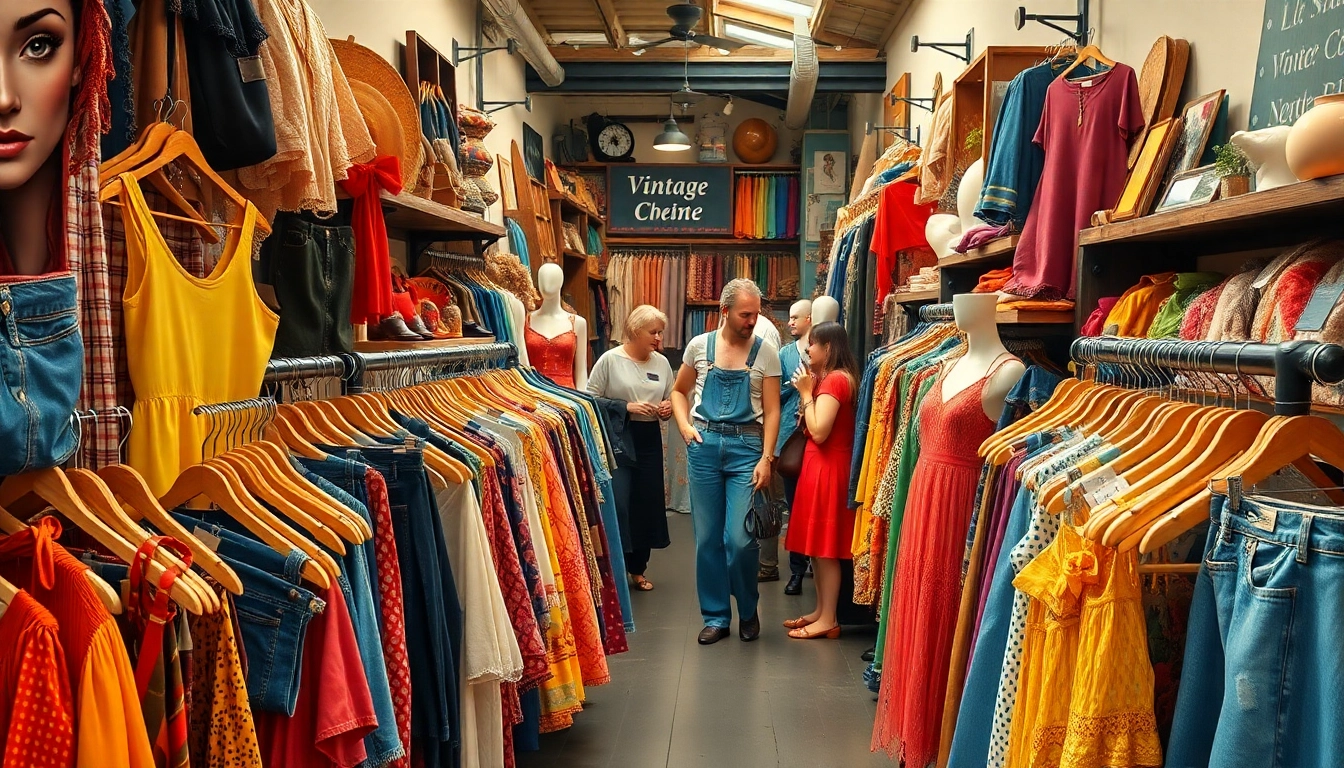
Locating top-notch vintage shops requires a bit of research and exploration. Many cities have thriving vintage economies; start by looking for thrift stores, consignment shops, and dedicated vintage boutiques. Online platforms have also made it easier to shop for vintage items from the comfort of your own home. Websites that specialize in curated vintage collections often provide a great selection. Being in tune with your local vintage scene will help you discover hidden gems that may not be immediately visible on mainstream shopping platforms. For more curated choices, browsing options available on https://thrift-vintage.com can be a great starting point.
Shopping Tips for Different Body Types
Every body is unique, and approaching vintage shopping with this mindset is vital. Understanding which styles flatter your body type can enhance your vintage shopping experience. For example, curvier figures may find A-line dresses from the 1950s particularly flattering, while athletic builds may prefer 70s-inspired wrap dresses. Don't be shy to try on various items; vintage sizing can differ significantly from contemporary sizing. A great tip is to focus on how comfortable you feel in the pieces, ensuring that vintage style translates well into your modern wardrobe.
Caring for Your Vintage Clothes
Cleaning Techniques for Various Fabrics
Preserving the quality of vintage clothing is paramount in prolonging its lifespan. Different fabrics require distinct care approaches. For instance, silk and delicate materials typically demand dry cleaning, while cotton and linen can often be hand-washed gently. Always read the care label if available and consider a color test in a non-visible area before cleaning. For stubborn stains, a mild detergent and cold water can work wonders. It is advisable to avoid harsh chemicals that may damage the fabric and to let items air dry instead of using a machine, preserving their structure and integrity.
Repairing and Restoring Vintage Items
Minor repairs can significantly extend the life of your vintage wardrobe. Simple tasks like sewing buttons or mending seams can prevent further damage. For beyond-basic repairs, seek out professionals specializing in vintage clothing. Restoration can also include techniques like patching holes creatively or dyeing items to refresh them without losing their vintage charm. However, it’s crucial to balance restoration and preservation, ensuring that the original character of the garment is maintained.
Proper Storage Methods for Longevity
How you store your vintage clothing can greatly affect its longevity. When storing garments, ensure they are clean and dry to prevent mold and pests. Avoid using wire hangers, which can distort the shape of items; instead, opt for padded or wooden hangers. For delicate fabrics, acid-free tissue paper can be used to fill out areas of the garment during storage. Keep items away from direct sunlight and humidity, and consider using breathable garment bags to provide extra protection against dust and environment factors.
Styling Vintage Pieces with Modern Fashion
Mixing Vintage with Contemporary Trends
Integrating vintage clothing with modern pieces allows for endless styling possibilities. The key lies in balance; pairing a vintage blouse with contemporary jeans can create an effortlessly chic look. Alternatively, wearing vintage-inspired accessories with a simple modern outfit can add an element of surprise. Layering is also an excellent technique—consider mixing textures and eras to develop a unique personal style that showcases both vintage charm and modern flair.
Accessorizing Vintage Outfits
Accessories play a pivotal role in enhancing vintage outfits. Items such as statement belts, vintage handbags, and authentic jewelry can elevate any look. When accessorizing, consider pieces that are reminiscent of the era of your vintage garment but also complement your style sensibilities. Additionally, hats, scarves, and shoes can take your outfit from ordinary to extraordinary while adding that extra dimension of individuality and personality.
Dressing for Occasions with Vintage Flair
Knowing how to dress for various occasions using vintage pieces is an art. For casual outings, think of pairing vintage T-shirts with tailored trousers for a stylish yet laid-back vibe. When attending formal events, elegant vintage dresses can make striking statements. Seasonal events can also be an opportunity to showcase vintage styles; for instance, a vintage floral dress might be perfect for a summer wedding, while a tailored 80s blazer can add personality to autumn gatherings. Whatever the occasion, there’s nearly always a vintage piece waiting to shine.
The Future of Vintage Fashion
Sustainability and Ethical Fashion Practices
The conversation around fashion sustainability is increasingly relevant, and vintage clothing stands at the forefront of the movement. Choosing vintage pieces helps reduce waste and combat fast fashion's detrimental impact on the environment. By embracing vintage, consumers support a more ethical approach to fashion that champions reuse instead of disposability. The growth of vintage fashion is a testament to a collective shift in values towards sustainability and responsible consumption in clothing choices.
Vintage Fashion in the Digital Age
The digital landscape has revolutionized how consumers engage with vintage fashion, from online marketplaces to social media platforms where enthusiasts share their finds and outfits. Vintage clothing is now more accessible than ever. Digital archives and marketplaces have become essential for collectors and casual shoppers alike. This shift not only broadens the shopping experience but also fosters community connections among those who cherish vintage aesthetics, giving rise to new trends and markets.
Trends to Watch in Vintage Clothing
As the love for vintage fashion continues to grow, several trends are emerging. Look for the resurgence of 90s and Y2K styles, characterized by bold colors and playful patterns, to dominate wardrobes. Additionally, eco-conscious consumers are steering towards vintage as a sustainable alternative to fast fashion, leading to a wider acceptance of asymmetrical silhouettes and repurposed designs. The blending of fashion eras is also becoming common, producing unique looks that reflect personal styles while paying homage to history. Keeping an eye on these trends can help every vintage lover stay ahead in the fashion game.