Introduction to Warehousing
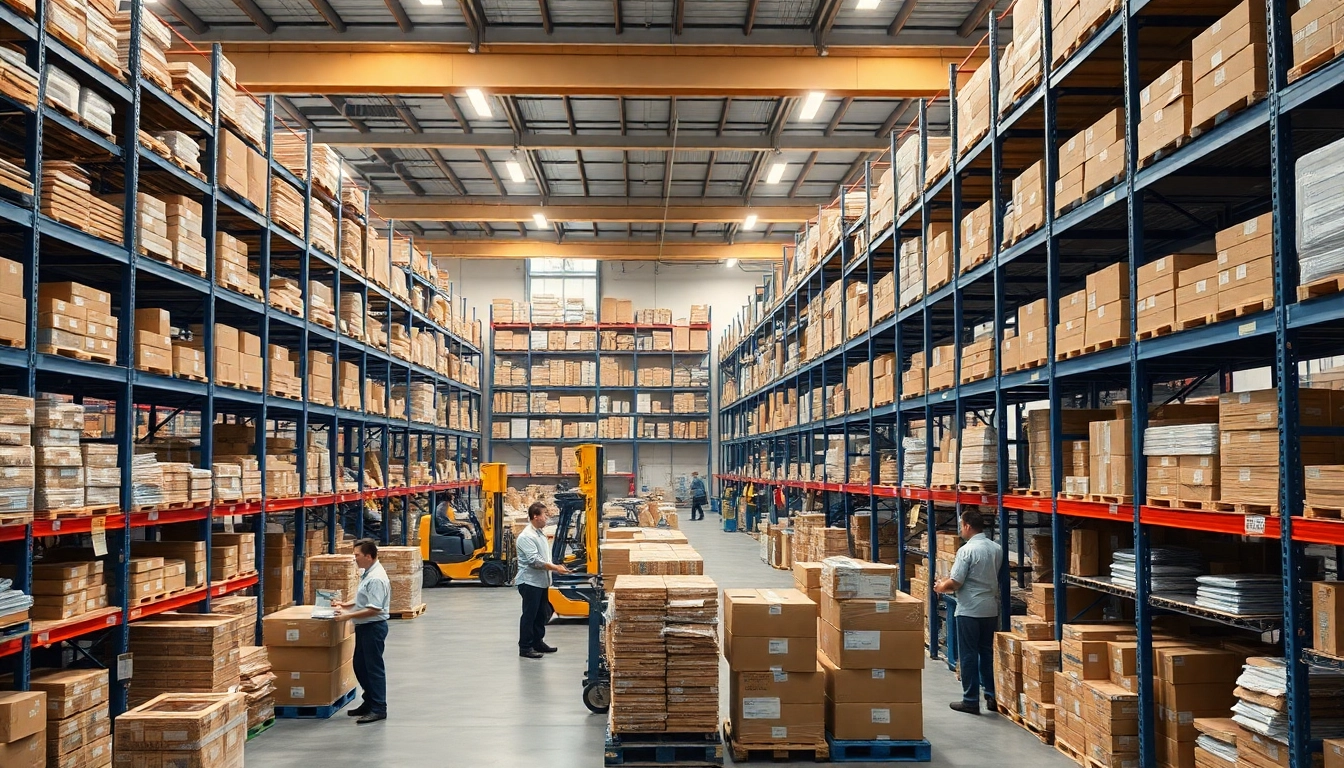
In today's fast-paced economy, warehousing plays a critical role in logistics and supply chain management. From manufacturers and distributors to retailers, the need for efficient storage solutions has never been greater. A warehouse not only serves as a storage facility but also acts as a pivotal point for inventory management, fulfillment, and distribution operations.
Definition of warehousing
Warehousing refers to the process of storing goods in a designated space before they are either shipped out to customers or used in production. The primary function of a warehouse is to maintain the inventory flow within a supply chain, ensuring that stock levels meet the demand while minimizing costs. Through strategic storage and handling practices, businesses can ensure that products are stored securely and available for timely delivery.
Importance of warehousing in supply chains
Understanding the significance of warehousing is essential for companies looking to optimize their supply chains. Warehousing acts as a buffer between production and consumption, allowing businesses to store products when supply exceeds demand. This flexibility aids in accommodating fluctuations in customer orders and seasonal demands. Furthermore, effective warehousing can lead to reduced transportation costs, improved customer service, and enhanced operational efficiency.
Types of warehousing
Businesses can choose from various types of warehousing solutions, each designed to meet different needs and operational requirements:
- Public Warehousing: Operated as an independent business, public warehouses offer storage services to multiple clients on a rental basis. This option is beneficial for businesses with fluctuating inventory needs.
- Private Warehousing: Owned and operated by a specific company, private warehouses offer greater control over inventory and operations. This is ideal for businesses with consistent volumes or specialized storage needs.
- Distribution Centers: These facilities are crucial for the movement of goods, equipped to rapidly dispatch products to various locations. They focus on optimizing the supply chain process.
- Cold Storage Warehouses: Used primarily for perishable goods, cold storage warehouses maintain specific temperature ranges to ensure product integrity.
- Automated Warehouses: Leveraging advanced technologies, automated warehouses enhance efficiency and accuracy in storage and retrieval processes.
Key Features of Effective Warehousing
Storage systems and layouts for warehousing
Effective warehousing relies heavily on optimal storage systems and layouts. The selection of an appropriate layout—be it conventional, flow-through, or multi-storey—has a significant impact on efficiency. Strategies such as cross-docking can streamline operations by reducing handling and storage time, allowing products to move swiftly from receiving to shipping areas.
Storage systems also vary widely, from pallet racking to shelving, and should be chosen based on the types of goods stored, accessibility, and space optimization. Regular assessments and reorganizations of the storage layout can help maintain an efficient flow of goods within the warehouse.
Technology in warehousing operations
The integration of technology is revolutionizing warehousing operations. Warehouse Management Systems (WMS) assist in overseeing and controlling warehouse functions from the moment goods enter a facility until they leave. Features such as real-time tracking, inventory management, and automated reporting enhance accuracy and prevent stock discrepancies.
Moreover, innovations such as barcode scanners, RFID technology, and automated guided vehicles help streamline operations, reduce human error, and increase overall productivity in the warehousing process.
Inventory management in warehousing
Robust inventory management practices are vital for effective warehousing. Techniques such as Just-In-Time (JIT) inventory help minimize holding costs while ensuring product availability. Businesses must implement systematic approaches to inventory tracking and replenishment to improve stock levels and reduce excess inventory.
Cycle counting, ABC analysis, and regular audits play critical roles in maintaining inventory accuracy, which directly impacts order fulfillment and customer satisfaction. The goal is to strike a balance between carrying enough stock to meet demand without incurring unnecessary storage costs.
Benefits of Efficient Warehousing
Cost savings through optimized warehousing
Efficient warehousing translates to significant cost savings for businesses. By implementing best practices, companies can reduce holding costs, minimize waste, and enhance labor productivity. The adoption of automation and better space utilization can lead to reduced operational expenses.
Outsourcing warehousing functions can also save costs, as third-party logistics providers typically leverage economies of scale, leading to lower storage and handling fees.
Improved delivery times and customer satisfaction
Timely deliveries are crucial for maintaining a competitive edge. Efficient warehousing improves inventory turnover rates, facilitating faster order processing and shipping times. By having products readily available, businesses can promise and deliver on shorter lead times, leading to higher customer satisfaction and repeat purchases.
Additionally, the implementation of effective inventory management practices ensures that stock levels align with demand, preventing stockouts and delays in order fulfillment.
Scalability and flexibility of warehousing
As businesses grow, their warehousing needs may change. Efficient warehousing practices enable scalability, allowing companies to adjust their storage solutions based on fluctuating demand and business expansion. Flexible warehousing arrangements—such as seasonal storage or temporary space rentals—further support dynamic inventory needs.
Companies can also leverage technology to adapt quickly to changes in consumer demand, ensuring they remain responsive in a constantly evolving market landscape.
Challenges in Warehousing
Common warehousing challenges
Despite the advantages of effective warehousing, several challenges persist. High operational costs, manual errors, inaccurate inventory tracking, and inefficient space utilization can hinder performance. Identifying these challenges early on and implementing appropriate strategies is crucial for long-term success.
Furthermore, staying ahead of industry trends and continuously evolving practices ensures that businesses can meet the demands of the modern marketplace.
Tackling workforce issues in warehousing
The warehousing sector often faces workforce challenges, including high turnover rates and recruitment difficulties. Providing employees with proper training, competitive wages, and a positive work environment can improve retention and productivity.
Implementing employee engagement programs and recognizing outstanding performance also cultivates a motivated workforce, leading to increased efficiency and reduced errors within warehouse operations.
Safety regulations and compliance in warehousing
Safety is a paramount concern in warehousing, where employees are often exposed to hazards such as heavy lifting, machinery operation, and potential exposure to unsafe conditions. Compliance with Occupational Safety and Health Administration (OSHA) regulations and regular safety training programs are essential for minimizing workplace injuries.
Additionally, the establishment of a safety culture, where employees actively participate in identifying potential risks and solutions, can help ensure a safer working environment for all. Regular audits and safety drills further reinforce safety protocols.
Best Practices for Modern Warehousing
Implementing technology and automation in warehousing
Technology plays an integral role in modern warehousing solutions. Companies should invest in advanced warehouse management systems, automation tools, and inventory tracking technologies to streamline operations. Automation can enhance accuracy and reduce manual labor, leading to improved efficiency and reduced operational costs.
By analyzing data collected through these technologies, businesses can identify areas for improvement and make data-driven decisions to enhance their warehousing performance.
How to optimize warehouse space
Maximizing warehouse space is crucial for enhancing efficiency and reducing costs. Strategies such as vertical storage solutions, cross-docking techniques, and modular storage systems can optimize floor space and storage density. Analyzing inventory turnover rates can further inform decisions on product placement and storage systems.
Regularly reviewing and reorganizing inventory based on usage patterns can also help ensure that fast-moving items are easily accessible, ultimately improving workflow.
Future trends in warehousing
As the warehousing industry evolves, several trends are emerging that shape its future. The continued integration of artificial intelligence (AI) and machine learning in warehouse operations promises to enhance decision-making, automate repetitive tasks, and provide greater predictive analytics.
Additionally, sustainable warehousing practices are gaining traction, with companies looking to reduce their carbon footprints through energy-efficient facilities, electric vehicles, and waste reduction strategies.
Finally, the rise of e-commerce continues to challenge warehousing operations. Companies must adapt to changing consumer expectations, prioritizing flexibility, speed, and accuracy in their storage and distribution strategies.