Introduction to Video Analytics for CCTV
In today's rapidly evolving technological landscape, enhancing security measures has become paramount. Among the innovations leading this charge is video analytics for cctv, which integrates the capabilities of artificial intelligence with traditional video surveillance systems. This transformation allows organizations to not only monitor activities in real-time but also to derive actionable insights from the captured footage, revolutionizing the way security is managed across various industries.
Defining Video Analytics
Video analytics refers to the use of software algorithms to automatically extract meaningful information from video content. Instead of merely recording and storing footage, video analytics enables surveillance systems to analyze video data in real-time, detecting and notifying users of unusual activities or events. These systems employ various techniques such as motion detection, facial recognition, and object tracking to enhance security operations or optimize business processes.
Importance in Security Systems
The importance of video analytics in security systems cannot be overstated. Traditional surveillance methods often yield large volumes of footage that require extensive human resources for review. In contrast, with video analytics, security teams can focus on high-priority incidents and receive alerts for significant events, reducing both response times and potential threats. Such efficiency is increasingly vital in environments like retail, public safety, and traffic management, where timely intervention can prevent incidents from escalating.
Current Trends and Technologies
As technology progresses, several trends in video analytics are shaping its future. The integration of artificial intelligence has led to advanced capabilities such as behavioral analysis, which can distinguish between normal and suspicious activities. Cloud computing has made storing and accessing video data more economical. Moreover, the expanding role of edge computing allows for processing data closer to the source, reducing latency and bandwidth usage. These innovations are paving the way for more comprehensive and responsive security systems.
Key Features of Video Analytics for CCTV
Object Detection and Tracking
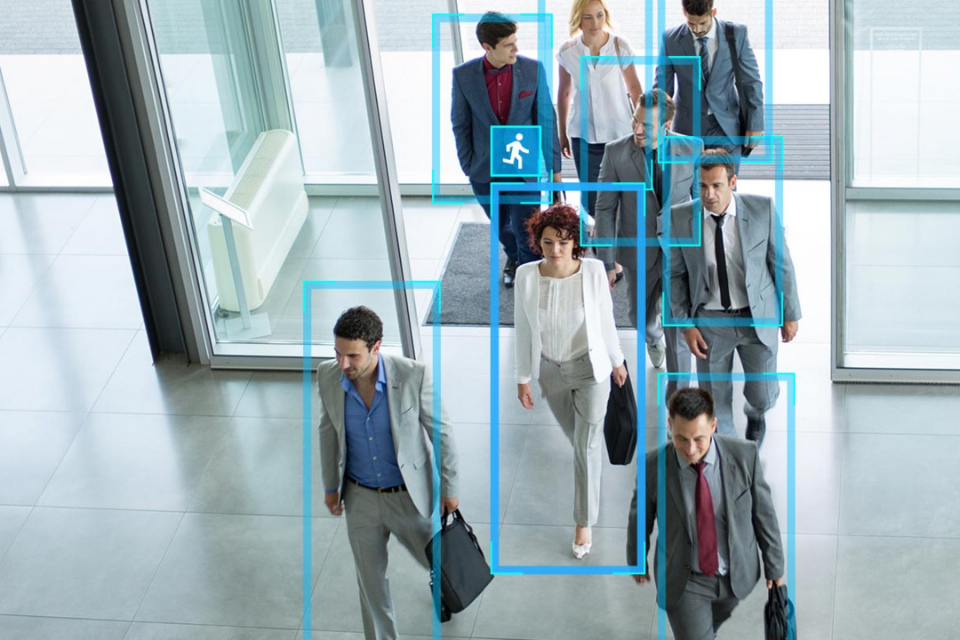
Object detection and tracking are fundamental features of video analytics, enabling the automated identification of individuals, vehicles, and other elements within a scene. Using comparisons against established databases, monitoring systems can determine if a detected object is familiar or out of place. For example, if a vehicle crosses a restricted area, the system can send an immediate alert to security personnel. This capability not only enhances security but also contributes to operational efficiencies, such as customer flow analysis in retail.
Behavioral Analysis and Reporting
Behavioral analysis extends the functionality of object detection by interpreting human actions. These analytics can recognize abnormal behavior patterns, such as loitering or aggressive interactions, prompting alert notifications for immediate investigation. Reporting tools linked with these systems provide a comprehensive overview of events, helping security teams identify trends over time. Insights gained from such analytics can inform resources allocation or operational changes aimed at enhancing safety or service quality.
Integration with Alerts and Notifications
Effective video analytics systems are designed to integrate with alerts and notifications seamlessly. Through customizable parameters, security teams can establish thresholds for events that prompt alerts, such as the detection of specific objects or activities occurring during unusual hours. This proactive approach minimizes the likelihood of overlooked incidents and empowers teams to act swiftly. Furthermore, centralizing multiple alerts through a unified dashboard streamlines response protocols and improves overall situational awareness.
Implementing Video Analytics for CCTV
Choosing the Right Technology
When selecting video analytics technology, organizations must consider several factors including scalability, compatibility with existing systems, and the specific analytics features offered. It's crucial to understand the intended use, whether it be for crime deterrence, operational enhancement, or customer insights, as this will guide the technology selection process. Evaluating user testimonials and seeking demonstrations can also aid in identifying the right solution tailored to organizational needs.
Setting Up the System
The setup process for a video analytics system is critical for ensuring optimal performance. Begin by conducting a site survey to assess areas requiring monitoring, which will inform camera placement and coverage. It is vital to select high-quality cameras capable of delivering clear imagery under various lighting conditions. Additionally, system configuration should be aligned with organizational objectives, be it security protocols, customer experience, or data analysis requirements.
Best Practices for Configuration
Establishing best practices during the configuration of video analytics systems will maximize effectiveness. Ensure that cameras are positioned to minimize blind spots and that coverage is comprehensive. Also, incorporating lighting enhancements can improve image quality significantly. Engage in ongoing calibration and testing of the analytics software to fine-tune detection parameters. Regular training sessions for personnel on using the system effectively will further ensure optimized operations and quick response times.
Case Studies: Successful Use of Video Analytics for CCTV
Retail Security Enhancements
In retail environments, video analytics can dramatically enhance security measures while optimizing operational effectiveness. For instance, one grocery chain implemented a facial recognition system to identify known shoplifters. The system sent immediate alerts when potential offenders entered the store, allowing staff to respond proactively. Additionally, the analytics provided insights into customer behavior, aiding in product placement and inventory management strategies, ultimately enhancing profit margins.
Public Safety Monitoring
Communities worldwide have adopted video analytics for public safety enhancements. A city utilized traffic management solutions powered by video analytics to monitor pedestrian flows and vehicle congestion. Through real-time data, public safety personnel could deploy resources more effectively during events or emergencies, leading to a marked decrease in response times and improved citizen safety. Moreover, the analytics cultivated insights for long-term urban planning initiatives, enhancing infrastructure and safety measures.
Traffic Management Solutions
Traffic management stands to benefit significantly from video analytics. Smart city implementations have integrated analytics to monitor vehicle flow, identifying patterns that lead to congestion and accidents. By analyzing data from various intersections, the city could optimize traffic signal timings, reducing bottlenecks and improving commute times for drivers. This approach not only enhances road safety but also fosters smarter resource allocation for traffic management agencies.
Future of Video Analytics for CCTV
AI and Machine Learning Integration
The future of video analytics is increasingly intertwined with AI and machine learning advancements. These technologies will empower systems to learn from historical data, improving accuracy in identifying suspicious behaviors and predicting potential threats. Furthermore, ongoing advancements in deep learning capabilities will allow for more nuanced video interpretation, enabling efficient dynamic adjustments to detection protocols that align with changing environments and circumstances.
Challenges and Opportunities
Despite the myriad of benefits associated with implementing video analytics, challenges such as data privacy concerns and the need for technical proficiency persist. Organizations must navigate regulatory considerations surrounding data collection and consent while ensuring that analytics technologies align with best practices. Conversely, these challenges present opportunities for firms to foster transparent policies and adaptive solutions, ultimately enhancing consumer trust and engagement.
Preparing for the Next Generation of Surveillance
As organizations implement video analytics, preparing for the future involves ongoing investments in technology and skill development. Education and training for staff on new capabilities within video analytics solutions will facilitate their effective use. The focus should also be on integrating future technologies, such as augmented reality or more sophisticated AI models, to support enhanced surveillance systems that evolve with the dynamic needs of security and business operations.
Frequently Asked Questions
What is video analytics in CCTV?
Video analytics for CCTV uses software to automatically process video footage, allowing for real-time detection and reporting of specific events or behaviors, enhancing security measures significantly.
How does video analytics improve security?
By automating the detection of unusual activities, video analytics allows security teams to respond more quickly to potential threats, leading to improved outcomes and increased efficiency in surveillance operations.
What features should I look for in video analytics software?
Key features include object detection, facial recognition, behavior analysis, alert notifications, and easy integration with existing surveillance systems to maximize efficiency and effectiveness.
Can video analytics be used in retail environments?
Yes, it's widely used in retail for theft prevention, understanding customer behavior, and optimizing product placement to enhance sales and improve overall security operations.
What are the future trends in video analytics?
Future trends include deeper integration of AI and machine learning to enhance accuracy, real-time data analytics for faster decision-making, and improvements in privacy policies surrounding data usage.