
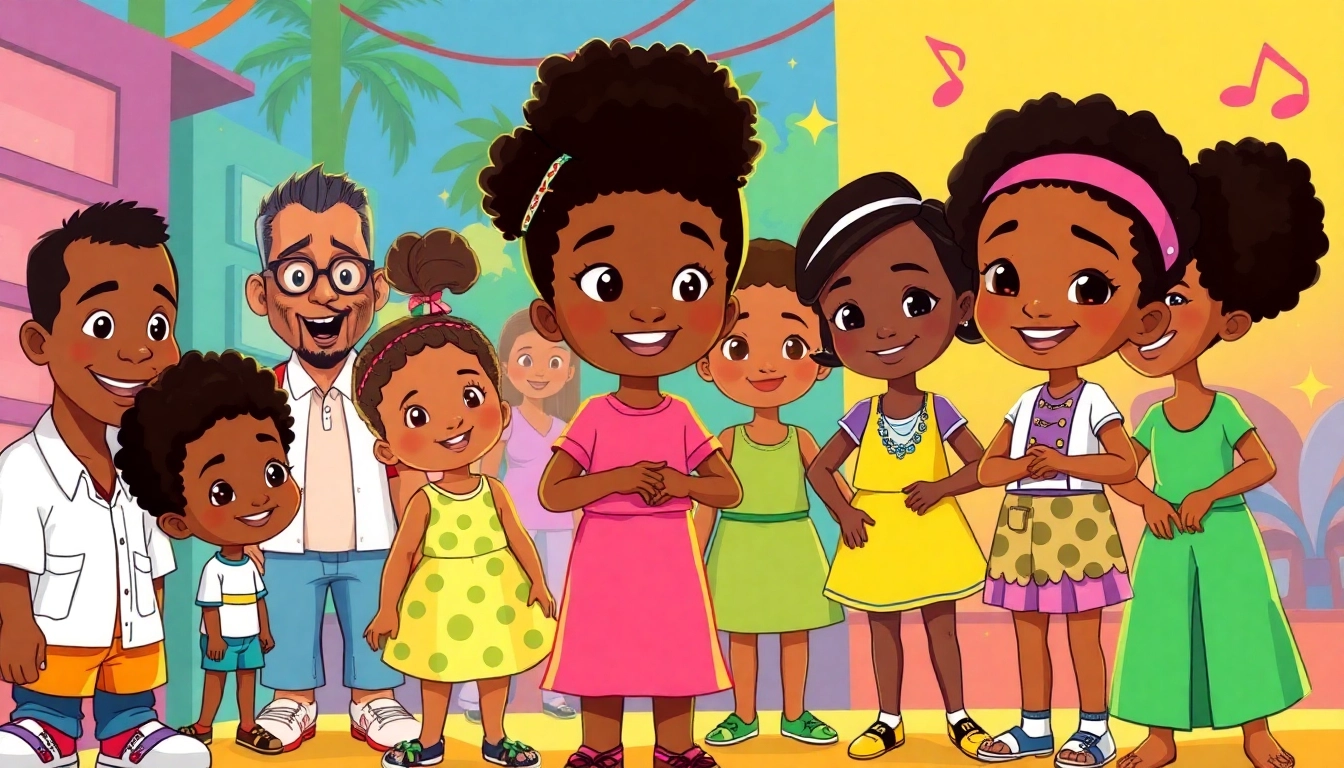
The Impact of African American Cartoons on Pop Culture
Over the last few decades, African American cartoons have had a profound impact on popular culture, shaping not only the entertainment landscape but also societal perceptions and conversations. This genre has been instrumental in promoting diversity and representation, allowing audiences to explore complex themes through the lens of animated storytelling. From groundbreaking series that challenge stereotypes to beloved characters who resonate with young viewers, African American cartoons have paved the way for a richer cultural dialogue. For those interested in learning more, exploring platforms like African American Cartoons can provide comprehensive insights into this vibrant genre.
Historical Context of African American Representation in Animation
The roots of African American representation in animation can be traced back to the early 20th century, although it was often marred by racial stereotypes. Characters in early cartoons frequently depicted negative caricatures, reinforcing harmful societal views. However, as the civil rights movement gained momentum in the 1960s, there was an urgent call for change, leading to the emergence of more nuanced and positive portrayals of African Americans in media. This historical context is crucial for understanding how far the industry has come and the ongoing challenges it faces.
Key Themes and Messages in African American Cartoons
Many African American cartoons convey themes of resilience, community, and cultural pride. Shows like "The Boondocks" and "The Proud Family" not only entertain but also provoke thought about social issues such as racism, identity, and family dynamics. These narratives often reflect the lived experiences of African Americans, providing audiences with relatable and authentic storytelling.
Influential Works that Shaped the Genre
- The Boondocks: This series, based on Aaron McGruder's comic strip, addresses racial stereotypes and issues of identity with sharp humor and critical analysis.
- The Proud Family: Celebrated for its portrayal of an African American family, this show was groundbreaking in representing black culture in a mainstream animated format.
- Afro Samurai: Combining elements of samurai culture with hip-hop influences, this series showcases African American artistry and narrative depth in the anime genre.
Notable African American Cartoons You Should Watch
Groundbreaking Series from the 90s to Today
The 1990s marked a crucial turning point for African American cartoons, introducing audiences to a variety of shows that blended entertainment with cultural commentary. "The Fresh Prince of Bel-Air," while not an animated series, influenced the genre as it paved the way for subsequent animated shows to explore similar themes. Other notable series include "Static Shock" and "The PJ's," which brought unique perspectives to animated storytelling.
Cult Favorites: Underrated Gems to Discover
While some animated series gain significant popularity, others remain underrated despite their impactful storytelling. Shows like "Class of 3000," featuring André 3000 from OutKast, and "The Legend of Tarzan," which included African American characters, deserve more recognition for their role in diversifying animation. Discovering these hidden gems can enhance one’s appreciation for the breadth of African American contributions to the animation landscape.
Family-Friendly Choices for Young Viewers
- Doc McStuffins: This heartwarming series follows a young girl who can heal toys, promoting themes of empathy and care.
- Motown Magic: Combining music and animation, this show introduces children to the vibrant legacy of Motown, fostering appreciation for cultural history.
- Hey Arnold!: Featuring an African American character in a predominantly diverse cast, this series tackles various social issues in a kid-friendly manner.
The Evolution and Future of African American Cartoons
Trends in Storytelling and Animation Techniques
As technology evolves, so too does the approach to storytelling and animation in African American cartoons. Contemporary series now utilize advanced animation techniques and diverse storytelling methods to engage audiences. Shows like "Craig of the Creek" exemplify this shift, providing relatable characters and narratives that resonate with children and adults alike.
Emerging Voices: New Creators Changing the Landscape
The animation industry is witnessing a surge of new creators who bring fresh perspectives to African American storytelling. These emerging voices are not only challenging traditional narratives but also expanding the definition of what African American cartoons can be. By leveraging platforms like YouTube and independent studios, these creators are reshaping the landscape for future generations.
What to Expect in the Coming Years (2026 and Beyond)
The future of African American cartoons looks promising, with an increase in funding and support for diverse projects. The trend of incorporating social justice themes and cultural narratives suggests that audiences can expect more engaging content that reflects the complexities of today’s society. As streaming services continue to prioritize diverse storytelling, viewers will likely see more animated series that challenge stereotypes and celebrate African American culture.
The Educational Value of African American Cartoons
Lessons Learned from Classic Characters
Classic African American cartoons often impart valuable life lessons through their narratives and characters. From the importance of family and community to the significance of standing up against injustice, these stories resonate with audiences and instill important values in young viewers. Characters like Huey and Riley Freeman from "The Boondocks" serve as examples of critical thinking and social awareness.
Promoting Cultural Awareness and Understanding
Cartoons have the unique ability to introduce children to diverse cultures and perspectives. By integrating African American narratives, viewers can develop a deeper understanding of different experiences, fostering empathy and cultural appreciation. Shows that celebrate heritage while addressing relevant social issues contribute to a more inclusive society.
Integrating Cartoons into Educational Curricula
Many educators are recognizing the potential of African American cartoons as educational tools. By incorporating these animations into lesson plans, teachers can engage students in meaningful discussions about culture, history, and social issues. Utilizing animated content can create an interactive learning environment that appeals to diverse learning styles.
How to Find and Support African American Content Creators
Streaming Platforms Offering Diverse Content
To explore the vast array of African American cartoons, viewers can turn to various streaming platforms that prioritize diverse content. Services such as Netflix, Hulu, and Disney+ offer a wealth of animated series and films featuring African American characters and stories, making it easier for audiences to discover and enjoy these works.
Engaging with the Community: How to Get Involved
Supporting African American content creators goes beyond viewership. Engaging with the community through social media platforms, attending events, and promoting their work can significantly impact their visibility and success. By amplifying voices within the animation industry, fans can contribute to a more inclusive and representative landscape.
Supporting Independent Creators and Animators
Independent African American creators often face challenges in gaining recognition. Supporting their work through crowdfunding platforms, purchasing merchandise, or sharing their content can help sustain their projects. By investing in independent animations, fans can encourage innovation and diversity in the genre.