Stress and Anxiety are two of the most common emotional challenges people face today. Students feel pressure from exams, adults worry about work and finances, and families manage responsibilities that never seem to end. While these feelings are a normal part of life, ongoing stress and anxiety can affect mental health, physical well-being, and daily functioning if not understood and managed properly. At Calm Minds Hub, we believe that learning about emotional health should be simple, evidence-based, and compassionate. This article explains Stress and Anxiety in clear language and provides practical coping tools that truly help in everyday life.
Understanding Stress and Anxiety in Simple Terms
Stress and Anxiety are often used together, but they are not exactly the same. Understanding the difference helps people respond in healthier ways.
Stress is the body’s reaction to a challenge or demand. It usually has a clear cause, such as an upcoming exam, a deadline, or a conflict. Anxiety, on the other hand, is more about ongoing worry or fear, even when there is no immediate threat. Stress often fades when the situation improves, while anxiety can linger and feel harder to control.
A helpful way to think about Stress and Anxiety is to imagine a smoke alarm. Stress is like the alarm going off when there is real smoke. Anxiety is when the alarm keeps ringing even though the smoke is gone. Both are meant to protect us, but when they are too loud or constant, they become overwhelming.
Why Stress and Anxiety Exist
Stress and Anxiety are not weaknesses. They are part of the human survival system. Long ago, stress helped people react quickly to danger, such as escaping a wild animal. Today, the threats are different, but the body still reacts in the same way.
When Stress and Anxiety appear, the brain sends signals that release stress hormones like adrenaline and cortisol. This prepares the body to act by increasing heart rate, sharpening focus, and tightening muscles. In short bursts, this response can be helpful. Problems arise when the body stays in this mode for too long.
Common Causes of Stress and Anxiety
Stress and Anxiety can come from many areas of life. Sometimes the causes are clear, and sometimes they build up slowly over time.
Common causes include:
- Academic pressure, exams, and performance expectations
- Workload, job insecurity, or workplace conflict
- Financial worries and economic uncertainty
- Relationship challenges with family or friends
- Health concerns or chronic illness
- Major life changes such as moving, divorce, or loss
- Constant exposure to negative news or social media comparison
For example, a high school student may feel Stress and Anxiety before exams. At first, this stress can motivate studying. But if the fear of failure becomes constant, it can turn into anxiety that disrupts sleep and concentration.
Signs and Symptoms of Stress and Anxiety
Stress and Anxiety affect people in different ways. Some signs are emotional, while others are physical or behavioral.
Emotional Symptoms
- Constant worry or fear
- Feeling overwhelmed or out of control
- Irritability or mood swings
- Difficulty relaxing or feeling calm
Physical Symptoms
- Headaches or muscle tension
- Stomach pain or nausea
- Fast heartbeat or shortness of breath
- Fatigue even after rest
Behavioral Symptoms
- Avoiding responsibilities or social situations
- Trouble sleeping or changes in appetite
- Procrastination or difficulty focusing
- Overuse of phones, gaming, or substances to escape feelings
Recognizing these signs early can prevent Stress and Anxiety from becoming more severe.
How Stress and Anxiety Affect Daily Life
When Stress and Anxiety are constant, they can affect almost every area of life. Learning becomes harder because focus and memory suffer. Relationships may become strained due to irritability or withdrawal. Physical health can also decline, as chronic stress weakens the immune system and increases the risk of headaches, heart issues, and digestive problems.
Imagine carrying a heavy backpack all day. At first, it feels manageable, but over time it becomes exhausting. This is similar to living with unmanaged Stress and Anxiety. The weight builds until even small tasks feel overwhelming.
The Difference Between Normal Anxiety and Anxiety Disorders
Feeling anxious before a test or presentation is normal. It becomes a concern when anxiety is intense, long-lasting, and interferes with daily life.
Anxiety disorders may include:
- Generalized anxiety, marked by constant worry about many things
- Panic attacks, which involve sudden intense fear and physical symptoms
- Social anxiety, where fear of judgment limits social interactions
- Phobias, involving extreme fear of specific situations or objects
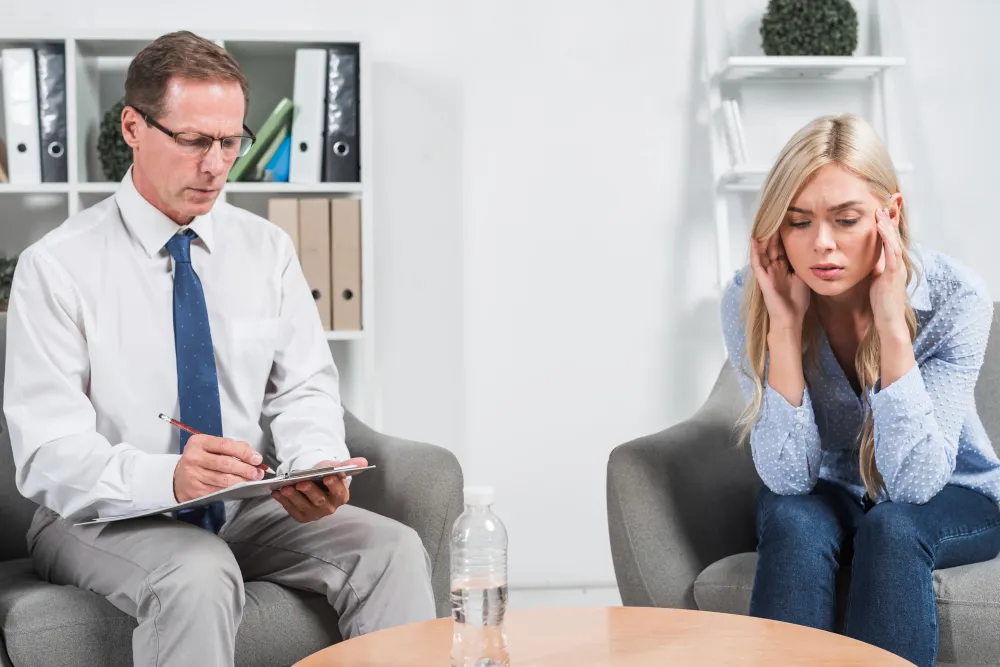
If Stress and Anxiety feel unmanageable despite self-help efforts, professional support can make a significant difference.
Evidence-Based Coping Tools That Help
Managing Stress and Anxiety does not mean eliminating them completely. The goal is to reduce their intensity and improve the ability to cope. The following tools are supported by research and are easy to practice.
Breathing Techniques to Calm the Nervous System
Slow, deep breathing sends a signal to the brain that it is safe to relax. One effective method is the 4-6 breathing technique.
- Inhale through the nose for four seconds
- Exhale slowly through the mouth for six seconds
- Repeat for two to five minutes
This technique helps lower heart rate and reduce physical symptoms of Stress and Anxiety.
Mindfulness and Present-Moment Awareness
Mindfulness means paying attention to the present moment without judgment. It helps reduce overthinking and worry about the future.
Simple mindfulness practices include:
- Focusing on the feeling of your feet on the ground
- Noticing five things you can see, four you can feel, three you can hear
- Eating slowly and paying attention to taste and texture
These practices train the mind to step out of constant worry loops.
Healthy Thinking Patterns
Stress and Anxiety often grow from unhelpful thought patterns. Learning to question these thoughts can reduce emotional distress.
For example, instead of thinking, “I will fail and ruin everything,” a healthier thought might be, “I am nervous, but I can prepare and do my best.” This shift does not ignore challenges but makes them feel more manageable.
Physical Activity as a Stress Release
Movement is one of the most effective ways to reduce Stress and Anxiety. Exercise releases endorphins, which are natural mood boosters.
Helpful activities include:
- Walking or jogging
- Yoga or stretching
- Team sports or dancing
Even ten to twenty minutes of movement can significantly improve mood and focus.
Sleep and Daily Routines
Poor sleep can increase Stress and Anxiety, creating a cycle that is hard to break. Maintaining a regular sleep schedule helps regulate emotions.
Good sleep habits include:
- Going to bed and waking up at the same time
- Limiting screen time before sleep
- Creating a calm bedtime routine
Consistency helps the body feel safe and balanced.
Social Support and Connection
Talking to someone you trust can reduce feelings of isolation. Sharing worries often makes them feel lighter and more manageable.
Support can come from:
- Friends or family members
- Teachers or mentors
- Counselors or mental health professionals
Connection reminds people that they are not alone in their struggles.
Real-Life Example of Coping with Stress and Anxiety
Consider a young adult starting a new job. At first, Stress and Anxiety show up as worry about making mistakes and fitting in. By practicing deep breathing before work, challenging negative thoughts, and talking openly with a trusted friend, the anxiety gradually decreases. The job becomes less overwhelming, and confidence grows. This example shows that coping tools work best when practiced consistently over time.
When to Seek Professional Help
Self-help strategies are powerful, but they are not always enough. It may be time to seek professional support if Stress and Anxiety:
- Last for several months without improvement
- Interfere with school, work, or relationships
- Cause panic attacks or intense fear
- Lead to avoidance of daily activities
Mental health professionals provide evidence-based treatments such as cognitive behavioral therapy and, when appropriate, medication.
Building Long-Term Emotional Resilience
Managing Stress and Anxiety is not just about short-term relief. Long-term resilience comes from healthy habits, self-awareness, and self-compassion. Learning emotional skills early builds confidence and stability for the future.
At Calm Minds Hub, we encourage small, consistent steps rather than perfection. Progress happens gradually, and every effort counts.
Conclusion
Stress and Anxiety are common experiences, but they do not have to control life. By understanding what they are, recognizing their signs, and practicing proven coping tools, individuals can regain balance and confidence. Stress and Anxiety become more manageable when approached with knowledge, patience, and kindness. Calm Minds Hub exists to support this journey by offering clear, evidence-based guidance that empowers people to care for their mental and emotional health with confidence and hope. Return to our main site to explore curated content just for you.
FAQs
What is the main difference between stress and anxiety?
Stress usually has a clear cause and fades when the situation improves, while anxiety involves ongoing worry that can continue even without an immediate threat.
Can Stress and Anxiety be managed without medication?
Yes, many people manage Stress and Anxiety through coping tools such as breathing exercises, mindfulness, healthy thinking, physical activity, and professional therapy when needed.
How long does it take to feel better when using coping tools?
Improvement varies, but many people notice small changes within a few weeks of consistent practice. Long-term improvement comes from regular use and healthy routines.