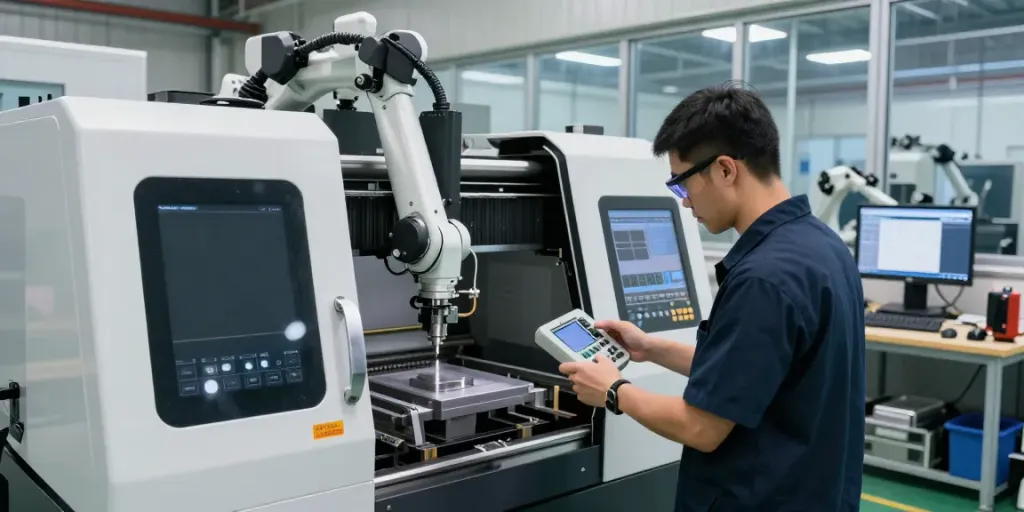
Understanding Productivity Tools in Manufacturing
In today's competitive manufacturing landscape, embracing efficiency is not just an option; it’s a necessity. As the industry evolves, manufacturers are increasingly turning to productivity tools that streamline operations and improve output. These tools range from software solutions for project management to advanced machinery that automates various processes. The right productivity tools can significantly reduce lead times, enhance product quality, and ensure that all equipment operates at peak performance.
What Are Productivity Tools?
Productivity tools in manufacturing encompass a wide array of applications and devices designed to optimize resources, increase efficiency, and improve overall productivity. These tools can be classified into several categories:
- Software Solutions: Applications that help manage tasks, track progress, and automate administrative functions.
- Equipment & Machinery: Advanced CNC machines, robotics, and tooling that enhance manufacturing capabilities.
- Data Analytics: Tools that analyze operational data to provide actionable insights for decision-making.
Understanding how each of these categories contributes to productivity is essential for any manufacturing operation looking to optimize its processes.
The Importance of Productivity Tools in CNC Operations
CNC (Computer Numerical Control) operations are highly reliant on precision and accuracy. Implementing productivity tools specific to CNC can lead to significant improvements. These tools not only streamline the workflow but also enhance the accuracy of machine operations. For instance, utilizing advanced software for scheduling and machine diagnostics allows manufacturers to predict maintenance needs, reducing downtime and ensuring continuous production.
Moreover, productivity tools facilitate better communication among teams. By integrating collaborative software, teams can share information quickly, aligning efforts across various departments. This alignment is crucial for maintaining a smooth production flow and adapting to changes swiftly.
Types of Tools Enhancing Manufacturing Efficiency
There are several types of productivity tools that manufacturers can leverage to enhance their operations. Some of the most effective tools include:
- Project Management Software: Programs like Asana or Trello help teams manage tasks, timelines, and workloads efficiently.
- Automation Systems: Robotics and automation tools that handle repetitive tasks, allowing human workers to focus on higher-value activities.
- Inventory Management Tools: Solutions that help track inventory levels, orders, sales, and deliveries, reducing waste and ensuring materials are available when needed.
- Quality Control Software: Tools that monitor production quality and handle deviations in real-time, ensuring that final products meet stringent quality standards.
- Predictive Maintenance Tools: Technologies that use data analytics to predict when machinery needs maintenance, thereby minimizing unexpected failures.
Common Challenges in Implementing Productivity Tools
Despite the clear benefits, many manufacturers face challenges when implementing productivity tools. It is essential to recognize these obstacles to develop effective strategies for overcoming them.
Identifying Bottlenecks in Operations
One of the significant challenges in adopting productivity tools is accurately identifying bottlenecks within operations. Bottlenecks can arise from various sources, including inefficient processes, equipment limitations, or inadequate workforce training. To address these issues, manufacturers must conduct thorough audits of their processes and workflows to pinpoint trouble areas. Once identified, targeted productivity tools can be deployed to mitigate these bottlenecks.
Resistance to Change in Manufacturing Cultures
Cultural resistance is another common hurdle in the adoption of new productivity tools. Many employees may be accustomed to traditional methods, leading to reluctance to embrace change. To combat this, manufacturers should foster a culture of continuous improvement by involving employees in decision-making processes regarding tool adoption. Providing training and demonstrating the benefits of new tools can help ease concerns and promote a more agile mindset among staff.
Choosing the Right Tools for Your Business Needs
With a plethora of productivity tools available, selecting the right ones tailored to specific business needs can be daunting. Manufacturers must carefully evaluate their operational workflows and identify which tools align with their objectives. Often, engaging with multiple suppliers to understand the capabilities and limitations of various tools can provide valuable insights that guide the selection process.
Best Practices for Using Productivity Tools Effectively
Once productivity tools have been implemented, ensuring their effective use is paramount. Here are some best practices for maximizing the value derived from these tools:
Integrating Tools into Daily Operations
To fully benefit from productivity tools, it's crucial to integrate them seamlessly into daily operations. This means incorporating the tools into existing workflows rather than treating them as add-ons. Training staff on how to use these tools effectively and providing ongoing support can help ensure that the tools are utilized to their full potential.
Training Staff for Optimal Use of Productivity Tools
Training is vital to ensure that employees are well-equipped to leverage productivity tools effectively. Manufacturers should invest in comprehensive training programs that cover both the technical aspects of the tools and their strategic applications within the business context. Regular workshops and refresher courses can help maintain engagement and ensure that knowledge is kept up-to-date.
Monitoring and Adjusting Tool Performance
After implementation, it is essential to continuously monitor the performance of productivity tools. Establishing key performance indicators (KPIs) can help in evaluating how well the tools are performing. Based on these metrics, manufacturers may need to adjust their tool usage or explore additional functionalities to maximize benefits.
Real-World Examples of Successful Tool Implementation
Demonstrating the effectiveness of productivity tools through real-world examples can be a compelling argument for their adoption. Here are some success stories from the manufacturing sector.
Case Study: Increased Uptime with Preventive Maintenance
A leading CNC machining facility implemented predictive maintenance tools that enabled them to anticipate equipment failures before they occurred. This implementation resulted in a dramatic increase in uptime, reducing unplanned maintenance costs by 30%. By employing these tools, they could schedule maintenance activities during lower production times, thus not compromising their output.
Automation Success: Improving Speed and Precision
Another manufacturing company adopted robotic automation for assembly tasks, significantly improving speed and precision. By reallocating human labor to more complex tasks while robots handled repetitive assembly, the company saw a 25% increase in production efficiency. This shift not only enhanced output but also improved employee satisfaction by allowing for more engaging work.
Customer Testimonials on Adaptation and Growth
Customer feedback is invaluable in assessing the impact of productivity tools. Many clients reported not only growth in terms of revenue but also improvements in employee morale and customer satisfaction. One company noted that after implementing a new ERP (Enterprise Resource Planning) system, they could track orders more efficiently, leading to improved delivery times and customer feedback scores.
Future Trends in Manufacturing Productivity Tools for 2026
As we look ahead, several trends are emerging that will shape the landscape of productivity tools in manufacturing. Understanding these trends can help manufacturers remain competitive and prepare for the future.
Emerging Technologies Shaping the Industry
Technologies such as artificial intelligence (AI), Internet of Things (IoT), and machine learning are becoming integral to manufacturing productivity. AI-driven analytics can provide deeper insights into operational performance, while IoT devices can offer real-time data collection and monitoring capabilities. Manufacturers that adopt these technologies will likely outperform their competitors in efficiency and productivity.
Predictions for Tool Innovations in Manufacturing
Looking towards 2026, we can expect innovations in productivity tools, such as enhanced automation capabilities through collaborative robots (cobots) that work alongside human operators. These innovations will be geared towards making manufacturing processes more flexible and responsive to market demands.
Maintaining Competitive Advantage through Adaptation
Manufacturers that focus on adaptability and continuous improvement will thrive in an ever-changing landscape. Embracing new productivity tools, fostering a culture of innovation, and remaining open to technological advances will be crucial for maintaining a competitive edge.
What are the most effective productivity tools in manufacturing?
The most effective productivity tools vary by specific operational needs but typically include automation software, project management tools, and real-time data analytics systems. Each tool serves a distinct purpose that contributes to enhancing overall efficiency.
How can I choose the right productivity tools for my business?
Choosing the right tools involves evaluating your current workflows, identifying bottlenecks, and understanding the specific needs of your operations. Engaging with tool suppliers and conducting trials can aid in making informed decisions.
What challenges should I expect when implementing new tools?
Common challenges include resistance to change, integration issues, and the need for training. Addressing these challenges proactively will help ease the transition and enhance tool adoption.
How do I measure the effectiveness of productivity tools?
Measuring effectiveness can involve setting KPIs that track operational performance pre- and post-implementation. Regular reviews and adjustments based on these metrics will help in continuously improving tool utilization.
What are the future trends in manufacturing productivity tools?
Future trends include increased automation, the integration of AI and machine learning for predictive analytics, and the development of more user-friendly interfaces for productivity tools to enhance accessibility across all levels of staff.