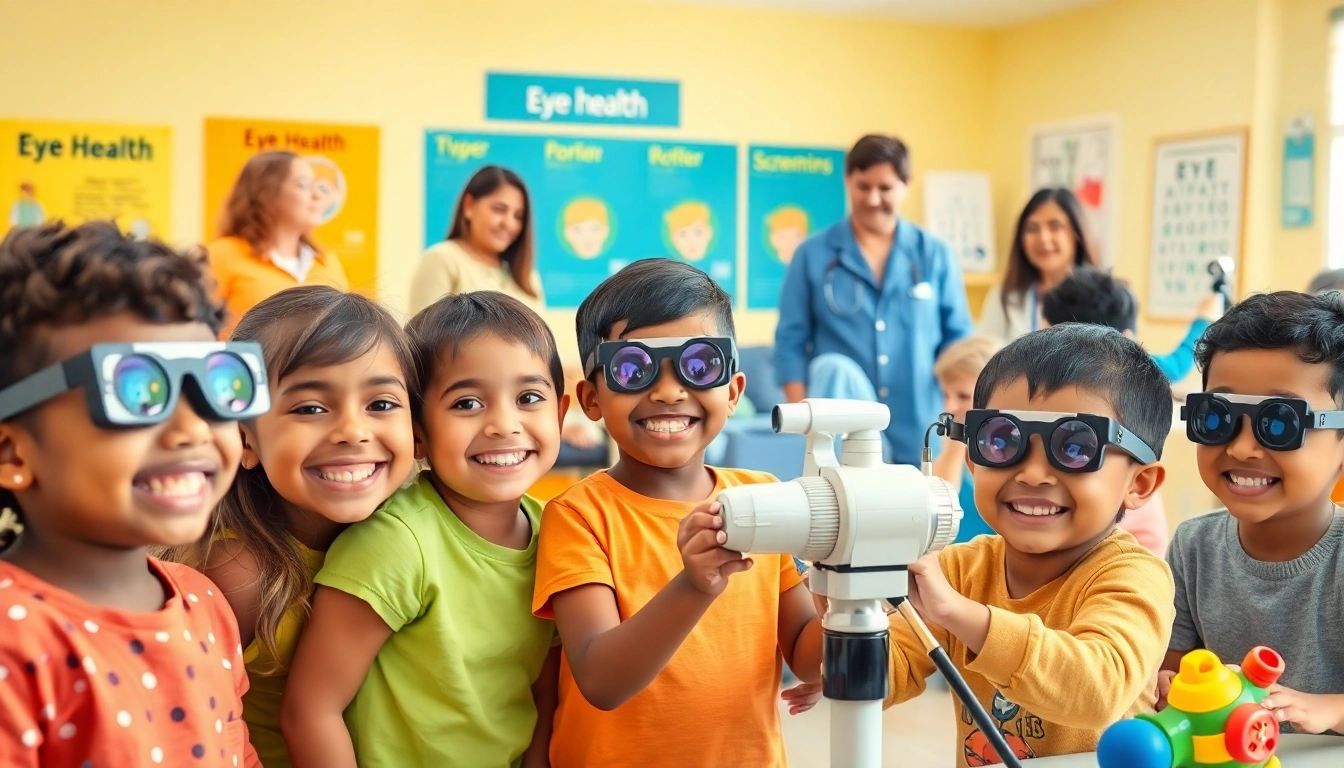
Understanding Our Children's Vision and Its Importance
The health and well-being of a child significantly depend on proper vision, which plays a vital role in their development, education, and overall quality of life. Yet, millions of children around the world suffer from vision impairments due to inadequate access to eye care services. This lack of attention to children's vision can lead to severe implications that can affect their learning and social interaction. Organizations are stepping up efforts towards addressing this pervasive issue, and one such initiative is Our Children's Vision, aimed at ensuring all children receive the eye care they need.
The Current State of Children's Eye Health
The prevalence of vision problems among children is alarmingly high. Studies indicate that around 1 in 4 children have an undiagnosed vision problem that could affect their academic and social success. Factors contributing to this issue include lack of resources, inadequate eye examinations, and the often-overlooked importance of eye health in educational settings. Furthermore, common vision disorders like myopia, hyperopia, and astigmatism remain under-identified in young populations. In various regions, over half of school-aged children may not receive recommended eye care services, creating a pressing need for awareness and intervention.
Key Factors Affecting Vision in Children
Several factors can affect the eye health of children, including genetics, environmental conditions, and lifestyle choices. Children who have parents with vision problems are at a higher risk of developing similar ailments. Prolonged screen time and exposure to digital devices also contribute to deteriorating eyesight among children in today’s technology-driven environment. Moreover, poor nutrition can critically influence eye health. A diet lacking in essential nutrients such as vitamins A and C, omega-3 fatty acids, and antioxidants can heighten the risk of vision issues, making proper nutrition an integral component of preventive eye care.
The Role of Preventive Eye Care
Routine eye examinations are crucial in identifying vision problems early on. Preventive eye care can mitigate the potential impact of undiagnosed conditions, enabling timely intervention and treatment. Educational programs aimed at raising awareness among parents and caregivers about the importance of regular eye checkups can pave the way for improved eye health. Schools can play a pivotal role by incorporating vision screenings into their health evaluations, ensuring that children receive necessary assessments without delay.
Common Vision Problems in Children
Identifying Common Vision Disorders
Among the various vision disorders prevalent in children, some of the most common include myopia (nearsightedness), hyperopia (farsightedness), and astigmatism. Each of these conditions can lead to difficulties in school and daily life if not addressed. Myopia often results in blurred distance vision, making it challenging for children to see the board clearly in classrooms. Hyperopia can cause difficulties with close-up tasks, such as reading, while astigmatism causes distorted vision at any distance, impacting overall visual clarity.
The Impact of Untreated Vision Issues
Failing to address vision issues in children can lead to significant challenges academically and socially. Studies have shown that untreated vision problems can result in lower school performance due to difficulty in reading and comprehending material. Moreover, children with uncorrected vision impairments often struggle with social interactions, leading to feelings of frustration, isolation, and reduced participation in activities with peers. Over time, these challenges can impact their self-esteem and emotional well-being, emphasizing the critical need for early detection and intervention.
Strategies for Early Detection
To combat the prevalence of untreated vision problems, it is essential to implement effective strategies for early detection. Parents should be encouraged to monitor their children's visual behaviors, looking for signs such as squinting, difficulty reading or focusing, or frequent headaches. Schools can collaborate with healthcare providers to offer regular vision screenings and educational workshops that promote eye health. By raising awareness and providing accessible programs, communities can create an environment where eye health is prioritized.
Effective Eye Care Practices
Routine Eye Exams and What to Expect
Routine eye exams should begin in early childhood, typically around the age of 6 months, and continue regularly as children grow. This process includes visual acuity tests, eye alignment assessments, and examinations of the visual pathway. Parents may wonder what to expect during an exam; professionals will evaluate how well a child sees at various distances, how their eyes work together, and will check for any signs of vision impairment or eye disease. Early intervention can substantially improve outcomes and quality of life for affected children.
Guidelines for Parents on Eye Health
Parents play a crucial role in ensuring their children's vision health. Some practical guidelines include encouraging regular eye checkups, promoting a balanced diet rich in vitamins beneficial for eye health, and limiting screen time to specific durations. Teaching children about good habits, such as taking breaks from digital screens and practicing the 20-20-20 rule (looking at something 20 feet away for 20 seconds every 20 minutes), can protect their eye health as they grow. Open communication with healthcare providers about any concerns will also ensure that children's vision is prioritized.
Resources for Educational Support
To further support children's vision health, various resources help parents and educators stay informed. Online platforms providing educational materials on vision health, as well as organizations offering support programs for vision screening and eye health awareness, can prove invaluable. Government health departments also offer resources and guidance through campaigns aimed at improving children's eye health, making it easier for parents and communities to remain proactive.
Community Initiatives Supporting Our Children's Vision
Overview of National Programs and Campaigns
Across the nation, several programs and campaigns focus on enhancing children's access to eye care. Initiatives such as school-based vision screenings, partnerships with local health organizations, and public awareness campaigns aim to ensure that every child benefits from timely and adequate eye care. These programs not only provide essential screenings and services but also educate families on the importance of eye health and preventive measures. By integrating vision care into broader public health campaigns, communities can enhance awareness and ultimately improve children's visual outcomes.
Collaborations with Health Organizations
Successful initiatives often result from collaboration among health providers, schools, and local organizations. When these entities unite for the common goal of promoting children's eye health, they create comprehensive resources for families. Collaborative efforts may include training school staff on visual health, bringing in eye care professionals for assessments, and providing educational materials to both parents and children. Such teamwork fosters a culture where children's vision is a community priority.
Inspiring Case Studies and Success Stories
Throughout various communities, there have been inspiring success stories highlighting the impact of effective eye care initiatives. In regions where school-based vision screenings became routine, reports of improved academic performance and enhanced participation in extracurricular activities surged. Families who had previously struggled to gain access to vision care services benefitted immensely from coordinated community efforts, illustrating the importance of collective action in addressing public health challenges.
How to Get Involved and Support Eye Health
Ways to Advocate for Children's Vision
Advocacy plays a vital role in ensuring that children's vision health remains a priority. Individuals can mobilize their communities by organizing informational sessions, fundraising events, or awareness campaigns. Encouraging local schools to implement routine vision screenings and inviting healthcare professionals to present educational workshops can foster community engagement. Sharing information through social media platforms also allows the community to stay informed about eye care initiatives and advocate for children's vision health.
Fundraising and Volunteer Opportunities
Supporting children's vision health can also be achieved through local fundraising and volunteering efforts. Many organizations focused on eye health rely on community support to finance services for children in need. Volunteers can assist with organizing fundraising events, helping with logistics, or providing promotional support. Fundraising activities could range from charity runs to bake sales, establishing a community culture of generosity dedicated to enhancing the vision health of local children.
Encouraging Local Community Engagement
Community engagement can drastically change the landscape of children's vision health by fostering awareness and support. Engaging with local businesses to sponsor vision health initiatives or offering free workshops can inspire collective action towards a common purpose. By bringing together caregivers, educators, and healthcare providers, communities can build coalitions focused on enhancing children's access to eye care resources. Collaboration can amplify voices and lead to meaningful change in improving children's visual outcomes.