Understanding Trade Show Booth Essentials
Defining the Trade Show Booth Concept
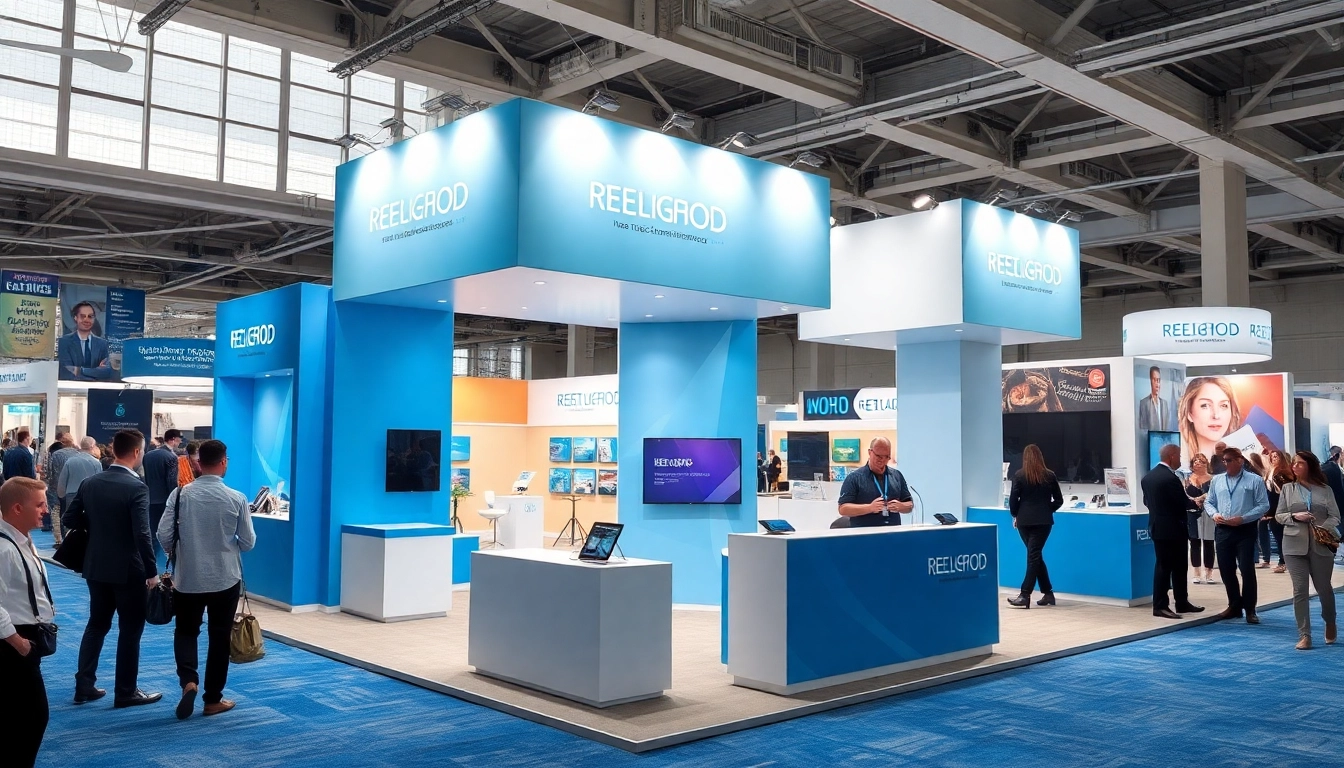
A trade show booth serves as a pivotal platform for businesses to showcase their products, services, and brand identity in a limited space during a trade exhibition. Essentially, it’s not just a physical structure; it embodies the company’s ethos and aims to create an immersive experience for visitors. The primary goals of a trade show booth include attracting attention, facilitating interaction, and generating leads. It is a condensed version of the marketing mix where visual design, functionality, and engagement converge to create a memorable presentation.
Key Components of Effective Booths
Every trade show booth incorporates several core components that contribute to its effectiveness:
- Design and Layout: The design should reflect the brand's identity and align with its aesthetic values. Effective layouts maximize space and enhance visitor flow.
- Graphics and Visuals: High-quality graphics are essential for catching the eye of potential leads. From banners to backdrops, every visual element should communicate the brand message clearly.
- Lighting: Proper lighting can make a significant difference in the overall appearance of a booth. It highlights products, enhances colors, and contributes to the atmosphere.
- Technology Integration: Incorporating digital screens, interactive kiosks, or augmented reality experiences can significantly enhance engagement with visitors.
- Merchandising Elements: Displaying products effectively can facilitate purchase decisions. Shelving, pedestals, and stand-alone displays should be strategically placed to maximize visibility.
Common Mistakes to Avoid
While crafting an effective trade show booth, there are common pitfalls to steer clear of:
- Poor Space Management: Overcrowding the booth with products reduces accessibility and visitor engagement.
- Neglecting Branding: Failure to present a cohesive brand message can confuse visitors. Everything from colors to messaging should harmonize with the brand's identity.
- Inadequate Preparation: Insufficient staff training or lack of product knowledge can hinder interaction and damage the brand's credibility.
- Ignoring Follow-Up: Neglecting to reach out to leads after the event means losing potential business opportunities.
Designing an Impactful Trade Show Booth
Choosing the Right Layout and Space
Designing an impactful trade show booth starts with understanding the space you have available. Efficient utilization of space can dramatically influence visitor traffic and interaction rates.
Choosing between different booth sizes, commonly 10x10, 10x20, or larger island configurations, should be based on your objectives. Here are several layout strategies to consider:
- Open Layouts: Ensure a welcoming environment by avoiding barriers that may deter foot traffic. Open layouts allow for easier movement and can be inviting.
- Defined Zones: Creating areas for specific activities like demonstrations, product displays, or consultations can aid in managing visitor flow and engagement.
- Interactive Spaces: Dedicate sections of your booth for interactive experiences like product trials or live demonstrations, encouraging deeper visitor involvement.
Graphics and Visuals for Attraction
The graphics and visuals used in a trade show booth play a crucial role in capturing attention. Research shows that 67% of visitors are attracted by visual clues. Here are key factors to consider:
- High-Quality Imagery: Use professional-grade images that are relevant to your brand and offerings. This establishes a level of credibility and professionalism.
- Focus on Key Messages: Limit the amount of text to essential information. Clear, concise messaging that communicates the brand’s value proposition is vital.
- Strategic Color Use: Colors evoke emotions and can influence decision-making. Use brand colors strategically to maintain consistency and recognition.
Integrating Technology for Engagement
Utilizing technology in a trade show booth not only enhances the booth's attractiveness but also encourages visitor interaction:
- Digital Displays: Consider electronic screens looping engaging videos or presentations that detail your offerings or illustrate customer testimonials.
- Interactive Elements: Virtual reality setups or touchscreen interfaces can significantly elevate the visitor experience, ensuring you stand out in the crowd.
- Social Media Integration: Encourage visitors to share their experiences by integrating social media into your booth design. This could include live feeds or hashtag campaigns showcasing visitor participation.
Strategic Planning for Trade Show Success
Setting Goals and Objectives
Before diving into preparations for your trade show booth, it's crucial to establish clear goals. These could range from increasing brand awareness and generating leads to launching a new product. Setting SMART (Specific, Measurable, Achievable, Relevant, Time-bound) objectives helps measure success:
- Specific: Define exact outcomes you want from the event, such as “collect 100 leads.”
- Measurable: Use metrics to track success, like the number of business cards collected or follow-up meetings scheduled.
- Achievable: Goals should be realistic and attainable based on available resources.
- Relevant: Ensure objectives align with overall business strategy and marketing plans.
- Time-bound: Establish a timeframe for achieving these goals, both during and after the event.
Identifying Target Audience
Understanding your target audience is another cornerstone of effective trade show booth design. Who are you trying to reach, and what are their characteristics? Engaging with the right audience ensures a more productive trade show experience:
- Demographic Insights: Analyze the demographics of attendees to tailor your messaging and design to their preferences.
- Pre-Event Research: Utilize online surveys or social media polls to understand what potential visitors are seeking from your brand.
- Building Buyer Personas: Develop detailed representations of your ideal customers to better align your booth strategy with their interests.
Pre-Event Marketing Strategies
To maximize visibility and attendance at your trade show booth, initiate pre-event marketing campaigns:
- Email Campaigns: Send targeted emails to existing contacts and leads to announce your participation and what visitors can expect at your booth.
- Social Media Promotions: Leverage social media platforms to create buzz around your booth, possibly introducing contests or giveaways to raise interest.
- Networking: Connect with industry peers and potential clients beforehand to arrange meet-ups at the booth, enhancing foot traffic.
Utilizing Interactive Elements in Your Trade Show Booth
Interactive Displays and Experiences
Interactive elements foster engagement by allowing visitors to experience your brand in a hands-on manner. Incorporating these features into a trade show booth can significantly increase dwell time and brand retention:
- Product Demonstrations: Live product demos catch attention and provide an opportunity for direct engagement, allowing you to field questions and collect immediate feedback.
- Touchscreen Kiosks: Engage visitors with interactive kiosks that provide information, allow for product browsing, or facilitate competitions.
- Virtual Engagements: Consider virtual reality setups to provide customers with immersive experiences of your product in a simulated environment.
Gamification Strategies to Engage Visitors
Gamifying your booth experience can effectively draw in visitors. Implementing games and contests boosts interaction while reinforcing your marketing message:
- Quizzes and Challenges: Contests or trivia related to your products can keep visitors entertained and engaged, driving more interaction.
- Incentive Programs: Offering prizes or discounts for participation can encourage visitors to engage more deeply with your booth.
- Leaderboard Displays: Showcasing real-time scores or participation numbers can instill a sense of competition among visitors.
Measuring Engagement and Feedback
Post-event analysis is critical for evaluating the success of your booth strategies. Measuring engagement and gathering feedback provides valuable insights for future events:
- Counting Interactions: Track how many visitors interacted with specific features such as kiosks or engagement areas.
- Feedback Collection: Use surveys or feedback forms to gauge visitor interest and satisfaction with your booth's offerings.
- Lead Tracking: Measure the number of leads generated, ensuring you distinguish between high-quality leads and general interest.
Post-Show Strategies and Follow-Up
Gathering Leads and Contact Information
Once the event concludes, the next step is capitalizing on the leads gathered at your trade show booth. Strategies to gather leads effectively include:
- Lead Capture Tools: Utilize digital lead capture tools to automate the process of collecting contacts and inquiries from interested visitors.
- Business Cards: Encourage visitors to leave their business cards for more personalized follow-up. Provide a bowl or grab bag for cards as they enter your booth.
- Contests and Giveaways: Hold a contest that requires visitors to provide contact information for entry. This serves dual purposes: collecting data while enticing potential leads.
Email Follow-Up Best Practices
Following up with leads after the event is crucial in converting interest into actionable insights. Consider the following practices for effective follow-up:
- Personalized Emails: Tailor your follow-up communication to the specific needs and interests expressed by attendees during their booth visit.
- Timeliness: Aim to follow up within a week post-event while the experience is still fresh in their minds for the best chances of response.
- Offer Value: Provide helpful resources, exclusive offers, or industry insights in your follow-up to reinforce your value proposition.
Evaluating Performance and Insights
A comprehensive evaluation of your trade show booth is essential to inform future strategies:
- Performance Metrics: Analyze your set goals against the outcomes. Did you meet your leads target? How many attendees interacted with various booth components?
- Feedback Analysis: Review collected feedback to identify strengths and areas for improvement in booth design and strategy.
- Return on Investment (ROI): Calculate costs against the tangible results gained, such as leads converted into sales, to measure overall effectiveness.