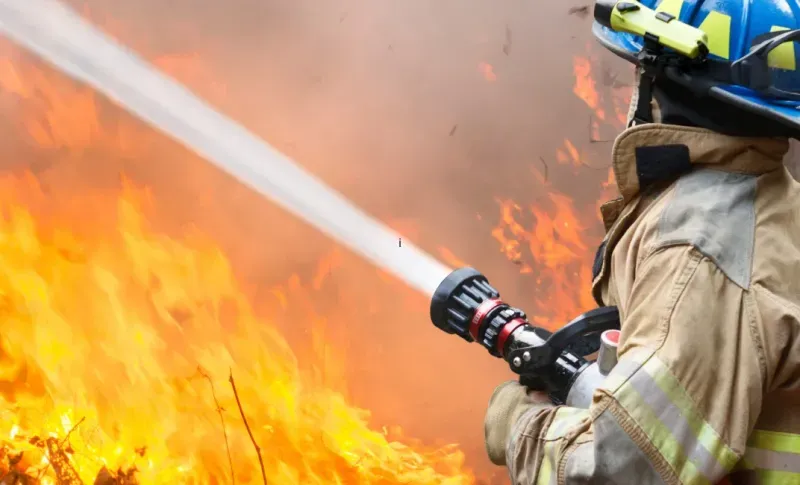
Understanding Fire Insurance Claims
Filing a Fire insurance claim can be a daunting process, especially after experiencing a traumatic event like a house fire. Understanding how the claims process works, what to expect, and how to navigate through it is vital for homeowners. In this article, we will break down essential aspects of fire insurance claims, including what they are, how to file them, common pitfalls, navigating claim denials, and tips for maximizing settlement amounts.
What is a Fire Insurance Claim?
A fire insurance claim occurs when a policyholder seeks compensation for damages or losses caused by a fire incident. Typically included in homeowners or renters insurance policies, fire insurance compensates for both the structure of the home and its contents. The goal is to restore the homeowner to their financial state prior to the loss.
Key Components of Fire Insurance Policies
Understanding the key components of a fire insurance policy is crucial for any homeowner. Here are the primary elements:
- Coverage Types: Policies generally include coverage for the structure, personal property, additional living expenses, and liability.
- Deductibles: This is the amount you are required to pay out-of-pocket before the insurance kicks in.
- Limits of Liability: This defines the maximum amount the insurance company will pay in the event of a claim.
- Exclusions: Knowing what is not covered is just as important as knowing what is covered.
Common Misconceptions
Many homeowners are misinformed about fire insurance claims. Here are some common misconceptions:
- All fire damage is covered: Many policies have exclusions, such as for negligence or specific types of appliances.
- Insurance companies are on your side: While they are obligated to act in good faith, their profitability often leads to claim denials.
- Filing a claim will always result in a payout: Filing a claim does not guarantee compensation, especially if you do not meet the policy guidelines.
Steps to File a Fire Insurance Claim
Initial Actions Post-Incident
Immediately following a fire, your priority should be safety. After ensuring that all individuals are safe, you can begin documenting the incident:
- Contact emergency services if the fire is still active.
- Assess any immediate danger to safety.
- Document the fire's impact—take pictures and write down details.
- Contact your insurance company to report the incident and initiate your claim.
Documenting Damage Effectively
Documentation serves as the backbone of your claim. Here’s how to do it effectively:
- Take photos of the damage from multiple angles, including close-ups.
- Make a detailed list of destroyed or damaged property, including estimates of the value.
- Keep receipts for any immediate repairs or living expenses incurred.
Engaging with Your Insurance Agent
Your insurance agent will explain your coverage and outline the claims process. Key actions during this phase include:
- Ask questions about your coverage and what documentation is needed.
- Get clarity on timelines for claim processing and how to submit additional forms.
- Request a list of authorized contractors, if applicable.
Understanding Claim Denials
Typical Reasons for Claim Rejections
Insurance claims can be denied for various reasons. Commonly cited reasons include:
- Incomplete documentation: Failing to provide all necessary paperwork can lead to rejection.
- Non-compliance with policy terms: Not adhering to your policy's specific requirements can result in a denial.
- Exclusions: Damage that falls under exclusions in the policy may not be compensable.
- Policy lapses: If the policy was not active at the time of the fire, the claim would not be valid.
How to Appeal a Denied Claim
If your claim is denied, don't lose hope. You have options for appeals:
- Request clarification from your insurer on why the claim was denied.
- Collect additional evidence to strengthen your case.
- Submit a formal appeal letter outlining your case and attach all supporting evidence.
Legal Rights and Considerations
As a policyholder, you have legal rights in the claims process. If disputes persist, consider:
- Consulting with an attorney specializing in insurance claims.
- Reviewing your policy for dispute resolution procedures.
- Filing complaints with state insurance regulators if necessary.
Maximizing Your Claim Settlement
Negotiating with Insurance Adjusters
Negotiation can significantly impact the outcome of your claim settlement. Here's how to approach it:
- Be prepared with all your documentation and repair estimates.
- Maintain clear and respectful communication with the adjuster.
- Don't accept the first offer; be willing to negotiate for a better settlement.
Importance of Accurate Valuation of Damages
Accurate valuation is crucial to ensure that you receive a fair payout. Consider these tips:
- Get multiple estimates from contractors for repair costs.
- Include the replacement cost for personal belongings; it may differ from the market value.
- Keep a detailed inventory of all items affected by the fire.
Seeking Professional Help
Sometimes, navigating the claims process requires expert help. Consider hiring:
- Public adjusters who work on your behalf to ensure fair compensation.
- Attorneys for legal representation if disputes arise.
- Estimators to provide professional valuations of damages.
Frequently Asked Questions
How does a fire insurance claim work?
A fire insurance claim process typically involves notifying your insurer, documenting damage, submitting a claim, and receiving a payout based on your coverage and damages.
Will insurance pay out for fire?
Yes, standard homeowners insurance policies generally cover accidental fire damage to your home and personal belongings, subject to your specific coverage limits.
What is the average payout for fire insurance?
The average payout for a fire insurance claim can range from $50,000 to $350,000, depending on factors like home value, extent of damage, and applicable coverage.
What is covered under the fire insurance policy?
Fire insurance typically covers damage to your home, other structures on your property, and personal belongings affected by fire and smoke. Review your policy for exact details.
How can I speed up the claims process?
To expedite your claim, document damages thoroughly, submit evidence promptly, maintain open communication with your insurer, and respond quickly to requests for information.