Understanding the Steel Fabrication Shop
What is a steel fabrication shop?
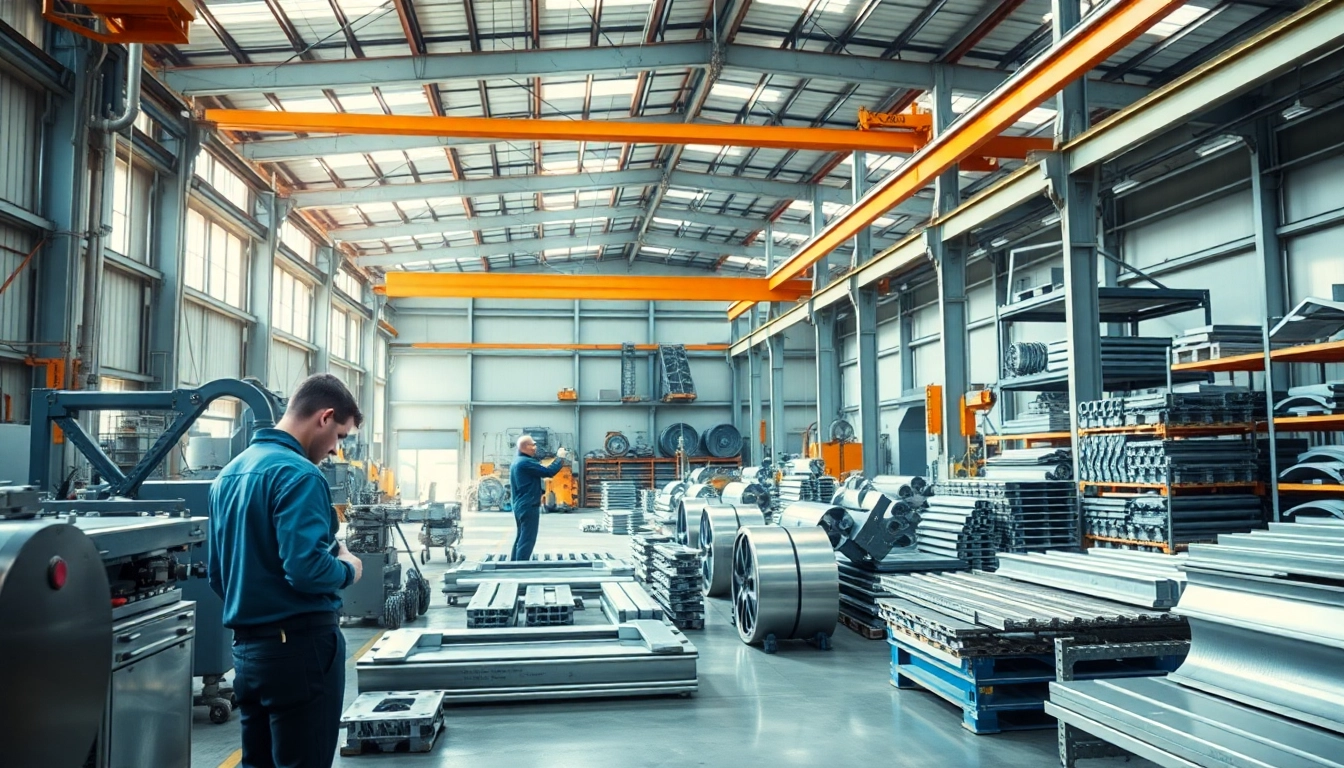
A steel fabrication shop is a specialized facility that fabricates metal structures through the process of cutting, bending, and assembling steel. The term 'fabrication' refers to the creation of products from raw materials. In these shops, various types of metals, primarily steel, are transformed into components that are essential in construction, manufacturing, and engineering projects.
Core functions of a steel fabrication shop
The core functions of a steel fabrication shop can be categorized as follows:
- Cutting: Utilizing saws, shears, or lasers to cut metal into precise sizes and shapes.
- Bending: Employing press brakes and other machines to bend metal into desired angles or curves.
- Welding: Joining metal pieces through various welding techniques to create stronger structures.
- Assembly: Fitting together various metallic parts to form a finished product, often involving the use of bolts or rivets.
The role of technology in steel fabrication
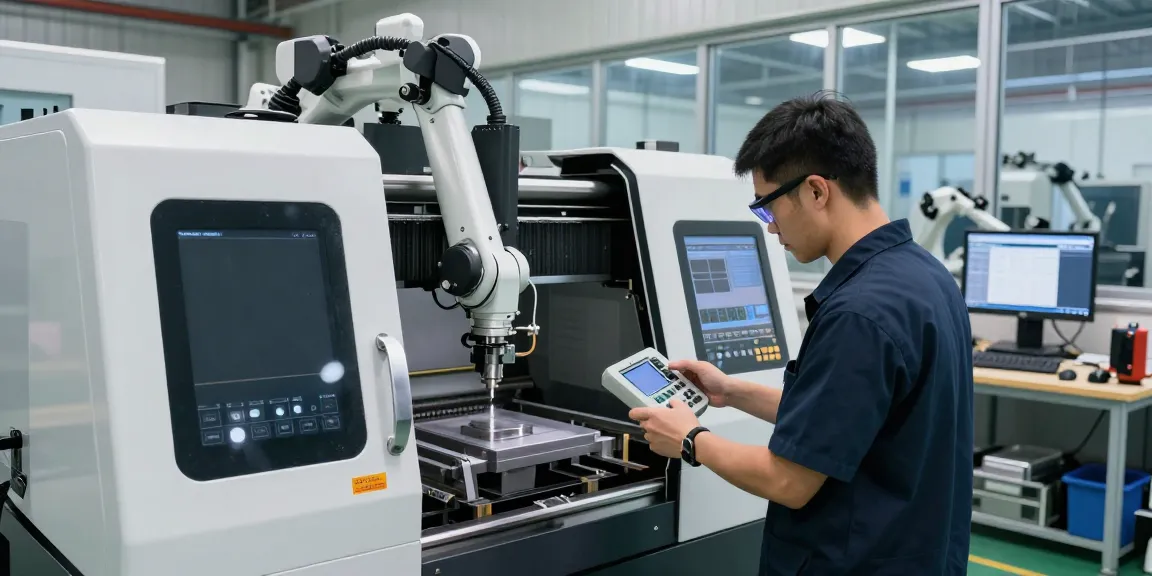
Technology plays a crucial role in modern steel fabrication shops. Advanced machinery equipped with computer numerical control (CNC) allows for precise measurements and enhanced production efficiency. Software programs assist in design, simulation, and project management, leading to reduced errors and shorter lead times. Moreover, innovations like 3D printing are beginning to influence the fabrication landscape, allowing for rapid prototyping and the manufacture of complex geometries.
Essential Tools and Equipment
Top machinery used in steel fabrication shop
Steel fabrication shops utilize a range of specialized machinery including:
- CNC Cutters: Used for precision cutting of materials.
- Press Brakes: For bending metal sheets accurately.
- Welding Machines: Such as MIG, TIG, and Stick welders for various welding techniques.
- Shears: Employed for cutting thicker sheets of metal quickly.
- Hydraulic Presses: Utilized for forming and stamping metal parts.
Safety precautions in using tools
Safety is paramount in a steel fabrication shop. The following precautions should be taken:
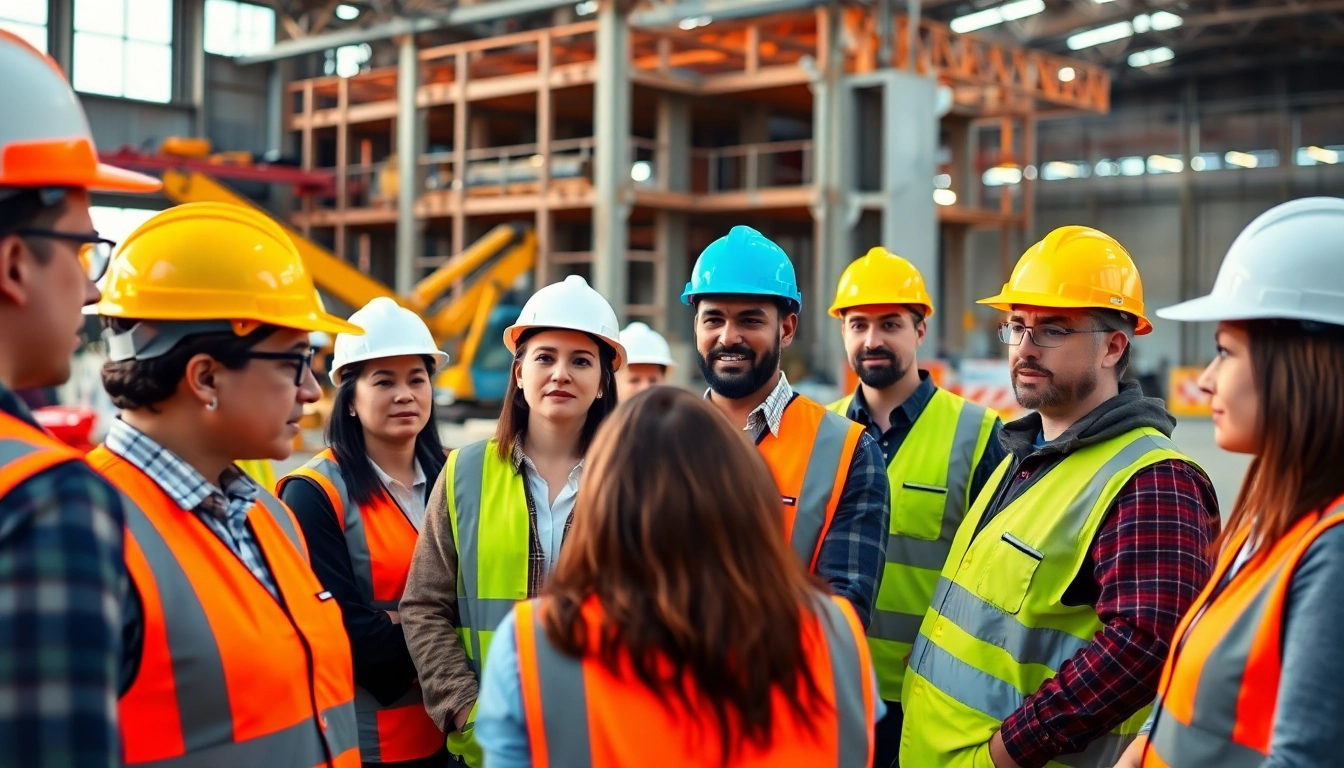
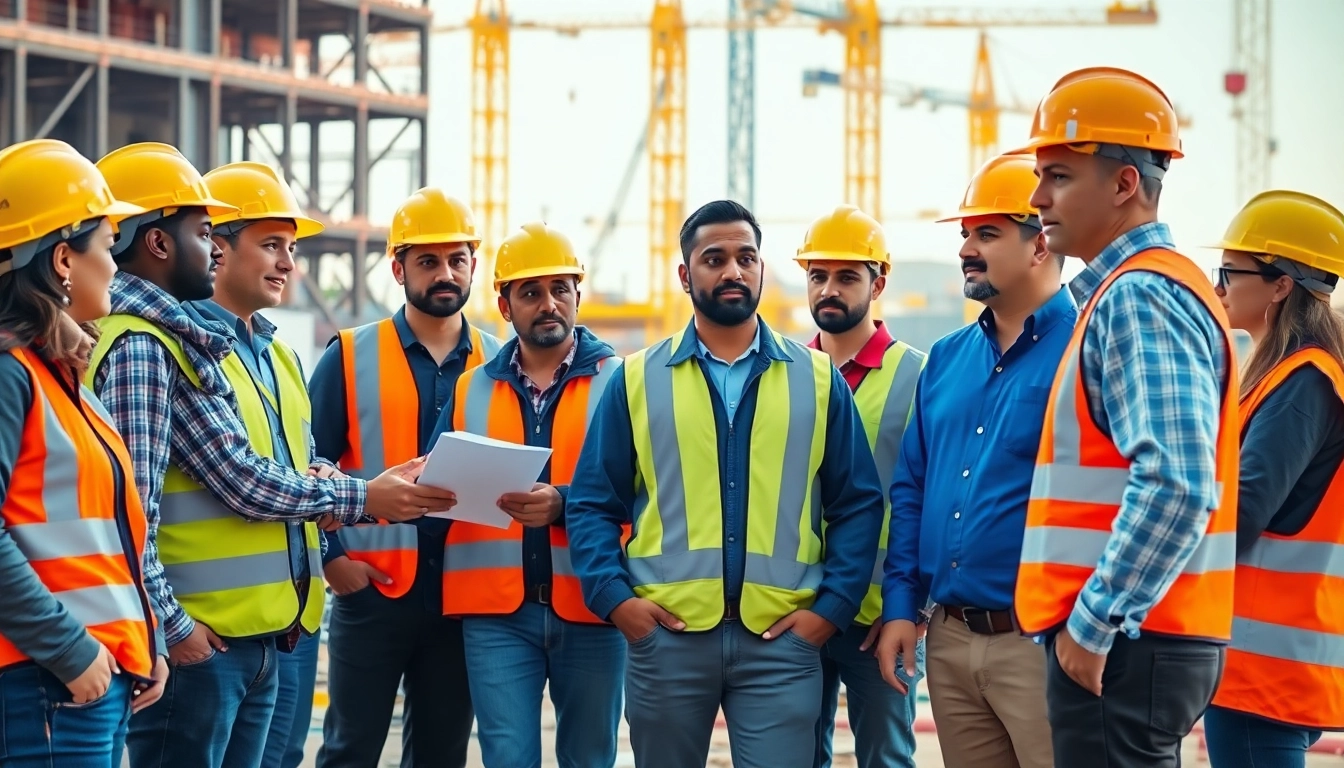
- Personal Protective Equipment (PPE): Always wear suitable PPE including gloves, helmets, protective eyewear, and steel-toed boots.
- Machine Guards: Ensure that all machines have guards in place to protect workers from moving parts.
- Fire Safety: Keep fire extinguishers accessible, and ensure all personnel are trained in their use.
- Training: Regular training sessions should be conducted to ensure all staff understand how to operate equipment safely.
Maintenance of equipment for optimal performance
Maintaining equipment in a steel fabrication shop is critical for operational efficiency. Regular maintenance involves:
- Routine Inspections: Carry out daily checks on machines to identify any wear and tear.
- Lubrication: Regularly lubricate moving parts to reduce friction and wear.
- Calibration: Regularly calibrate CNC machines to ensure accurate production.
- Repair Protocols: Establish a system for addressing minor issues before they lead to major failures.
Techniques for Effective Fabrication
Key techniques in steel fabrication shop
A variety of techniques are employed in effective steel fabrication, including:
- Laser Cutting: Provides high-precision cutting suitable for detailed designs.
- Waterjet Cutting: Useful for cutting thick materials without heat, preserving structural integrity.
- Plasma Cutting: Effective for cutting metals quickly, often at elevated temperatures.
Welding methods and their applications
Welding is a cornerstone of steel fabrication, and different methods are chosen based on the application:
- MIG Welding: Ideal for thin to medium steel and aluminum; offers high-speed welding processes.
- TIG Welding: Best suited for precision work, particularly with stainless steel and aluminum; provides high-quality welds.
- Stick Welding: Versatile, but more commonly used for outdoor work due to its resistance to wind and contamination.
Cutting processes in steel fabrication
Effective fabrication relies heavily on precise cutting methods. These include:
- Mechanical Cutting: Involves saws and shears for straight cuts.
- Thermal Cutting: Methods like plasma and oxy-fuel cutting, which use heat to melt steel away.
- Electric Discharge Machining (EDM): Useful for intricate designs in hard metals.
Quality Control and Assurance
Importance of quality control in fabrication
Quality control is vital in ensuring the reliability and durability of steel products. It helps detect defects early, saving on costs and maintaining customer satisfaction. High-quality outputs are crucial for adhering to safety standards and regulatory compliance within various industries.
Common standards in the steel industry
Steel fabrication shops often comply with various industry standards, including:
- ISO 9001: Quality management systems.
- ASTM: Provides standards for steel properties and test methods.
- AWS: American Welding Society standards for welding practices.
Inspection techniques for finished products
Inspection techniques vary but typically include:
- Visual Inspection: Ensures there's no visible defect in welds and finished products.
- Ultrasonic Testing (UT): Detects internal flaws in materials.
- X-ray Inspection: Often used for critical welds to assure quality and integrity.
Future Trends in Steel Fabrication
Innovation in materials and methods
The future of steel fabrication is seeing a shift towards innovative materials, including high-strength alloys and composites. This not only enhances durability but reduces weight, benefiting various applications like transportation and structural engineering.
Impact of automation on fabrication shops
Automation is rapidly transforming steel fabrication. Robotic arms are increasingly utilized for tasks such as welding and material handling, allowing for faster production rates and improved precision while reducing labor costs.
Environmental considerations in steel fabrication
With a growing focus on sustainability, steel fabrication shops are adopting practices that minimize waste and energy consumption. Recycling scrap metal and utilizing eco-friendly processes will likely become the norm to reduce the environmental footprint.
Frequently Asked Questions
What are the primary services offered by a steel fabrication shop?
Steel fabrication shops typically offer cutting, welding, machining, and assembly services for various steel products.
What materials can be processed in a steel fabrication shop?
A steel fabrication shop primarily works with carbon steel, stainless steel, aluminum, and other alloys for diverse projects.
How can I ensure quality in steel fabrication?
Quality assurance can be achieved by implementing rigorous testing, inspection, and adherence to industry standards throughout the fabrication process.
What is the role of technology in steel fabrication?
Technology enhances precision and efficiency in steel fabrication, with advanced machines and software solutions streamlining processes and designs.
Are there particular certifications needed for a steel fabrication shop?
Yes, several certifications may be required depending on local regulations and industry standards, ensuring compliance and quality assurance in operations.