Understanding the Basics of Sign Manufacturing
Sign manufacturing is a critical aspect of visual communication, essential for businesses seeking to enhance their brand visibility. Effective signage not only conveys information but also attracts customers and differentiates a business from its competitors. Understanding the fundamentals of sign manufacturing is invaluable for anyone looking to make a mark in this competitive industry.
History of Sign Manufacturing
The history of sign manufacturing traces back thousands of years, with evidence of ancient civilizations using rudimentary signs to indicate places of commerce and landmark features. From the stone-carved signs of the Roman Empire to the advent of illuminated signs during the industrial revolution, the evolution of signage reflects technological advancements and changes in communication techniques. The advent of digital technology has transformed the industry, leading to the development of electronic and LED signage, which offers dynamic content capabilities and greater visibility.
Types of Signage
Signage comes in various forms, each serving distinct purposes. Understanding these types can help sign manufacturers tailor solutions to client needs:
- Indoor Signs: Used for directional purposes, branding, and decorative aesthetics within establishments.
- Outdoor Signs: Designed to withstand weather elements and promote businesses externally, often seen as storefronts or billboards.
- Digital Signs: Utilizing LED or LCD technology, these signs can display dynamic messages and are ideal for businesses wanting to frequently change their advertising content.
- Vehicle Wraps: Custom graphics applied to vehicles to serve as mobile advertisements.
- Wayfinding Signs: Essential for directing visitors in complex spaces like hospitals, universities, or malls.
Key Materials Used in Sign Manufacturing
The choice of materials is crucial in the production of signage, affecting durability, aesthetics, and cost. Key materials include:
- Acrylic: Lightweight and durable, often used for decorative and illuminated signs.
- Aluminum: Corrosion-resistant, makes it ideal for outdoor signage due to its longevity.
- Wood: Offers a classic look, often used for boutique businesses seeking a rustic aesthetic.
- Vinyl: Widely used for graphics and vehicle wraps due to its versatility and color options.
- Steel: Employed in heavy-duty applications where strength and durability are necessary, such as highway signage.
The Sign Manufacturing Process Explained
Design and Concept Development
The first stage in the sign manufacturing process involves conceptualizing the design. This is an opportunity for collaboration with the client to capture their branding message visually. Key steps include brainstorming ideas, sketching concepts, and creating digital drafts using design software. Considerations such as color psychology, typography, and layout are crucial during this phase.
Production Techniques
The methods used for production vary based on the type of sign and materials involved. Common techniques include:
- Screen Printing: Used for creating vivid images on flat surfaces, particularly effective for bulk orders.
- Vinyl Cutting: Involves cutting designs from sheets of vinyl, ideal for lettering and graphics.
- Digital Printing: Allows for high-quality images and full-color graphics, suitable for both indoor and outdoor signage.
- Laser Cutting: Provides precise cuts and engravings, often used for intricate designs or shapes.
Quality Control Measures in Sign Manufacturing
Quality control is essential to ensure the final product meets both client expectations and industry standards. Key measures include material inspections, dimensional checks, and testing durability against environmental conditions. Implementing a quality control checklist during production can greatly minimize errors and ensure optimal results.
Essential Tools and Equipment in Sign Manufacturing
Must-Have Tools for Every Workshop
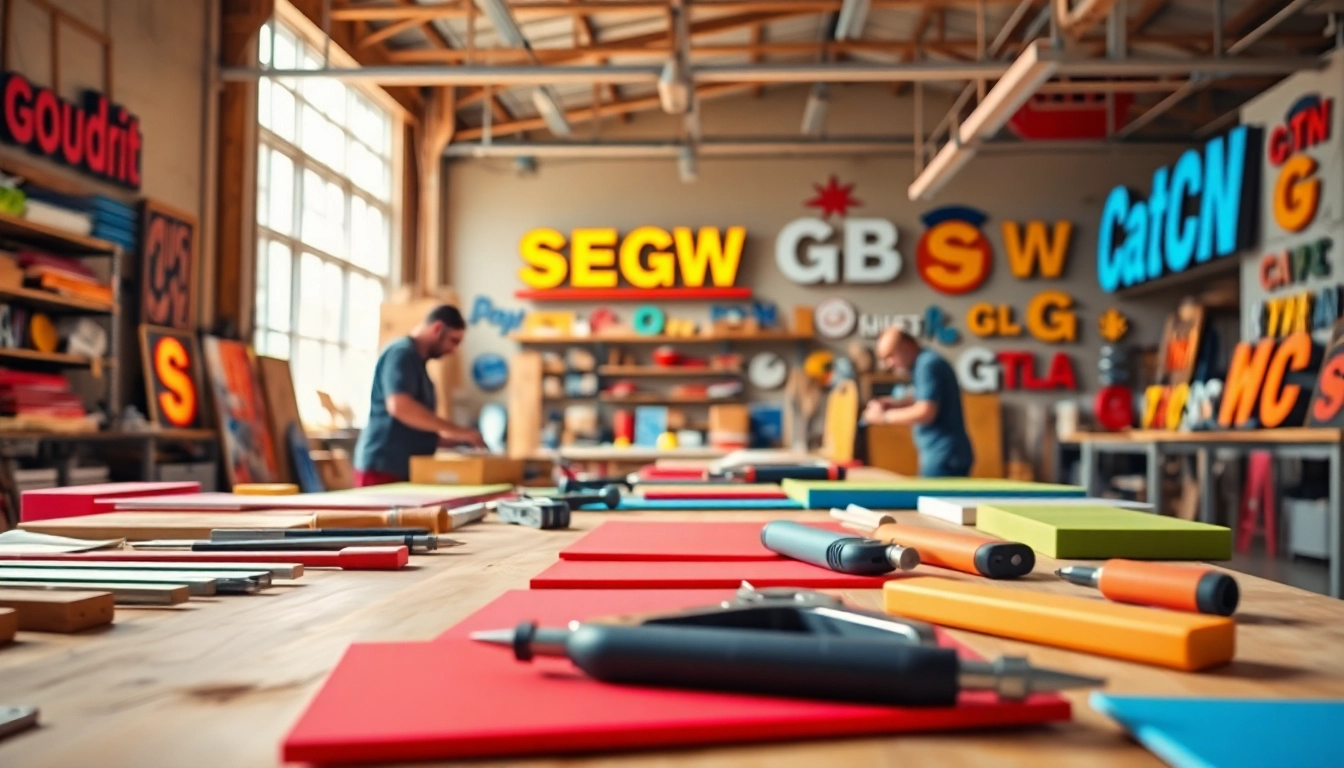
A well-equipped sign manufacturing workshop should contain essential tools that streamline the production process. These include cutting machines (e.g., CNC routers), printing equipment (e.g., UV printers), and graphical software for design. Having a wide range of tools allows manufacturers to tackle diverse projects and achieve higher efficiency.
Technology in Sign Manufacturing
The integration of technology has revolutionized sign manufacturing, enabling faster production processes and enhanced design capabilities. Software applications for 3D modeling and design assist manufacturers in visualizing their projects before production begins. Additionally, advancements in materials, such as eco-friendly inks and substrates, cater to environmentally conscious customers.
Maintenance of Tools and Equipment
Regular maintenance of tools and machinery is vital to ensure longevity and optimal performance. Scheduling routine inspections, cleaning, and servicing can prevent breakdowns and ensure consistent product quality. Employee training on handling equipment safely and effectively also contributes significantly to maintaining operational efficiency.
Enhancing Your Sign Manufacturing Business
Marketing Your Sign Manufacturing Services
Effective marketing is essential for attracting and retaining clients within the sign manufacturing industry. Strategies can include developing a user-friendly website, showcasing a portfolio of previous projects, and utilizing social media for outreach. Collaborating with local businesses or participating in trade shows can also enhance visibility and create networking opportunities.
Building Client Relationships
Establishing strong relationships with clients can lead to repeat business and referrals. Open communication, regular updates during the project lifecycle, and a customer-focused approach are fundamental in building trust. Offering personalized solutions based on individual client needs can set a manufacturer apart from the competition.
Trends in Sign Manufacturing
Staying current with trends in sign manufacturing can offer businesses a competitive edge. Notable trends include the increased use of digital and interactive signage, a focus on sustainability with eco-friendly materials, and personalization options for businesses. Adapting to changing consumer behaviors and preferences is key to thriving in the market.
Frequently Asked Questions About Sign Manufacturing
What types of signs can I manufacture?
You can manufacture various signs, including indoor, outdoor, digital displays, vehicle wraps, and wayfinding signs, catering to diverse client needs.
How long does the sign manufacturing process take?
The duration depends on complexity and materials, but typically ranges from a few days to several weeks, depending on design and production specifics.
What materials are best for outdoor signs?
Durable materials like aluminum, PVC, and acrylic are optimal for outdoor signs, offering weather resistance and longevity for extended visibility.
How can I improve my sign design skills?
Enhance your skills by studying design principles, experimenting with software tools, and seeking feedback from peers or taking design courses.
What are the common challenges in sign manufacturing?
Challenges include meeting client expectations, material issues, and production delays. Effective project management and quality control can help mitigate these.