Gardening is more than just a hobby; it’s an enriching experience that connects individuals to nature, promotes healthy living, and offers the joy of nurturing beautiful plants. Whether you’re planning to cultivate a vibrant flower bed, tend to a vegetable plot, or create an ornamental garden, diving into the world of Gardening can be immensely rewarding. This comprehensive guide will delve into the fundamentals of gardening, explore the best techniques for both beginners and seasoned gardeners, and reveal advanced strategies that can help you master this beloved craft.
The Fundamentals of Gardening
Understanding Soil Types for Effective Gardening
Soil is the foundation of any garden, and understanding different types is crucial for effective gardening. Generally, garden soils can be categorized into three types: clay, sand, and silt, each offering distinct characteristics.
Clay soil is heavy and retains moisture well, which is beneficial for water-loving plants, but it can become compacted and may drain poorly. Sandy soil, conversely, has larger particles that allow for excellent drainage but can dry out quickly, making it difficult for plants to absorb nutrients. Silt soil is a middle ground, typically fertile and retaining moisture effectively, making it ideal for a wide variety of plants.
When preparing your garden, you should conduct a soil test to determine its pH and nutrient content. This information is invaluable as it guides amendments, such as adding organic matter, fertilizers, or lime to adjust acidity.
Essential Tools Every Gardener Should Have
Equipping yourself with the right tools can significantly enhance your gardening experience. Here’s a list of essential gardening tools:
- Hand trowel: Perfect for transplanting and digging small holes.
- Pruners: Ideal for trimming and shaping plants.
- Gardening gloves: Protect your hands from thorns and soil.
- Watering can: Essential for delicate watering needs.
- Garden fork: Useful for turning and aerating the soil.
- Spade: Great for digging and edging beds.
- Hoe: Effective for weeding and cultivating soil.
Having the right tools not only makes tasks easier but also fosters a more enjoyable gardening experience, allowing you to focus on creativity and plant care.
The Importance of Sunlight in Gardening
Sunlight is another critical factor in successful gardening. Different plants have varying light requirements; some thrive in full sun, while others prefer partial or full shade. Understanding the light needs of your chosen plants will determine their success in your garden.
For gardens that receive ample sun, expect vibrant flowers, bountiful vegetables, and lush foliage. Conversely, shaded areas may require plants specifically adapted to lower light levels, such as ferns or hostas. Conduct a sunlight assessment of your garden by observing the patterns throughout the day, noting shaded areas and sunlit spots, which will guide your planting decisions.
Choosing the Right Plants for Your Garden
Seasonal Plants: What to Grow When
Timing is everything in gardening, especially when it comes to selecting seasonal plants. Understanding your local climate and frost dates can help ensure that your plants thrive. Generally, gardens are categorized into four growing seasons: spring, summer, autumn, and winter, each offering the opportunity to cultivate specific plants.
For instance, spring months are ideal for planting cool-season crops such as lettuce, peas, and radishes, while summer offers the chance to plant warm-season crops like tomatoes, peppers, and cucumbers. Autumn allows for a secondary harvest with cool-weather vegetables like kale and carrots, whereas winter gardening can be supported by hardy plants such as garlic and overwintering crops in cold frames.
Companion Planting Strategies for Successful Gardening
Companion planting is a strategic practice where different plant species are cultivated together to enhance growth, deter pests, and maximize space. For example, planting basil near tomatoes can improve tomato flavor and repel harmful insects. Similarly, marigolds can attract beneficial insects and deter pests, making them excellent companions in vegetable gardens.
Understanding these relationships can improve both the health and yield of your garden. Creating a companion planting chart that lists harmonious plant pairings can streamline your planning process and enhance your overall gardening success.
Native Plants and Their Benefits in Gardening
Incorporating native plants in your garden brings several advantages, including enhanced adaptation to local conditions and reduced resource requirements. Native plants are typically more resilient to pests and diseases, and they play a vital role in supporting local wildlife, including pollinators and birds.
Additionally, native plants usually require less water and maintenance, making them a sustainable choice for environmentally conscious gardeners. Researching and selecting native varieties suited to your climate will not only benefit your garden but also contribute to local biodiversity.
Gardening Techniques for Beginners
Step-by-Step Guide to Starting Your First Garden
For beginners, starting a garden can be both exciting and overwhelming. Here’s a simple step-by-step guide to get you started:
- Choose a location: Look for a site with ample sunlight, good drainage, and protection from harsh winds.
- Plan your layout: Sketch a design on paper, considering space for paths and the size of adult plants.
- Test your soil: Conduct a soil test and amend as necessary to create suitable conditions for plant growth.
- Select your plants: Choose plants based on the season and space you have available.
- Prepare the beds: Prep your garden beds by loosening the soil, removing weeds, and adding organic matter.
- Plant your seeds or seedlings: Follow planting depth and spacing guidelines for your selected plants.
- Water regularly: Keep your garden well-watered, especially during dry spells.
- Maintain your garden: Regularly weed, prune, and monitor plant health.
- Harvest: Enjoy the fruits of your labor when plants are mature.
Follow these steps, and you'll pave the way for a flourishing garden that you can take pride in.
Watering Techniques that Promote Healthy Gardening
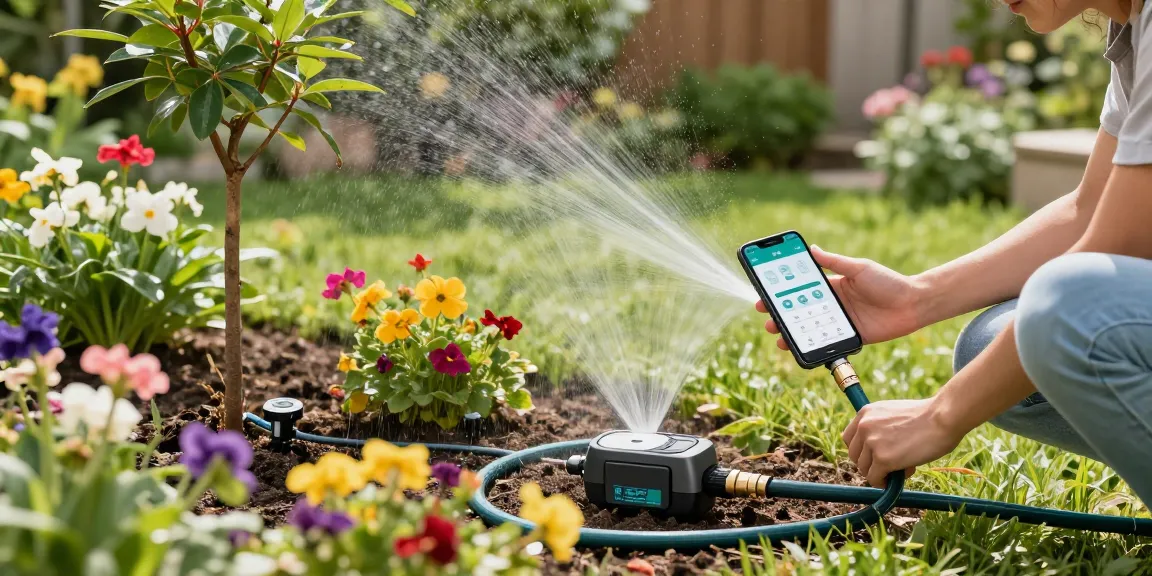
Watering is a fundamental aspect of gardening that requires careful consideration. Overwatering can lead to root rot, while underwatering can stress plants. Several techniques can help ensure your plants receive adequate hydration:
- Deep watering: Water plants deeply but less frequently to encourage deep root growth.
- Drip irrigation: This efficient method delivers water directly to the plant roots, conserving water and reducing weed growth.
- Timing: Water early in the morning or late in the afternoon to minimize evaporation losses.
- Mulching: Use organic mulch to retain moisture and suppress weeds around your plants.
Implementing these techniques will help ensure your plants get the moisture they need to thrive throughout their growth cycle.
Organic vs. Conventional: Choosing Your Approach
The debate between organic and conventional gardening is ongoing, and understanding each approach’s merits and drawbacks is key to making an informed choice. Organic gardening involves using natural methods to maintain soil health, prevent pests, and grow plants without synthetic fertilizers or pesticides. This approach enhances biodiversity and promotes sustainable practices.
Conventional gardening often includes chemical fertilizers and pesticides, which can result in higher yields but might have long-term impacts on soil health and the environment. Your choice will depend on your gardening goals, willingness to engage in natural practices, and personal ideals regarding sustainability. Consider starting with organic gardening principles, which can lead to healthier plants and a cleaner environment.
Advanced Gardening Strategies
Crop Rotation for Sustainable Gardening
Crop rotation is an ancient agricultural technique that enhances soil fertility and prevents plant diseases. The process involves changing the location of specific crops in your garden each planting season. For instance, following nitrogen-fixing legumes like peas with heavy feeders such as corn can restore nitrogen levels in the soil.
Rotating crops not only combats soil depletion but also disrupts the life cycles of pests that thrive in monoculture systems. This approach to gardening cultivates a healthier ecosystem that supports sustainable practices.
Implementing Vertical Gardening Solutions
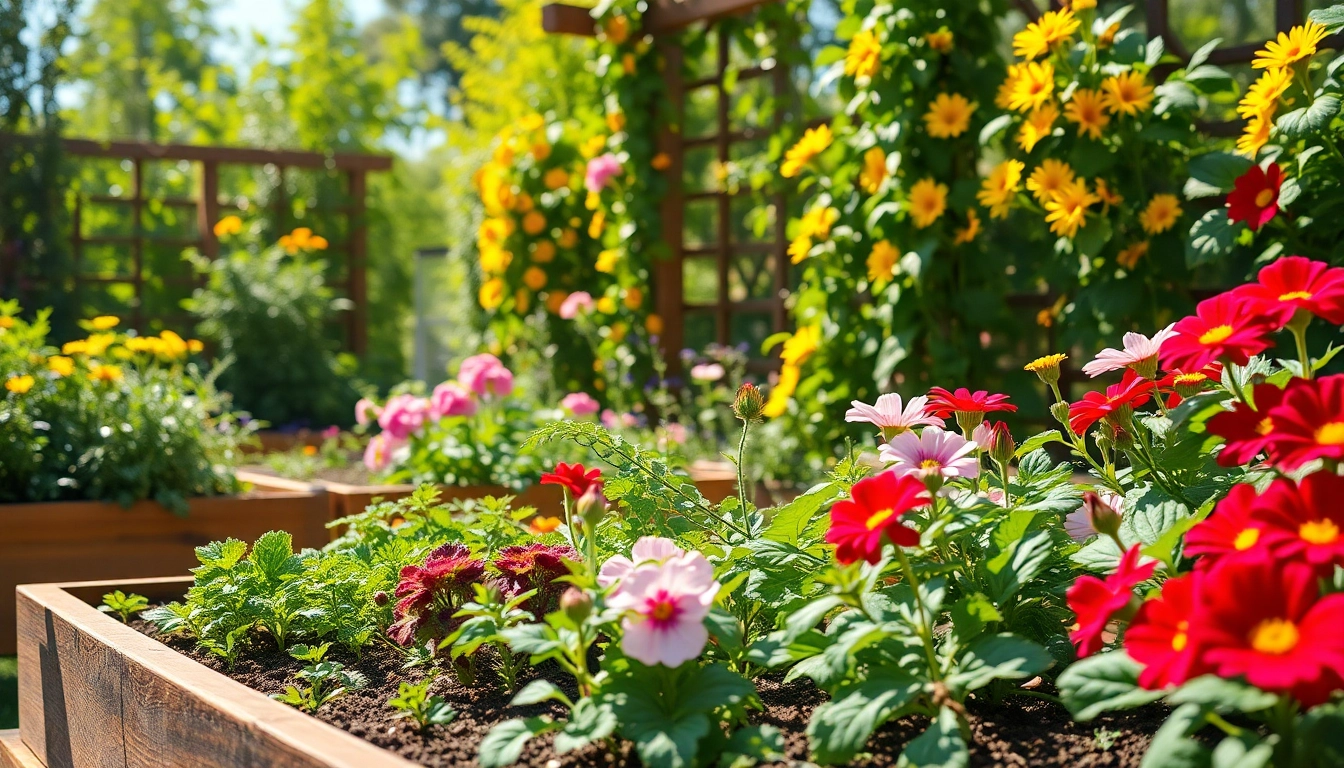
For those with limited space, vertical gardening offers a creative solution to maximize growing areas. Vertical gardens use increasingly popular techniques like trellising, wall planters, or hanging containers to grow plants upwards rather than outwards.
This technique not only maximizes space but also improves air circulation and sunlight exposure for plants, potentially increasing yields. Vertical gardens can accommodate a variety of plants, from leafy greens to flowering vines, allowing gardeners to personalize their space with unique designs.
Using Mulch for Moisture Retention in Gardening
Mulch serves as an essential tool in gardening, providing numerous benefits, including moisture retention, temperature regulation, and weed suppression. By laying a thick layer of organic mulch—such as straw, wood chips, or shredded leaves—around your plants, you can reduce evaporation and maintain a consistent moisture level in the soil.
Moreover, as organic mulch decomposes, it enriches the soil with nutrients, enhancing your garden's overall health. Be sure to replenish mulch as it breaks down to maintain its effectiveness throughout your growing season.
Measuring Success in Gardening
Common Gardening Challenges and How to Overcome Them
Even the most experienced gardeners face challenges. Here are some common obstacles and tips to address them:
- Pest infestations: Utilize integrated pest management strategies, including promoting beneficial insects and using natural repellents.
- Diseases: Regularly inspect plants for signs of disease, practice good sanitation, and rotate crops to mitigate recurring issues.
- Poor soil conditions: Address soil health through regular testing, amendments, and organic matter incorporation.
- Climate stress: Protect plants from extreme weather by using row covers, shade cloth, and proper mulching techniques.
Being proactive can help you navigate these challenges, ensuring a more productive gardening experience.
Tools for Monitoring Plant Health
Effective monitoring of plant health is essential for a successful garden. Several tools can assist gardeners in assessing the condition of their plants:
- Soil moisture meters: These devices can help you check moisture levels, ensuring you water when needed.
- PH testers: Handy for evaluating the soil's acidity or alkalinity, which influences nutrient availability.
- Plant health apps: Many apps can help you identify plant diseases and provide care tips based on collected data from your garden.
Utilizing these tools will keep you informed about your garden's needs, leading to better care and healthier plants.
Adapting Your Gardening Practices Over Time
Gardening is a dynamic process that requires adaptability and a willingness to learn. As you gain experience, adjust your practices based on findings and results from previous seasons. Keep a gardening journal to track plant performance, weather patterns, and your observations throughout the year. This data can inform future decisions, propelling your gardening skills to new heights.
Remember, gardening is an art form, and over time, experimentation and adaptation will lead to a flourishing, diverse, and successful garden that reflects your style and preferences.