Getting Started with Gardening
Gardening is more than a mere hobby for many; it's a way to cultivate beauty, foster sustainability, and connect with nature. Whether you're a beginner looking to plant your first seeds or a seasoned green thumb seeking new techniques, understanding the fundamentals of Gardening is essential. Let's delve into the exciting world of plant care, where the right tools and techniques can transform your backyard into a flourishing oasis. To make the most of your gardening journey, start by building a solid foundation in essential practices and knowledge, starting with Gardening.
Understanding Your Gardening Zone
Your gardening zone is a critical factor in determining what plants will thrive in your space. The United States Department of Agriculture (USDA) divides the country into hardiness zones based on climate conditions, including temperature variations and seasonal changes. These zones affect everything from the types of plants you can grow to the ideal planting times.
To determine your gardening zone, you can consult the USDA Plant Hardiness Zone Map, which breaks down the country into zones, typically ranged from 1 (coldest) to 13 (warmest). Understanding your zone helps in selecting plants that are well-suited to your local climate. For instance, if you live in Zone 5, you might consider perennials like coneflowers and hostas that are known to thrive in cooler conditions. Additionally, local gardening centers can provide valuable information tailored to your specific area.
Essential Gardening Tools for Beginners
Having the right tools can make all the difference when starting your gardening adventure. Essential tools include:
- Hand trowel: Perfect for digging small holes, transplanting seedlings, and loosening soil.
- Pruning shears: Important for trimming plants and controlling growth.
- Garden fork: Useful for turning soil and mixing in organic matter.
- Watering can: A simple yet effective way to supply water to your plants, especially seedlings.
- Gloves: Protect your hands from dirt, thorns, and chemicals.
- Rake: Ideal for gathering leaves and debris while also leveling soil during preparation.
Investing in quality tools will enhance your gardening experience and ensure longevity. While these may represent a larger initial investment, they save time and effort in the long run.
Choosing the Right Plants for Your Space
Choosing plants for your garden may seem daunting, but it can be incredibly rewarding. Start by considering the following factors:
- Sunlight: Assess how much sunlight your garden gets throughout the day. Some plants require full sun (six or more hours), while others thrive in partial shade.
- Soil type: Understanding the soil composition in your garden can help determine which plants will prosper. Sandy soil drains quickly but may require more frequent watering, while clay soil retains moisture.
- Space: Be mindful of the size and spread of plants. Consider both vertical and horizontal growth to maximize limited spaces.
- Maintenance level: Choose plants that match your available time and effort for maintenance. Low-maintenance plants are ideal for beginners.
As you narrow down your choices, consider local native plants as they are adapted to thrive in your area and can contribute to local biodiversity.
Soil Health and Preparation
The foundation of a successful garden lies within its soil. Healthy soil should be rich in nutrients, have good drainage, and contain a mixture of organic matter to support thriving plant life.
The Importance of Composting in Gardening
Composting is one of the best ways to enrich your soil naturally. By recycling kitchen scraps and yard waste, you can create nutrient-dense compost that improves soil fertility and structure. Starting a compost pile is easy:
- Gather materials: Collect green materials (nitrogen-rich) like vegetable scraps, grass clippings, and brown materials (carbon-rich) like dried leaves and newspaper.
- Mix layers: Alternate between green and brown materials to create a balanced compost pile.
- Turn the pile: Aerate the compost regularly to speed up decomposition.
- Harvest when ready: When the compost turns dark and crumbly, it’s ready to enrich your garden soil.
Using compost will not only improve soil health but also reduce waste in landfills, making it an environmentally friendly gardening practice.
Testing and Amending Your Soil's Nutrients
Regular soil testing is crucial to understand the nutrient composition and pH level of your soil, which can greatly affect plant growth. You can purchase a soil testing kit or send a sample to a local lab. The results of your soil test will inform you about:
- pH level: The measure of acidity or alkalinity, affecting nutrient availability. Most plants prefer a pH of 6.0 to 7.0.
- Nutrient levels: Key nutrients include nitrogen, phosphorus, and potassium. Knowing these levels helps determine any deficiencies.
- Soil texture: The proportion of sand, silt, and clay can dictate water retention and drainage capability.
Based on the results, you may need to amend your soil with fertilizers or other organic materials to create a balanced nutrient environment.
Creating the Perfect Planting Mix
The right planting mix can fuel plant growth and enhance soil structure. Here are some tips to create your own mix:
- Use quality ingredients: Combine garden soil, peat moss, compost, and perlite or vermiculite to improve aeration and drainage.
- Balance nutrients: Ensure your mix is rich in organic matter while providing essential nutrients necessary for growth.
- Conduct a test run: Experiment with proportions to see which plants respond best to your unique blend.
By crafting the ideal planting mix, you can ensure that your seeds and plants have the best possible start as they establish themselves.
Watering Techniques for Optimal Growth
Watering is a fundamental aspect of gardening. While every plant's water requirement may differ, mastering effective watering techniques can lead to healthier, more vibrant plants.
Best Practices for Watering Your Garden
Proper watering techniques include:
- Water deeply: Aim to water your plants such that the soil is moist several inches down. This encourages deep root growth.
- Water in the morning: Early watering reduces evaporation and gives plants time to absorb moisture throughout the day.
- Avoid overhead watering: Use drip irrigation or soaker hoses to prevent water on leaves, which can lead to diseases.
Adjust watering frequency based on rainfall, temperature, and humidity. During the hotter months, your plants may require more water to remain hydrated.
Understanding Irrigation Systems
Irrigation can be integral to managing water efficiently throughout your gardening endeavors, especially in arid climates. Here are a few popular systems:
- Drip irrigation: This system delivers water directly to the root zone of plants, reducing waste and evaporation.
- Sprinkler systems: Ground or overhead sprinklers can extrapolate moisture across larger areas but may be less efficient in wind or during heavy rains.
- Soaker hoses: As porous hoses, they seep water directly into the soil, providing a slow, even delivery that encourages healthy root development.
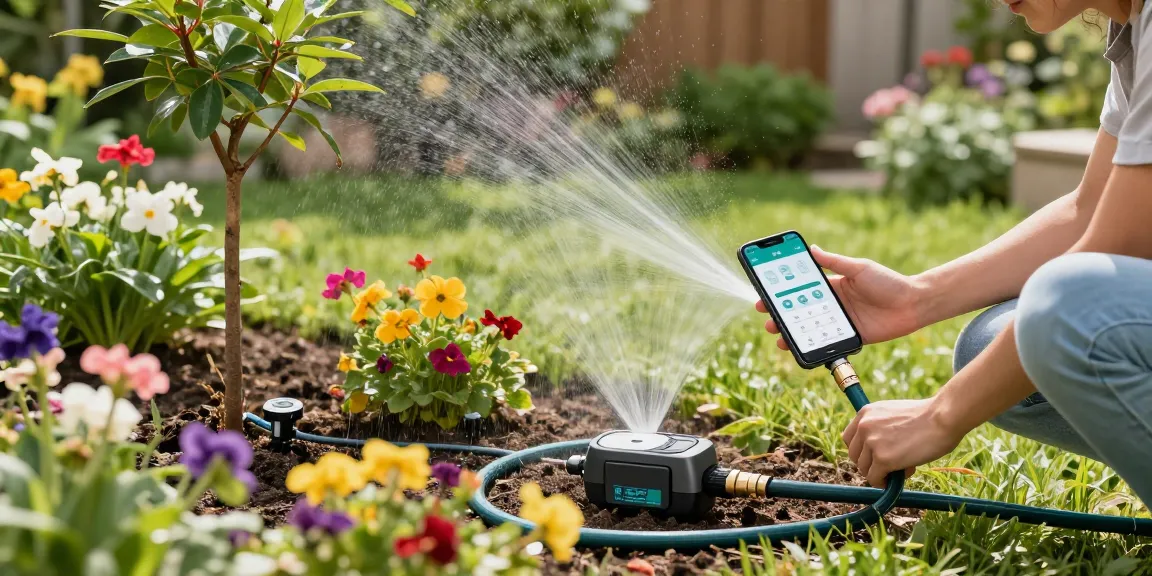
Automatic irrigation systems can relieve the burden of watering but require careful monitoring and adjustment to optimize water use.
Water Conservation Strategies in Gardening
Water conservation is not only sustainable but also beneficial, particularly in areas prone to drought. Consider these strategies:
- Mulching: Applying a layer of mulch retains soil moisture and reduces the growth of weeds.
- Catching rainwater: Use rain barrels to collect and store rainwater for use during dry spells.
- Choose drought-resistant plants: Incorporate native or drought-tolerant species that require less water once established.
Implementing these conservation methods will contribute to an eco-friendly gardening practice that promotes sustainability.
Pest and Disease Management
Without effective pest and disease management, your garden can quickly become compromised. Understanding common threats and prevention strategies is key to thriving plants.
Identifying Common Pests in Gardening
Common garden pests include:
- Aphids: Small green or black insects that suck sap from plants, leading to wilting.
- Spider mites: Tiny creatures that create fine webs and cause leaf discoloration.
- Slug and snails: Mollusks that chew through leaves, leaving holes behind.
Regularly inspecting your plants and checking the undersides of leaves can help detect these pests early before they cause significant damage.
Organic Solutions to Garden Pests
Managing pests organically is effective and environmentally friendly. Some methods include:
- Introduce beneficial insects: Ladybugs, lacewings, and parasitic wasps can help control pests naturally.
- Homemade insecticidal soap: Mix water and mild soap to create a spray that can effectively reduce insect populations.
- Barriers and traps: Use physical barriers or trapping techniques to deter pests from approaching your plants.
These methods minimize chemical use and promote a healthier ecosystem within your garden.
Preventing Plant Diseases Effectively
Preventing diseases is as critical as managing pests. Here are essential strategies:
- Encourage airflow: Space plants properly to ensure good air circulation; this helps prevent fungal diseases.
- Water wisely: Watering at the base of plants prevents moisture on leaves, reducing disease risk.
- Rotate crops: Changing the location of plants each year can prevent soil-borne diseases from persisting.
Staying vigilant and acting promptly at the first signs of disease can save your plants and yield the best results.
Advanced Gardening Strategies
Once you’re comfortable with the basics, consider exploring advanced gardening strategies that can enhance productivity and creativity.
Companion Planting: A Winning Strategy
Companion planting involves pairing plants that benefit each other, enhancing growth and deterring pests. Examples of effective companion pairs include:
- Tomatoes and basil: Basil helps repel pests and enhances the flavor of tomatoes.
- Carrots and onions: Onions can deter carrot flies, while carrots do not compete for nutrients.
- Beans and corn: Beans provide nitrogen to the soil, which benefits corn as it grows.
By thoughtfully selecting plant pairings, you can create a harmonious ecosystem that maximizes space and benefits plant health.
Seasonal Gardening: Extending Your Harvest
Seasonal gardening allows you to grow different crops at various times of the year, maximizing production. Some techniques include:
- Succession planting: Stagger planting times to ensure continuous harvests, such as planting new seeds every few weeks.
- Utilizing cold frames: These structures can extend the growing season by protecting plants from cold weather.
- Growing perennials: Integrating perennial plants can provide consistent yields year after year without yearly replanting.
By implementing these strategies, you’ll boost your harvest while making the most of seasonal changes.
Installing Raised Beds and Vertical Gardens
Raised beds and vertical gardens offer innovative solutions for maximizing space and improving aesthetic appeal. Advantages include:
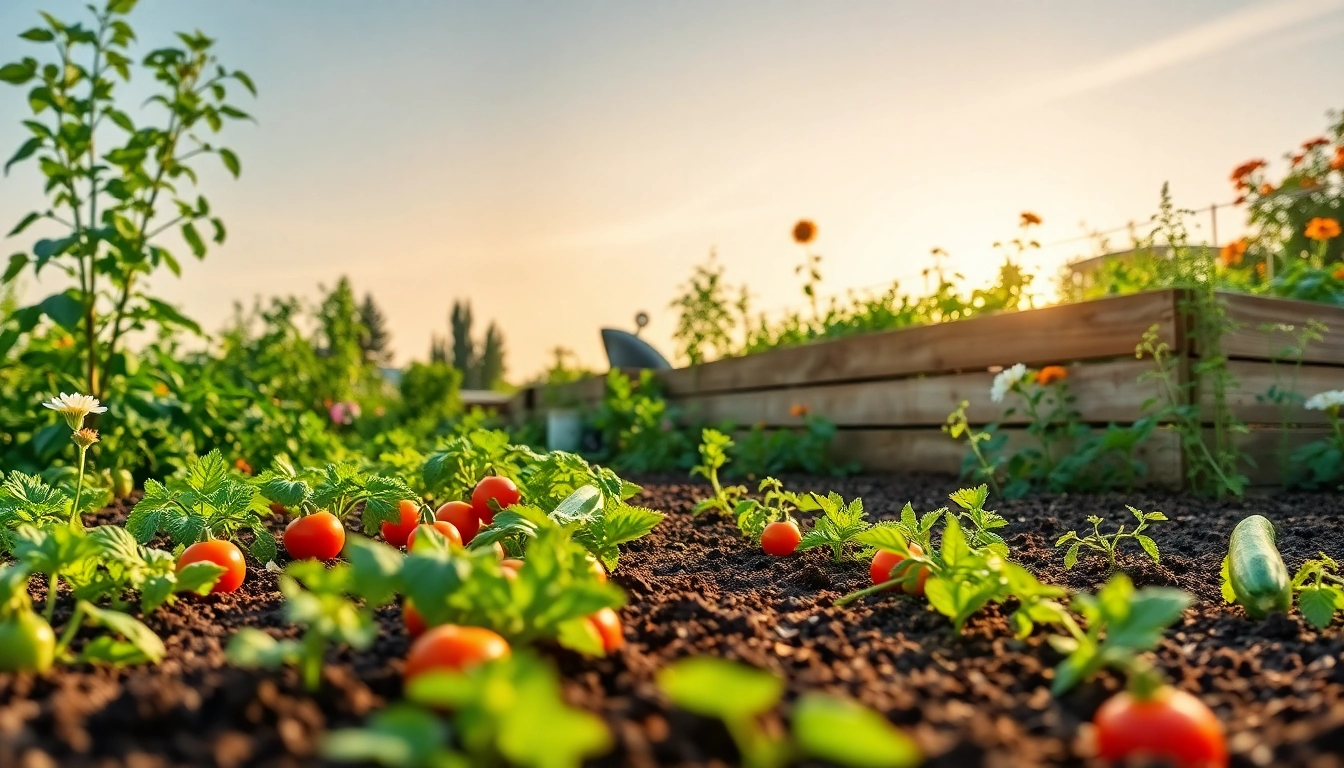
- Improved drainage: Raised beds allow for better water drainage and prevent soil compaction.
- Accessibility: Elevated beds can reduce strain on your back and knees, making gardening easier.
- Vertical gardening: Utilizing trellises or wall-mounted planters enables you to grow more in smaller areas while displaying plants attractively.
With thoughtful design and planning, these advanced techniques can drastically improve your gardening experience and results.
Gardening is a rewarding pursuit that enriches not only your surroundings but also your mind and spirit. As you develop your green thumb, don’t hesitate to experiment with new plants, techniques, and strategies. Patience and observation are key, and the rewards will be well worth the effort!