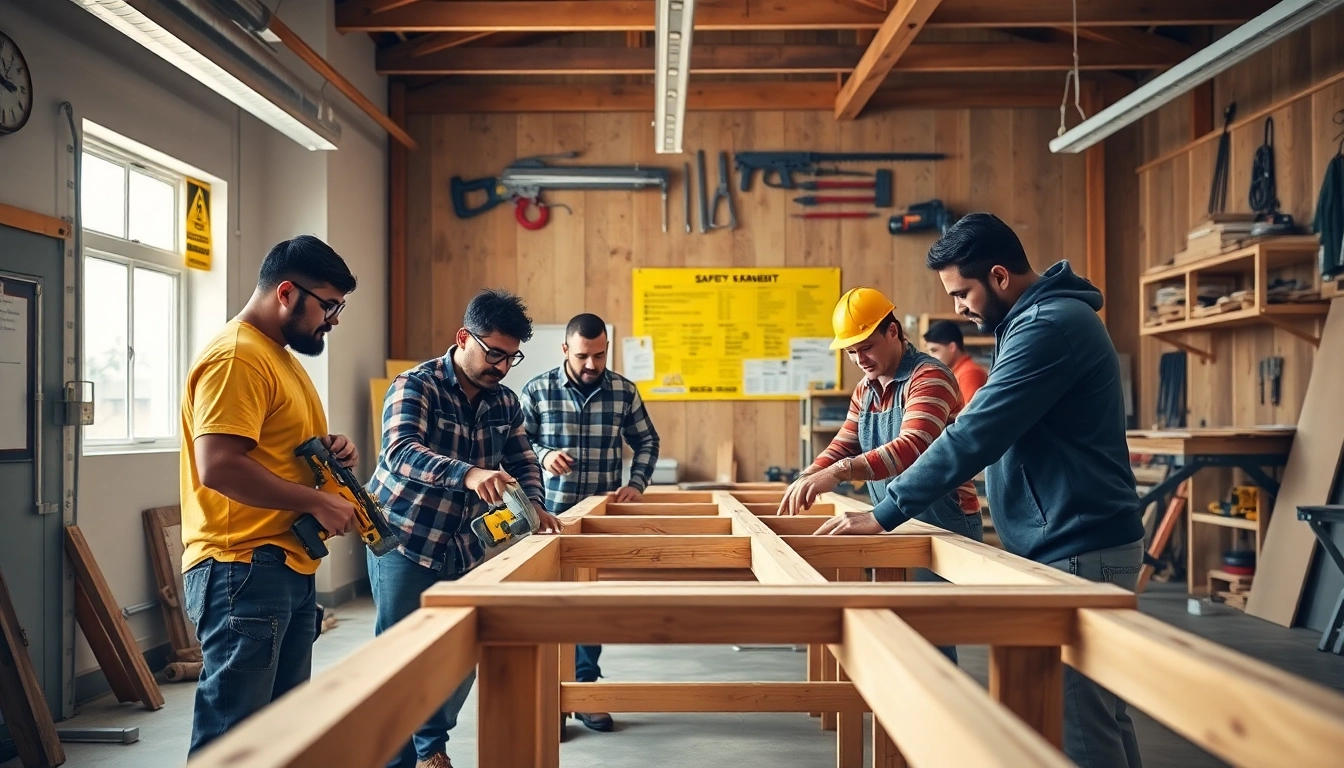
Understanding Trade Schools in Hawaii
What are Trade Schools?
Trade schools, also known as vocational schools, are educational institutions that specialize in a particular career or skill set. Unlike traditional four-year colleges, trade schools focus on preparing students for specific jobs, equipping them with the practical skills and knowledge necessary for career success. This hands-on training often includes both classroom instruction and field experience, allowing students to master the requirements of their chosen trade. In the context of Hawaii, trade schools play a pivotal role in addressing the unique workforce needs of the islands, making them an essential part of the educational landscape.
Benefits of Attending Trade Schools in Hawaii
Choosing to attend trade schools in Hawaii comes with numerous advantages that can significantly shape a student's career trajectory. Here are some of the key benefits:
- Focused Learning: Trade schools provide specialized training in specific fields, allowing students to concentrate on the skills and knowledge directly relevant to their desired careers.
- Shorter Programs: Many trade programs can be completed in a year or two, enabling graduates to enter the workforce more quickly than traditional degree programs.
- High Demand for Skilled Workers: Hawaii's job market has a constant demand for skilled tradespeople in areas such as construction, culinary arts, and healthcare.
- Personalized Attention: Smaller class sizes in trade schools often result in more personalized instruction and better support from faculty.
- Financial Accessibility: Trade schools can be more affordable than traditional colleges, reducing the overall student debt burden.
Key Programs Offered by Trade Schools in Hawaii
The range of programs available at trade schools in Hawaii is diverse, catering to various interests and job opportunities. Here are some of the key programs:
- Construction Trades: Programs such as carpentry, electrical work, plumbing, and masonry equip students with essential hands-on skills for the booming construction industry in Hawaii.
- Healthcare: With an increasing demand for healthcare services, programs in nursing, medical assisting, and dental hygiene are vital for preparing students to work in healthcare settings.
- Hospitality and Culinary Arts: Given Hawaii's robust tourism industry, schools often offer programs that cover culinary skills, hospitality management, and event planning.
- Aviation Technology: Training in aviation maintenance and piloting is critical due to Hawaii’s unique geographical positioning and reliance on air travel.
- Automotive Technology: Automotive repair and maintenance programs teach students the technical skills necessary to service and repair vehicles.
Choosing the Right Trade School
Factors to Consider When Selecting a Trade School in Hawaii
Selecting the right trade school is a critical decision that can influence your career path. Here are key factors to consider:
- Location: Proximity to home may reduce costs and allow for easier access to the school. Additionally, consider the local job market relevant to your field.
- Program Length: Evaluate how long the program will take to complete and ensure it aligns with your career timeline.
- Reputation: Research reviews from former students to gauge the quality of the education provided and the success of graduates in finding employment.
- Curriculum: Examine the curriculum to ensure it covers the essential skills required in your chosen trade.
Accreditation and Reputation of Trade Schools in Hawaii
Accreditation is an important aspect when considering trade schools in Hawaii. Attending an accredited institution not only assures you of receiving quality education but can also affect your eligibility for federal financial aid. Furthermore, accreditation enhances the recognition of your qualifications by employers. Researching the school's reputation within the industry can provide insights into how well its graduates are equipped for the job market.
Financing Options and Scholarships Available
Financing your education can be daunting, but there are numerous options available for those attending trade schools in Hawaii. Many schools offer financial aid packages that include grants and loans. Additionally, local organizations, trade associations, and government programs often provide scholarships specifically for students pursuing vocational training. Exploring these resources can reduce the financial burden of tuition and related expenses, making education more accessible.
Career Opportunities After Trade School
In-Demand Trades in Hawaii
The job market in Hawaii is unique due to its geographical and economic conditions. Some of the most in-demand trades include:
- Construction: With ongoing development projects, construction trades such as electrical, plumbing, and carpentry are in high demand.
- Healthcare Services: The healthcare industry constantly needs qualified professionals, especially nurses, medical assistants, and dental hygienists.
- Culinary and Hospitality: The tourism industry drives demand for chefs, restaurant management, and hotel staff.
- Aviation: Pilots and aircraft maintenance technicians are essential in Hawaii, where air travel is a primary means of transportation.
- Landscaping and Agriculture: Given Hawaii's tropical climate, landscaping professionals and agricultural specialists are essential for maintaining the islands' natural beauty.
Job Placement Services at Trade Schools in Hawaii
Many trade schools in Hawaii offer job placement services to assist graduates in finding employment once they complete their training. These services can include resume writing workshops, interview preparation, job fairs, and partnerships with local employers. Engaging with these resources can significantly enhance a graduate's chances of securing a job in their field.
Tips for Successful Job Hunting After Graduation
Transitioning from trade school to employment can be smoother with some strategic planning. Here are tips for successful job hunting:
- Networking: Building connections with industry professionals and attending local trade shows can open doors to job opportunities.
- Resume and Cover Letter: Craft a strong resume and tailored cover letter that highlight your skills and training specific to the jobs you're applying for.
- Follow-Up: After interviews, always follow up with a thank-you note, reiterating your interest in the position.
- Utilize Job Boards: Leverage job boards specific to Hawaii's trades, as well as general job search platforms.
Success Stories from Graduates of Trade Schools in Hawaii
Highlighting Notable Alumni
Many graduates of trade schools in Hawaii have gone on to achieve remarkable success in their respective fields. These success stories serve as inspiration and demonstrate the tangible outcomes of vocational education. Alumni often share how their training provided them with critical skills that directly contributed to their career advancement, highlighting the importance of trade education for both personal and professional growth.
Industry Impact of Trade School Graduates
The influence of trade school graduates extends beyond individual success; they play a substantial role in shaping various industries across Hawaii. For instance, many skilled tradespeople contribute significantly to enhancing infrastructure, healthcare services, and the hospitality industry, thereby fostering economic growth within their communities.
Community Contributions by Graduates
In addition to their professional achievements, many trade school graduates give back to their communities, whether through mentorship, volunteering, or establishing local businesses. This community engagement promotes workforce development and supports the training of future generations, ensuring that the benefits of trade education are felt across all levels of society.
The Future of Trade Education in Hawaii
Emerging Trends in Trade Education
The landscape of trade education in Hawaii is continually evolving. New trends, such as the integration of technology in training and a shift towards more sustainable practices in several fields, reflect the changing demands of the job market. Trade schools are adapting their programs to ensure students are well-equipped to meet these emerging needs.
Technological Advancements in Trade Training
Technological advancements are increasingly influencing how trade skills are taught. For example, simulation technologies are being utilized in fields such as healthcare and aviation, providing students with a realistic, hands-on approach to learning. The incorporation of online learning platforms also allows students to access course materials anytime and anywhere, enhancing the overall educational experience.
How Trade Schools Adapt to Industry Needs
Trade schools in Hawaii are closely monitoring industry trends and actively adapting their curricula to meet the evolving needs of employers. This responsiveness ensures that graduates have the skills that are currently in demand. Partnerships with local businesses also facilitate feedback loops that inform program improvements and new offerings, fostering a dynamic relationship between education and industry.