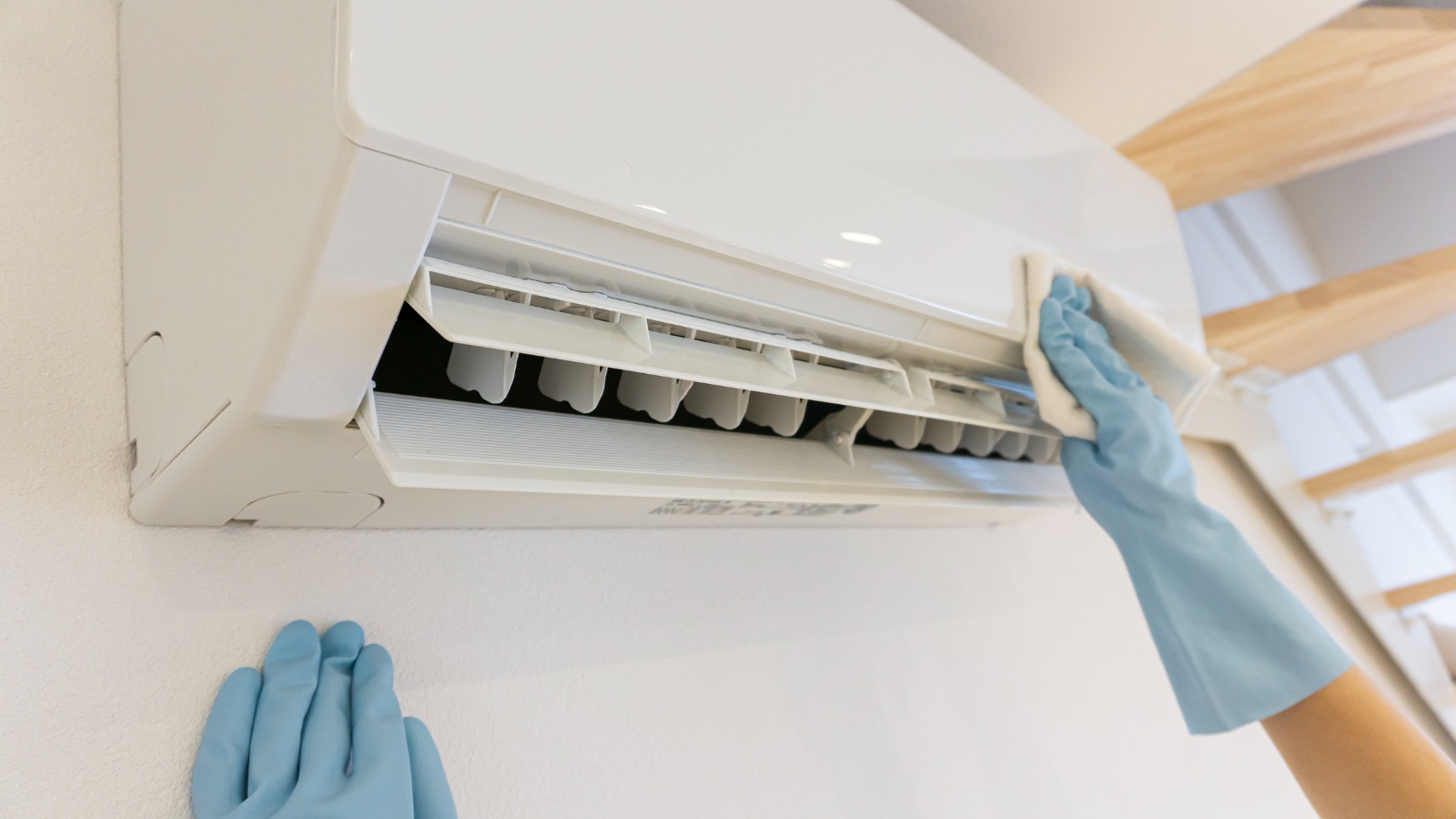
Understanding Air Conditioning Systems
Air conditioning systems have become an integral part of modern living, providing crucial comfort during sweltering summer months and ensuring air quality throughout the year. Understanding the various types of air conditioning systems available can help homeowners and businesses alike make informed decisions about cooling solutions. This article will explore the different types of air conditioning systems, how they work, and the implications of energy efficiency ratings.
Types of Air Conditioning Systems
When it comes to air conditioning, there are several types of systems to consider, each with its unique features and benefits:
- Central Air Conditioning: Central systems use a network of ducts to distribute cooled air throughout a building. They are ideal for larger homes or commercial spaces, as they can efficiently cool multiple rooms simultaneously.
- Ductless Mini-Split Systems: These systems consist of an outdoor compressor and one or more indoor air-handling units. Without the need for ductwork, ductless systems are excellent for homes with no existing ductwork or for room additions.
- Window Air Conditioners: This type of unit is installed in a window and typically cools a single room. It is a convenient and cost-effective solution for those needing temporary cooling.
- Portable Air Conditioners: Similar to window units but with wheels, portable air conditioners can be moved from room to room. They require a venting kit to exhaust hot air, making them less efficient than fixed units.
- Evaporative Coolers: Also known as swamp coolers, these work by evaporating water to cool the air. They are ideal in dry climates but less effective in humid conditions.
How Air Conditioning Works
At its core, air conditioning works by removing heat from the air inside a building and transferring it outside. The basic components of an air conditioning system include:
- Refrigerant: A fluid that absorbs and releases heat as it circulates through the system.
- Compressor: This component compresses the refrigerant gas, raising its temperature and pressure before it moves to the condenser.
- Condenser: Located outside, the condenser releases heat from the refrigerant, converting it back into liquid form.
- Evaporator Coil: Inside the building, the refrigerant passes through the evaporator coil, where it absorbs heat from indoor air, thus cooling the air before it is circulated back into the space.
The system works in a continuous cycle, effectively maintaining a comfortable indoor environment.
Energy Efficiency Ratings Explained
Understanding energy efficiency ratings is crucial for selecting a system that meets your cooling needs while minimizing energy consumption. The most common ratings include:
- SEER (Seasonal Energy Efficiency Ratio): This measures the cooling efficiency of central air conditioning units. A higher SEER rating indicates more efficient energy use.
- EER (Energy Efficiency Ratio): This rating measures the efficiency of an air conditioning system at a specific operating point. EER is especially valuable for comparing units working at peak efficiency.
- HSPF (Heating Season Performance Factor): For heat pumps, HSPF indicates efficiency during heating operation. This can help determine operational costs through the seasons.
Choosing a system with a high energy efficiency rating can result in significant savings on utility bills over time, making it a worthwhile investment.
Choosing the Right Air Conditioning System
Selecting the right air conditioning system is essential for both comfort and efficiency. It requires careful consideration of several factors, including the specific needs of your home or business, your budget, and technology preferences.
Factors to Consider for Your Home
When considering which air conditioning system to install, take note of the following factors:
- Size of Your Space: Proper sizing is crucial. An oversized unit may cycle on and off too frequently, leading to inefficient operation, while an undersized unit may struggle to cool the space.
- Climate: Your local climate plays a significant role in choosing an appropriate system. Hot, humid climates might benefit from central or ductless systems, while dry areas might find evaporative coolers more effective.
- Energy Costs: Understanding local energy rates will help gauge the operational costs and long-term consumer savings of your selected units.
- Installation and Maintenance: Consider the available options for professional installation and upkeep. Systems requiring minimal ongoing maintenance tend to be more cost-effective in the long run.
Comparing Different Models
Once you've identified your specific needs, it’s time to compare different models. Factors to consider in this evaluation include:
- Efficiency Ratings: Review the SEER, EER, and HSPF ratings to determine potential energy savings.
- Brand Reputation: Reliable brands often offer better customer support and warranties, enhancing the overall value of your purchase.
- Price: While cost shouldn't be the sole factor, ensure you're getting a fair price for the features and efficiencies offered.
- Noise Levels: Look for models that run quietly to maintain a comfortable environment with minimal disruption.
Researching and reviewing these specifications will ensure that you select a model that delivers value and performance within your budget.
Cost Analysis and Budgeting
Before making a final decision, perform a comprehensive cost analysis that includes the initial purchase price, installation costs, and ongoing energy expenses. Consider these elements as follows:
- Initial Costs: This includes purchasing the unit and installation fees. Inquire about any available promotions or financing options that can ease upfront expenses.
- Operation Costs: Estimate monthly energy consumption based on efficiency ratings and local energy costs to assess long-term expenses.
- Maintenance Costs: Factor in annual maintenance and potential repair costs, as regular upkeep ensures longevity and optimal performance.
By integrating all these factors, you can create a budget that ensures your air conditioning selection is not only a short-term solution but a viable long-term investment.
The Importance of Professional Installation
Once you've selected the right air conditioning system, professional installation becomes an essential next step. Proper installation is crucial to the performance and efficiency of the HVAC system.
Benefits of Hiring Experts from https://www.lancashireairconditioning.com
Engaging professionals for installation carries numerous benefits, including:
- Expertise: Professionals possess extensive knowledge of a wide range of air conditioning systems, ensuring the installation aligns with manufacturer guidelines and local codes.
- Warranty Protection: Most manufacturers require professional installation to maintain warranty coverage. Handling installation yourself may void warranties, leading to costly repairs down the line.
- Safety: HVAC systems involve electrical and refrigerant components. Ensuring these are handled safely demands expertise, minimizing the risk of accidents or property damage.
Common Installation Errors to Avoid
Improper installations can lead to various issues, including ineffective cooling and increased energy costs. Here are common errors to watch for:
- Incorrect Sizing: An improperly sized system can either overwork or underperform, leading to comfort issues and increased energy usage.
- Poor Location: Installing units in poorly ventilated places can lead to inefficiencies and potential damage.
- Neglecting Ductwork: Failure to seal and insulate ductwork can result in significant energy loss.
By hiring qualified professionals, you can avoid these pitfalls and ensure that your air conditioning system is set up for optimal performance.
Time and Resource Efficiency
Opting for professional installation also contributes to time and resource efficiency. Experts can complete installations quickly and accurately, minimizing disruption to your routine. Additionally, their access to specialized tools and techniques means they can handle things more efficiently than someone without experience, saving you time and potential headaches.
Maintenance and Repair Services
Once your air conditioning system is installed, maintaining it becomes vital for ensuring long-term reliability and efficiency. Regular maintenance helps to catch potential issues early and keeps systems running smoothly.
Routine Maintenance Guidelines
To maintain an efficient air conditioning system, consider these routine maintenance tasks:
- Regular Filter Changes: Check and replace filters every 1-3 months, depending on usage. Dirty filters restrict airflow and can cause the system to work harder than necessary.
- Clean Coils and Fins: Ensuring the coils and fins are free from debris and dirt helps maintain efficient airflow and heat exchange.
- Check the Drain Line: Periodically inspect the condensate drain line to prevent clogs that can cause water damage and affect system performance.
Signs Your Air Conditioning Needs Repair
Understanding when your system requires attention is crucial for maintaining performance. Look for these signs:
- Inconsistent Temperatures: If some rooms are consistently warmer or cooler than others, it could indicate airflow issues or problems with the system's balance.
- Unusual Noises: Unexpected sounds such as grinding, rattling, or hissing can signal mechanical problems that need addressing.
- Increased Energy Bills: A sudden spike in energy costs can indicate your system is working harder than it should, often due to underlying issues.
Long-Term Care Tips for Your System
To extend the lifespan of your air conditioning system, consider these long-term care tips:
- Schedule Annual Professional Maintenance: Having a professional perform checks and tune-ups will help keep your system in top condition.
- Monitor System Performance: Keeping track of your system’s performance can help you catch issues before they escalate.
- Upgrade When Necessary: If your system is over a decade old and frequently requires repairs, it may be more cost-effective to invest in a new, energy-efficient model.
Proactive maintenance and timely repairs will not only ensure comfort but also prevent costly replacements.
The Future of Air Conditioning Technology
As technology evolves, so too does the field of air conditioning. Emerging innovations are constantly reshaping the landscape, improving efficiency and expanding options for consumers.
Emerging Trends in Air Conditioning
Future air conditioning systems are set to incorporate several key trends:
- Smart Technology: Integrating smart thermostats and IoT capabilities allows for greater control over cooling systems via smartphone apps, improving user convenience and energy savings.
- Variable Refrigerant Flow Systems: These systems provide customized cooling for different zones within the same building, enhancing comfort and energy efficiency.
- Energy Recovery Ventilators: These systems improve the indoor air quality by recovering energy from exhaust air to pre-condition incoming fresh air.
Smart Air Conditioning Solutions
Smart air conditioning solutions offer more than just convenience; they provide real-time data on energy usage, enabling homeowners to make informed decisions that lead to further savings. Voice command interfaces, adaptive learning, and remote diagnostics illustrate the significant potential of smart technology in HVAC applications.
Sustainability and Environmental Impact
Environmental considerations are reshaping how air conditioning systems are designed and operated. Efforts are geared towards:
- Low-GWP Refrigerants: Transitioning to refrigerants with a lower global warming potential helps reduce the environmental impact of HVAC systems.
- Energy Efficiency Initiatives: Stricter efficiency standards push manufacturers to innovate, leading to products that consume less energy while delivering superior performance.
- Renewable Energy Integration: The use of solar panels to power air conditioning units exemplifies a shift towards sustainable energy sources, reducing reliance on traditional power grids.
As society evolves toward sustainability, air conditioning technology will continue to play a pivotal role in energy conservation and environmental protection.
In summary, understanding air conditioning systems, selecting the right model, ensuring proper installation and maintenance, and keeping an eye on future technologies can significantly enhance comfort and efficiency in your space. For more guidance on air conditioning solutions tailored to your needs, explore https://www.lancashireairconditioning.com.