Understanding the California Smog Check Process
What is a California Smog Check?
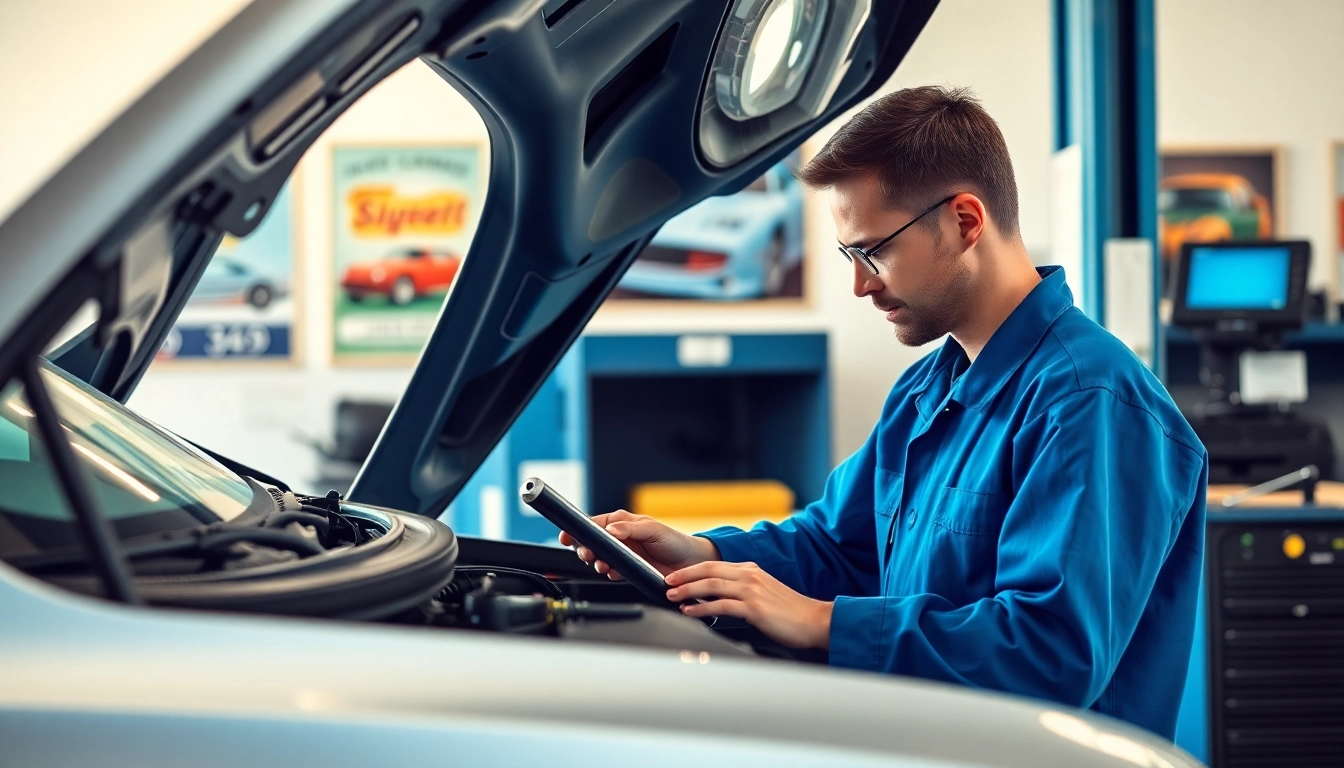
The California Smog Check is a state-mandated program that aims to reduce air pollution produced by motor vehicles. This program monitors and evaluates the emissions produced by cars, trucks, and SUVs to ensure compliance with California's stringent air quality regulations. During a smog check, a certified technician evaluates various components of the vehicle’s exhaust system, utilizing advanced diagnostic equipment to measure the emissions released when the vehicle operates.
Why is the California Smog Check Important?
The California Smog Check is pivotal for several reasons. Firstly, it helps mitigate air pollution, which is a significant health risk for residents, particularly in urban areas where smog can lead to respiratory issues and other health problems. Secondly, this program aids California in meeting federal air quality standards, which is essential for maintaining federal funding and compliance. Moreover, ensuring that vehicles are operating efficiently not only enhances environmental conditions but also promotes fuel efficiency, which can lead to savings at the gas pump for car owners.
How Often Do You Need a California Smog Check?
The frequency of the California Smog Check varies based on the age and type of the vehicle. Generally, most vehicles must undergo a smog check every two years, particularly those that are six years or older. However, new vehicles, typically those that are less than six years old, are exempt from the check until they reach the six-year mark. It's also essential to note that any vehicle that has had significant modifications or repairs, especially concerning the emissions control system, may require a smog check before registration or safely returning to the road.
Preparing for Your California Smog Check
Gathering Necessary Documentation
Before heading to a smog check, it is crucial to gather all necessary documentation. This includes your vehicle registration, which confirms that the vehicle is currently registered in California and is eligible for a smog check. Additionally, it's wise to keep records of any maintenance or repairs conducted on your vehicle, particularly those concerning the emissions system. These documents can help the technician understand your vehicle’s history and may facilitate a smoother inspection process.
Inspections: What to Expect
When you take your vehicle for a smog check, you can expect a thorough inspection that typically lasts between 20 to 30 minutes. The technician will check the vehicle’s onboard diagnostic system (OBD-II) for any error codes, which can signal potential emissions issues. Following this, the technician may conduct a visual inspection of the emissions control components and then perform an emissions test, where they measure the exhaust emissions under specific conditions. Be prepared to answer any questions about your vehicle’s maintenance history, as it can impact the inspection outcome.
Common Vehicles Exempt from the California Smog Check
While many vehicles are subject to the smog check, some exceptions exist. Vehicles that are less than six years old and electric or hybrid vehicles do not require a smog check during this period. Additionally, motorcycles and certain diesel vehicles also have specific exemptions based on their model and age. It's essential to check the current regulations as these exemptions may change and can depend on specific conditions set by the California Department of Motor Vehicles.
Common Challenges During California Smog Checks
Identifying Common Emissions Issues
Understanding common emissions issues can greatly aid in preparing for your smog check. Problems such as a malfunctioning catalytic converter, faulty oxygen sensors, and issues with the fuel system are frequently encountered during inspections. If your vehicle is older or if you’ve noticed decreased fuel efficiency or unusual maintenance lights on your dashboard, these could be indicators of underlying emissions problems. Ensuring your vehicle is in good condition before your scheduled check can save you time and money.
How to Resolve Check Engine Light Problems
The check engine light can be a source of stress for many vehicle owners, particularly when approaching a smog check. If this light is illuminated, it's crucial to have it diagnosed as it can indicate a range of issues, from minor fixes to more significant problems affecting your vehicle's emissions system. Many auto repair shops can perform a diagnostic scan, which will reveal the specific error codes associated with the check engine light. Resolving these issues before the smog check increases the likelihood of passing on the first attempt.
Understanding Failed Emissions Tests
A failed emissions test can be disheartening, yet it’s crucial to understand the next steps. If your vehicle does not pass the smog check, you will receive a report detailing the issues that led to the failure. It is advisable to address these outlined issues promptly to avoid further complications, such as penalties or difficulties with vehicle registration. Once repairs are made, you can re-test your vehicle, often without additional fees, depending on the location of the repairs.
Post-Check Procedures for California Smog Check
Receiving Your Smog Check Certificate
Once your vehicle passes the California Smog Check, you will receive a smog check certificate, which is vital for your vehicle registration. This certificate indicates that your vehicle meets California's emission standards and is required to complete your registration either online or in-person. Keep this certificate in a safe place as it may be requested for any future vehicle-related matters.
Next Steps After a Failed Check
In the unfortunate event of a failed check, your first step should be to review the report provided by the technician. This report will outline the specific reasons for the failure and will often include recommendations for repairs. Engaging a professional mechanic who is knowledgeable about emissions systems can facilitate the resolution process. After repairs, you have the option to return to the original inspection site or another certified facility for a re-test.
Maintaining Your Vehicle to Pass Future Checks
To enhance the longevity of your vehicle's compliance with emissions standards, preventive maintenance is key. Regular oil changes, routine inspections of the emissions system, and timely repairs of any mechanical issues can help keep your vehicle running smoothly. Additionally, maintaining proper tire pressure and using quality fuel can also contribute to reduced emissions and increased fuel efficiency. Establish a regular maintenance schedule to ensure that your vehicle is always in optimal condition, ready for its next smog check.
Impact of California Smog Check on Environment
How Smog Checks Contribute to Air Quality Improvements
The effect of the California Smog Check program on air quality cannot be overstated. By preventing high-emission vehicles from operating on public roads, smog checks play a vital role in improving the air we breathe. Vehicles are a significant source of air pollution, and this program ensures that only those vehicles that meet specific emission standards are legally allowed to operate. As a result, California has observed a steady decline in air pollution levels, contributing to better public health outcomes, particularly in congested urban regions.
Understanding State Regulations and Compliance
Environmental regulations in California are among the strictest in the United States, notably influenced by the state’s ongoing battle against air pollution. The California Air Resources Board (CARB) oversees the regulations that govern emissions testing and compliance. It ensures that automotive manufacturers comply with stringent emission standards, and car owners’ adherence to the smog check process. Understanding these regulations is crucial for vehicle owners, not just for compliance but for preserving the health of their communities and contributing to statewide environmental goals.
Future Trends in Emission Standards and Smog Checks
As environmental concerns continue to rise, California is likely to implement stricter emissions standards in the future. With growing technology advancements, including the rise of electric vehicles and improvements in emissions controls, the landscape of the smog check process may evolve. Expect to see innovations such as remote emissions testing and more streamlined processes that utilize advanced technology to improve inspection accuracy and efficiency. Staying informed about these trends can help vehicle owners remain prepared for any changes in regulations that impact their vehicles.