Understanding Smog Check and Its Importance
What is a Smog Check?
A Smog Check is a mandatory inspection designed to assess a vehicle’s emissions and ensure it meets environmental standards set by local regulations. This inspection typically includes a series of tests assessing pollutants emitted from the engine’s exhaust system, particularly carbon monoxide, hydrocarbons, and nitrogen oxides. By identifying vehicles that exceed emission limits, smog checks play a crucial role in monitoring and improving air quality.
Why is a Smog Check Necessary?
Smog checks are essential for several reasons:
- Environmental Protection: Increasing vehicle emissions contribute significantly to air pollution, which can lead to health hazards and environmental degradation. Regular smog checks help mitigate these effects.
- Legal Requirement: Many jurisdictions mandate smog checks before vehicle registration or renewal, particularly in urban areas with severe air quality issues.
- Vehicle Efficiency: Regular inspections can reveal mechanical problems that affect not only emissions but also fuel efficiency. Addressing these issues can prolong the lifespan of the vehicle.
- Public Health: By reducing airborne pollutants, smog checks contribute to lower rates of respiratory diseases and improve overall public health.
Environmental Impact of Smog Checks
The environmental impact of smog checks extends beyond individual vehicles. By ensuring that vehicles adhere to pollution standards, smog checks contribute to:
- Improved Air Quality: A collective reduction in vehicle emissions can significantly enhance air quality, benefiting both human health and the ecosystem.
- Meeting Regulatory Standards: Smog checks assist governments in meeting federal and state air quality standards, facilitating compliance with environmental regulations.
- Reducing Greenhouse Gases: Lower emissions contribute to decreased greenhouse gas concentrations in the atmosphere, tackling climate change at a community level.
Preparing for a Smog Check
What to Do Before Your Smog Check
Proper preparation for your smog check can enhance the likelihood of passing the inspection on the first attempt. Here are a few steps to take:
- Schedule the Inspection: Aim to schedule a smog check at least a month before your registration expiration date to allow time for any necessary repairs.
- Drive Your Vehicle: It is advisable to drive your vehicle for at least 20 minutes before the inspection. This allows the engine to warm up, which can reduce emissions during the test.
- Check Engine Lights: Ensure your check engine light is not illuminated, as this can lead to an automatic failure.
- Inspect Fluids: Check oil and coolant levels before the inspection, as low levels can negatively affect emissions.
Common Documents Required
Before going for a smog check, ensure you have the following documents ready:
- Vehicle Registration: Have a copy of your vehicle registration ready, as it may be required by the inspection station.
- Identification: Carry a valid driver's license or state ID for identification.
- Previous Inspection Reports: If available, bring any prior smog check reports, especially if previous issues were identified.
Understanding Local Regulations
It’s critical to understand that smog check regulations vary by region. In areas prone to air pollution, inspections might occur more frequently, sometimes annually. Local Department of Motor Vehicles (DMV) websites often provide guidance on specific requirements pertinent to your area, including the types of vehicles that require checks and any exemptions.
How to Choose a Smog Check Station
Finding a Certified Smog Check Facility
Choosing a certified smog check station is paramount for ensuring the validity of your smog check. Here are strategies to locate one:
- Online Searches: Use local service directories or government websites to find certified emissions testing facilities.
- Community Recommendations: Seek recommendations from friends, family, or online forums specific to your community.
Assessing Station Ratings and Reviews
Before settling on a smog check station, review customer feedback and ratings. Look for:
- Service Quality: Evaluate reviews concerning the effectiveness and thoroughness of the inspection process.
- Fair Pricing: Compare prices among several stations to ensure you are receiving a reasonable rate.
- Customer Service: Assess how well stations communicate with their customers, including transparency about results and costs.
Questions to Ask Before You Go
Don’t hesitate to reach out to potential stations with questions like:
- What types of inspection services do you offer?
- Are you certified by the state to conduct smog checks?
- What is the expected duration of the inspection?
- Do you provide repair services if my vehicle fails?
What to Expect During a Smog Check
The Smog Check Process Explained
The smog check process varies slightly depending on the facility and the equipment they utilize, but generally, it includes:
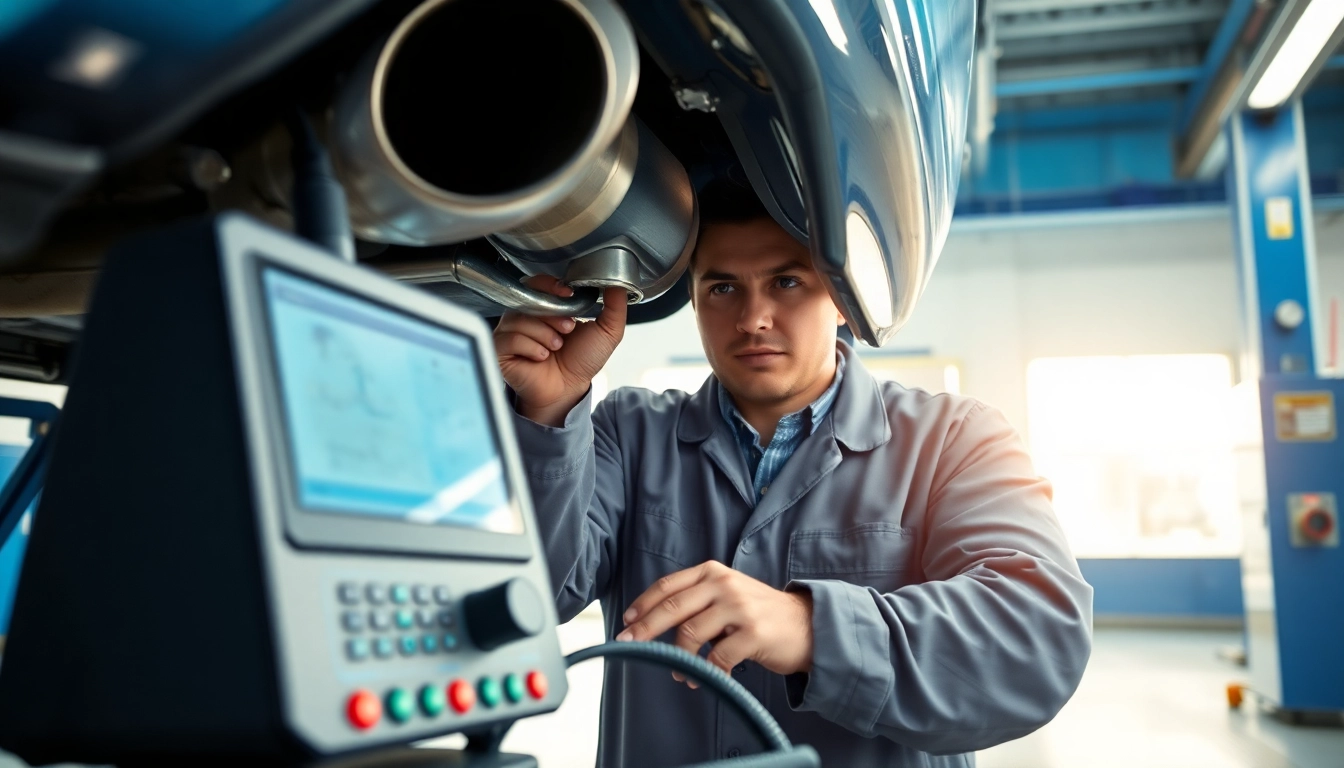
- Pre-Inspection: The technician may perform a basic visual inspection of the engine and exhaust components.
- Emission Testing: The actual testing may involve a dynamometer (to simulate driving conditions) or an onboard diagnostic check (OBD-II) to assess engine performance.
- Final Review: After completing tests, the technician will inform you of the results and any next steps.
Common Issues Found During Inspections
During smog checks, technicians frequently identify several common issues, including:
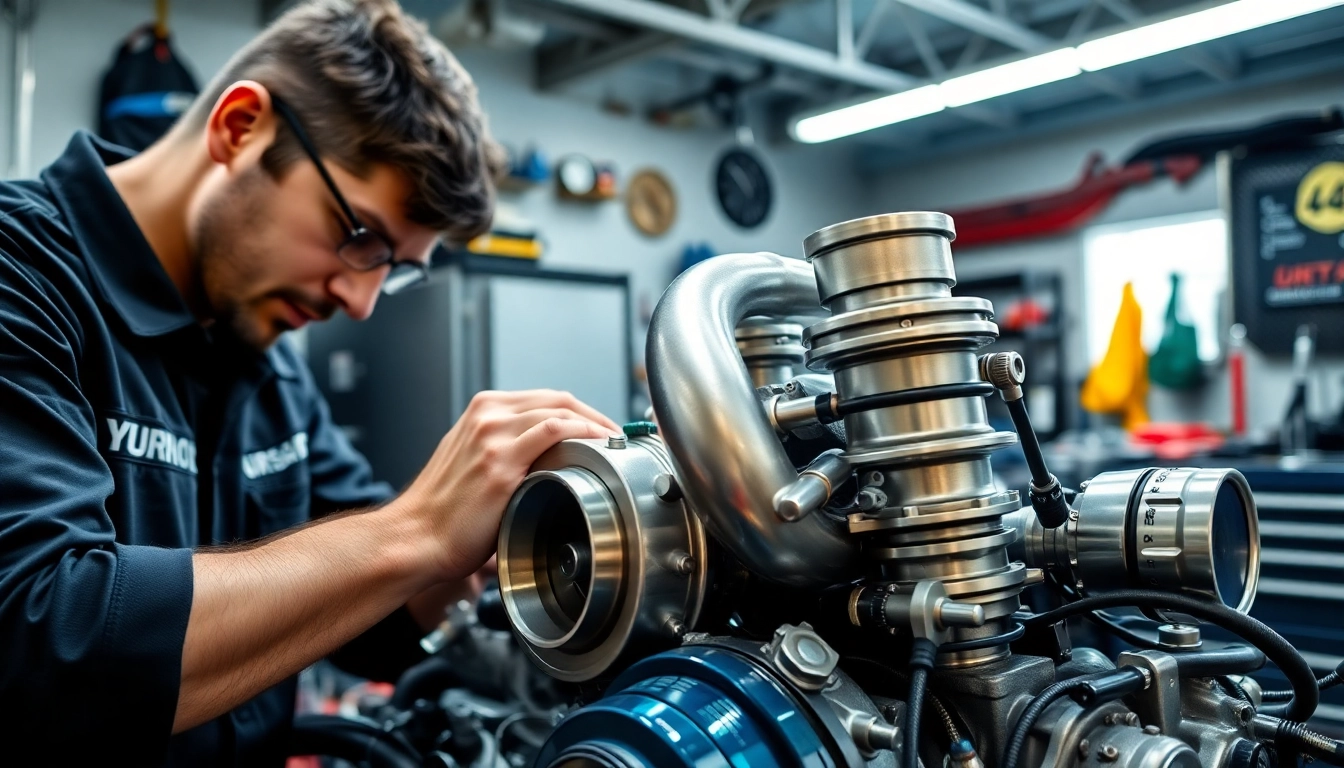
- Faulty Oxygen Sensors: A malfunctioning oxygen sensor can result in excessive emissions.
- Leaking Catalytic Converters: This component's failure can lead to significant increases in pollution.
- Worn Spark Plugs: Inefficient combustion in the engine can raise emissions levels.
Understanding Your Results
Your smog check results will typically indicate whether your vehicle has passed or failed. A failure means corrective actions must be taken before re-screening. Understanding emissions readings and any diagnostics provided can help you make informed repair decisions.
After Your Smog Check: Next Steps
What Happens if Your Vehicle Fails?
If your vehicle fails the smog check, you will be provided with a detailed report of the issues detected during the inspection. Here’s what you can do next:
- Address the Issues: Review the report and proceed with necessary repairs.
- Retesting: After making repairs, schedule a retest, as some regions allow a grace period for compliance.
Tips for Maintaining Emissions Compliance
To minimize future emissions violations, consider the following tips:
- Regular Maintenance: Schedule routine engine maintenance to address potential issues before they impact emissions.
- Monitor Fluid Levels: Keep oil, coolant, and other fluids at recommended levels to optimize performance.
- Post-Service Inspections: After repairs that might impact emissions, consider a pre-smog check to ensure compliance.
FAQs on Smog Check Regulations
What does a smog check involve?
A smog check examines vehicle emissions for pollutants and checks exhaust systems to ensure they meet local regulations.
How often do I need a smog check?
Typically, smog checks are required every two years, although frequency can vary based on local and state laws.
What are the fees for a smog check?
Fees for smog checks range from $15 to $50 depending on location, with extra charges for repairs if needed afterward.
Can I get a smog check done anywhere?
No, smog checks must be performed at certified stations. Verify certification before scheduling an appointment.
What should I do if my vehicle fails a smog check?
If you fail, address the reported issues as recommended by the inspection station and schedule a retest.