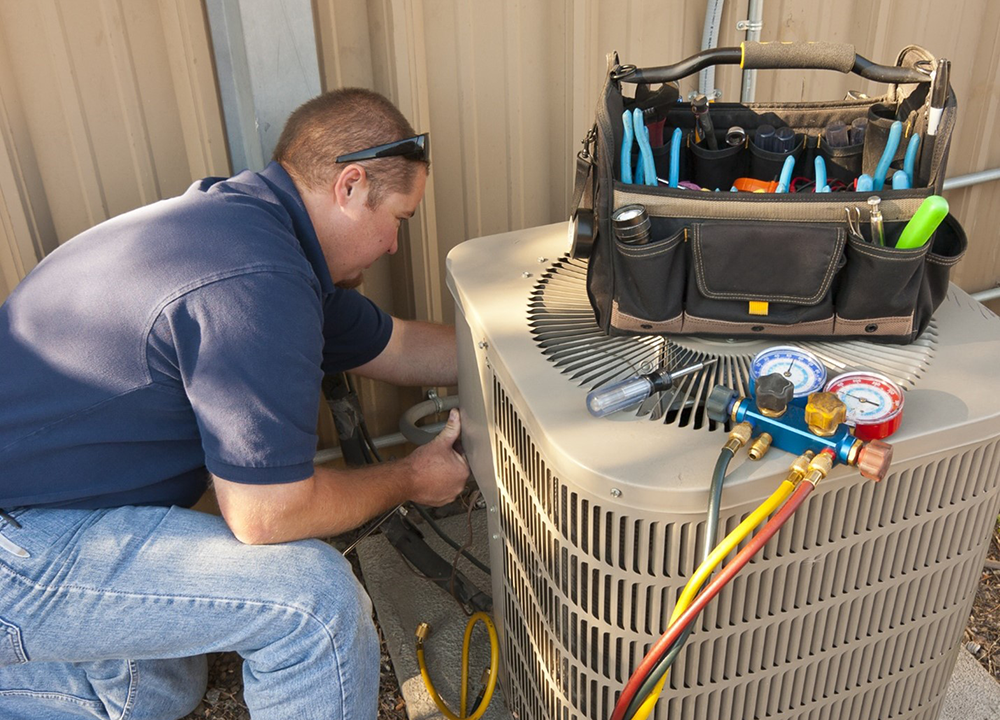
Understanding Emergency HVAC Repair Needs
When your heating, ventilation, and air conditioning (HVAC) system goes awry, it can create an uncomfortable and sometimes hazardous environment in your home. Understanding the signs and situations that necessitate emergency HVAC repair is crucial for ensuring your home remains a safe haven. In this article, we’ll explore the telltale signs that you need urgent HVAC help, delve into common issues, and help you decipher the complexities of HVAC system failures.
Signs You Need Emergency HVAC Repair
There are several indicators that you may need immediate HVAC assistance. Recognizing these signs can prevent further damage to your system and ensure your comfort and safety:
- Unusual Noises: Rattling, grinding, or hissing sounds can indicate mechanical failure, which requires urgent attention.
- Inadequate Heating or Cooling: If your system struggles to maintain the set temperature, it could signify a significant issue.
- Increased Energy Bills: A sudden spike in energy costs can indicate that your HVAC system is working harder than it should due to a malfunction.
- Foul Odors: Unpleasant smells, particularly those like burnt wires or rotten eggs, can indicate serious problems that require immediate evaluation.
- Water Leaks: Pools of water around your HVAC unit can point towards refrigerant leaks or drainage issues that should be seen to without delay.
Common HVAC Issues Requiring Immediate Attention
Multiple problems can lead to HVAC failures that require emergency repair. Here are some common issues to watch out for:
- Thermostat Malfunctions: If the thermostat isn’t functioning correctly, it can misread temperatures, causing overheating or excessive cooling.
- Refrigerant Leaks: A lack of refrigerant not only hampers cooling but can also harm the system overall.
- Faulty Blower Motors: A malfunctioning blower motor can prevent air from circulating effectively, leading to system failure.
- Electrical Failures: Issues with wiring or fuses can lead to a complete system shutdown, requiring immediate repair.
- Clogged Filters: Dirty filters can restrict airflow, forcing the system to overwork, which can lead to breakdown.
Understanding HVAC System Failures
A complete understanding of HVAC system failures can help homeowners grasp the potential causes behind their heating or cooling issues. Here are key points to consider:
- The design of HVAC systems makes them prone to wear over time. Components can corrode or malfunction due to age and lack of maintenance.
- Environmental factors, such as humidity and temperature fluctuations, play a significant role in system performance and longevity.
- Regular maintenance can significantly reduce the risk of emergency situations, as minor issues can be addressed before they escalate into major failures.
Preparing for an HVAC Emergency
Being prepared for an emergency can make all the difference when HVAC issues arise. Here are steps to help you handle such situations effectively:
Key Steps to Take Before an Emergency Occurs
Preparation is key. Here are steps you can put in place to help mitigate HVAC emergencies:
- Schedule Regular Maintenance: Regular check-ups can help identify potential issues before they become urgent problems.
- Know Your System: Familiarize yourself with your specific HVAC system, its functions, and common issues.
- Emergency Contacts: Keep a list of reliable HVAC professionals handy, including contact information for emergencies.
Essential Tools and Resources
Equipping yourself with the right tools and knowledge can aid in quick action during an HVAC emergency:
- Thermometer: Useful for measuring temperature discrepancies.
- Basic Tool Kit: A toolkit with pliers, screwdrivers, and wrenches can help in minor adjustments.
- HVAC Manuals: Having the manuals for your system can provide valuable troubleshooting information.
Creating a Home Emergency Plan
A dedicated emergency plan can streamline actions during an HVAC crisis:
- Designate Roles: Assign family members specific roles based on their capabilities. For instance, someone could monitor the system while another calls for emergency repairs.
- Identify Local Resources: Aside from HVAC repair technicians, know where to find emergency shelters or heating assistance programs.
- Practice Your Plan: Run through your plan with your family to ensure everyone understands their responsibilities.
Finding the Right Professionals for Emergency HVAC Repair
Knowing how to find the right HVAC professionals can drastically affect the quality of service you receive. Here are some tips to guide you:
What to Look for in an HVAC Technician
When seeking out an HVAC technician for emergency repairs, look for the following qualifications:
- Licensing and Certification: Ensure they hold valid licenses and certifications relevant to HVAC work.
- Experience: Choose technicians with significant industry experience, particularly with your specific HVAC brands and models.
- Insurance: Verify that they carry liability insurance to protect you in case of accidents during repairs.
Questions to Ask Potential Contractors
Engage with potential contractors through key questions to ensure you have the right fit:
- What is your service response time? Ask about their average time to respond to emergency calls.
- Do you offer warranties? Inquire whether they provide warranties for parts and labor.
- Can you provide references? Requesting references can give insight into the contractor's reliability and skill.
Checking Credentials and Reviews
Before committing, it's vital to research the background of potential HVAC technicians:
- Online Reviews: Browse customer reviews on reputable platforms to gauge satisfaction levels and common issues.
- Better Business Bureau (BBB): Check their BBB rating and any complaints filed against them.
- Social Media: Look for testimonials and feedback on their social media platforms.
Steps to Take During an HVAC Emergency
During an HVAC emergency, it’s essential to act promptly and effectively. Here are detailed steps to follow:
Immediate Actions to Mitigate Damage
When you first notice an HVAC issue, take these immediate actions to protect your home:
- Turn Off the System: If you suspect a serious problem, power down the HVAC system to avoid further damage.
- Avoid DIY Repairs: Attempting repairs can worsen issues; it’s best to wait for a professional.
- Document the Problem: Take notes and photos of the situation to aid the technician during their assessment.
When to Call for Help
Recognizing when it’s time to seek professional help is crucial:
- If you smell gas or burning, evacuate immediately and call emergency services.
- Continuous operation of the HVAC system without effective heating or cooling signals a need for professional evaluation.
- In the event of water leakage, ensure your safety first and seek immediate help to prevent water damage.
How to Communicate with Your HVAC Technician
Effective communication with your technician can streamline the process:
- Be Detailed: Provide as much information as possible regarding symptoms, sounds, or odors.
- Ask for Professional Assessment: Be open to their analysis and recommendations instead of insisting on a specific solution.
- Discuss All Options: Ensure you discuss repair versus replacement options, weighing costs and warranties.
Post-Emergency Actions and Maintenance
After an emergency HVAC repair, your responsibility doesn’t end there. Here’s what you should do next:
What to Do After Emergency HVAC Repair
Following repair work, ensure that you:
- Conduct a System Check: Monitor the system for a few days after repair to ensure it's functioning correctly.
- Keep Documentation: Maintain records of the repair for future reference, especially if you experience similar issues.
- Provide Feedback: Offer feedback to your technician or company regarding your experience, which can improve their services.
Preventive Maintenance Tips
To minimize the risk of future emergencies, implement these preventive maintenance strategies:
- Regular Filter Changes: Replace HVAC filters every 1-3 months to ensure proper airflow.
- Scheduling Seasonal Check-ups: Have professionals inspect your HVAC system at least twice a year.
- Monitor Thermostat Settings: Regularly check and calibrate your thermostat to maintain efficiency.
Monitoring Your HVAC System Performance
Being proactive includes keen observation of system performance:
- Track Energy Bills: Keep tabs on energy usage and address any unexplained increases with your technician.
- Listen for Unusual Sounds: Be attentive to changes in noise levels while the system operates; abnormal sounds warrant immediate inspection.
- Maintain Clear Venting: Ensure vents and ducts are unobstructed to promote optimal airflow.
Frequently Asked Questions
What constitutes an HVAC emergency?
An HVAC emergency is often defined by failure to provide heating or cooling, unusual noises, unpleasant odors, or leaks, indicating immediate attention is required.
How fast should I respond to HVAC issues?
Immediate response is crucial. Turn off the system and contact a professional as soon as you notice unusual signs of malfunction.
Can I prevent HVAC emergencies?
Yes! Regular maintenance, filter changes, and monitoring system performance can significantly reduce the risk of emergency situations.
What should I do if my HVAC breaks down at night?
Turn off the system and check for gas odors or unusual noises. If safe, call your emergency HVAC repair professional immediately.
How can I choose the right HVAC repair service?
Look for licensed, certified professionals with strong reviews, relevant experience, and a solid track record of emergency service reliability.