Understanding Gardening Basics
Gardening is more than just a hobby; it's an art that combines science, creativity, and patience. Whether you're a novice in the gardening world or someone looking to enhance your skills, understanding the foundational aspects of Gardening can lead to a more fulfilling experience. In this comprehensive guide, we'll explore the essentials of successful gardening, covering everything from the benefits of planting to strategies for overcoming common challenges.
Defining Gardening and Its Benefits
At its core, gardening involves cultivating plants—vegetables, fruits, flowers, and herbs—within a defined space. The advantages of gardening extend beyond aesthetic enjoyment; it offers numerous health, environmental, and emotional benefits:
- Physical Health: Gardening can be a great form of physical exercise, helping to improve strength, stamina, and flexibility.
- Mental Wellness: Spending time in nature has been shown to reduce stress and anxiety issues, enhancing overall happiness.
- Environmental Impact: Gardening promotes biodiversity and contributes to the health of the ecosystem by supporting local wildlife.
- Nutrition: Growing your own fruits and vegetables can lead to better dietary habits and fresher, organic food choices.
- Community Engagement: Gardening often brings people together, fostering community spirit through shared spaces and collaborative projects.
Essential Tools for Successful Gardening
Equipping yourself with the right tools is vital for efficient gardening. Here is a list of essential tools that every gardener should consider:
- Shovel: Necessary for digging holes, turning soil, and planting.
- Hand Trowel: Great for transplanting seedlings and digging small holes.
- Pruning Shears: Important for trimming and shaping plants.
- Rake: Useful for leveling the ground and clearing debris.
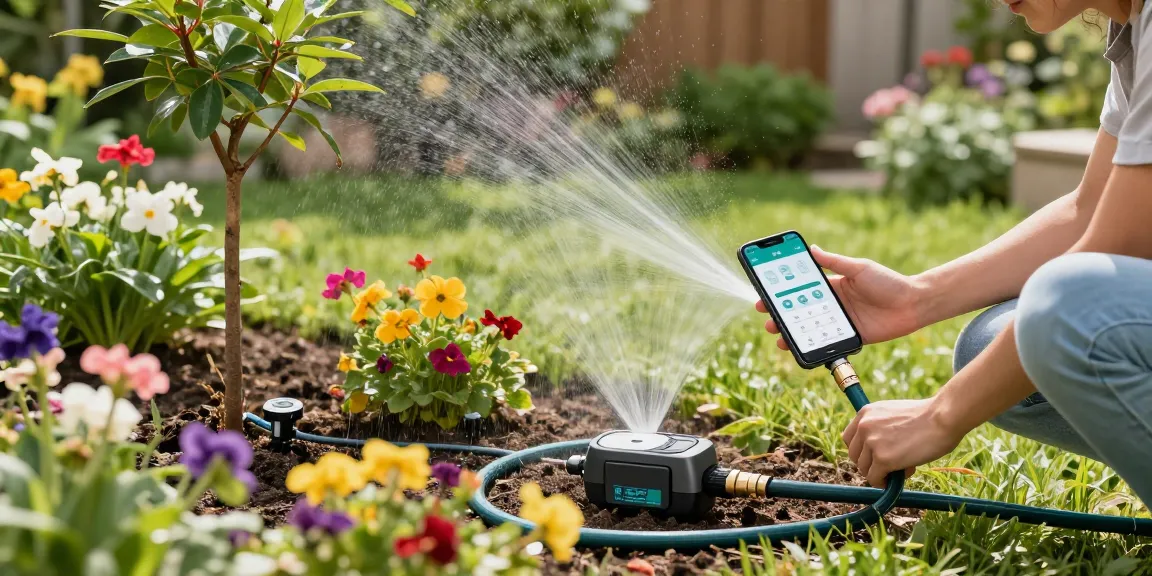
- Watering Can or Hose: Crucial for maintaining plant hydration.
- Garden Gloves: Protect your hands from thorns, splinters, and dirt.
Choosing the Right Location for Your Garden
The success of your garden largely depends on its placement. Consider these factors when selecting a location:
- Sunlight: Most plants require at least 6-8 hours of direct sunlight per day.
- Accessibility: Ensure that your garden is easily reachable for maintenance and harvesting.
- Drainage: Choose a spot with good drainage to prevent waterlogging, which can harm plant roots.
- Proximity to Water: Being close to a water source can simplify irrigation.
Preparing Your Garden Space
Soil Types and Preparation Techniques
The soil is the foundation of your garden, offering nutrients, support, and moisture to plants. Understanding different soil types can help you prepare and treat your garden effectively:
- Sandy Soil: Drains quickly but has low nutrients; amend with organic matter.
- Clay Soil: Retains moisture but can be hard to work with; improve drainage with compost.
- Silty Soil: Fertile and retains moisture; easy to cultivate but may require drainage improvements.
- Loamy Soil: Ideal mix of sand, silt, and clay; rich in nutrients and easy to manage.
Before planting, it’s crucial to prepare your soil by testing for pH and nutrient content. Adding compost can significantly enhance soil quality, providing a diverse range of nutrients to your plants.
Planning Your Garden Layout
A well-thought-out garden layout is essential for maximizing space and ensuring healthy plant growth. Here are key considerations for your design:
- Space: Allocate adequate space between plants to avoid overcrowding and competition for resources.
- Plant Height: Position taller plants to the north of shorter ones to prevent shading.
- Companion Planting: Research beneficial plant partnerships that can enhance growth and pest control.
- Pathways: Create clear paths for easy access without trampling on soil or plants.
Choosing Plants that Thrive in Your Climate
Every garden is unique due to its local climate. Researching the specific climate conditions in your area can help you select the best plants for your garden. Consider:
- Hardiness Zone: Know your USDA hardiness zone to choose appropriate plants.
- Native Species: Opt for native plants that are adapted to your climate and require less water and care.
- Seasonal Considerations: Plant according to seasonal changes and the specific growing conditions of each season.
- Growth Cycle: Understand the life cycle—annual versus perennial plants—and select according to your gardening goals.
Cultivating Your Garden
Watering and Nutritional Needs of Plants
Proper watering and nutrition are pivotal to plant health. A few strategies include:
- Watering Regimen: Water early in the morning or late in the evening to minimize evaporation.
- Mulching: Apply mulch around plants to retain moisture and suppress weeds.
- Fertilization: Regularly test soil and provide necessary amendments, including organic fertilizers.
- Plant Monitoring: Observe plants regularly for signs of distress, such as drooping leaves, which can signal underwatering or overwatering.
Techniques for Seasonal Planting
Different seasons offer varied opportunities for planting. Seasonal techniques help you adapt your gardening strategy:
- Spring Planting: Focus on planting cool-weather crops like peas and lettuce.
- Summer Planting: Summer is great for heat-loving plants such as tomatoes and peppers.
- Fall Planting: Fall is excellent for harvesting and starting perennials and winter crops like kale.
- Winter Preparation: Utilize winter for soil enrichment and planning for future gardening seasons.
Maintaining Soil Health and Diversity
Healthy soil is the backbone of successful gardening. Here are practices to maintain and improve soil vitality:
- Crop Rotation: Rotate crops yearly to prevent nutrient depletion and reduce pest build-up.
- Composting: Return plant waste to the soil to enhance organic matter and promote microbial activity.
- Cover Crops: Use cover crops to prevent erosion and maintain soil structure during off-seasons.
- Soil Testing: Regularly conduct soil tests to monitor nutrient levels and pH balance.
Dealing with Challenges in Gardening
Identifying Common Garden Pests
Garden pests can threaten the health of your plants. Common pests include:
- Aphids: Tiny, green insects that suck plant sap.
- Spider Mites: Microscopic pests that cause stippling on leaves.
- Japanese Beetles: Disrupt plant foliage by feeding on leaves.
- Slugs and Snails: These creatures can create significant damage at night.
Monitoring plants regularly for signs of infestation is crucial for timely intervention.
Natural Remedies for Pest Control
Instead of reaching for harmful chemicals, consider natural pest control options:
- Neem Oil: A plant-based pesticide that disrupts insect growth.
- Insecticidal Soap: Effective against soft-bodied insects and gentle on plants.
- Beneficial Insects: Introduce ladybugs and lacewings to your garden to prey on aphids.
- Companion Planting: Certain plants can repel pests; for example, marigolds are known to deter nematodes.
Understanding Weather Impact on Gardening
Weather plays a significant role in gardening success. Learn how to adapt:
- Frost Management: Use frost blankets to protect sensitive plants during unexpected frosts.
- Heat Protection: Provide shade or mulch during extreme heat to prevent plant stress.
- Rain Management: Ensure proper drainage to avoid waterlogging during heavy rainfall.
- Seasonal Adjustments: Modify planting schedules based on projected weather patterns.
Maximizing Your Gardening Success
Harvesting Techniques for Maximum Yield
Harvesting is a rewarding part of gardening. To maximize your yield, consider these techniques:
- Time of Day: Harvest in the morning for the freshest produce.
- Gentle Handling: Handle produce carefully to prevent bruising.
- Checking Ripeness: Familiarize yourself with signs of maturity for each plant type.
- Storing Properly: Learn proper storage techniques to prolong freshness after harvesting.
Seasonal Gardening Tips for Year-Round Growth
To ensure your garden thrives throughout the year, consider the following seasonal strategies:
- Grow Lights: Utilize grow lights during shorter daylight months to support plant growth.
- Indoor Gardening: Consider indoor plants or herbs to maintain gardening during winter.
- Fall Cleanup: Prepare for winter by cleaning out debris and mulching.
- Early Spring Planning: Start seeds indoors in late winter to get a head start for spring gardening.
Building a Community Around Gardening
Gardening is not just a solitary task; building a community can enhance your experience:
- Join Community Gardens: Collaborate with fellow gardeners while sharing resources and knowledge.
- Participate in Local Events: Attend gardening expos, fairs, and workshops in your area.
- Online Forums: Engage in online gardening communities to exchange tips and success stories.
- Start a Gardening Group: Organize or join a local gardening club to meet regularly and learn from each other.