Introduction to Gardening: Understanding the Basics
What is Gardening?
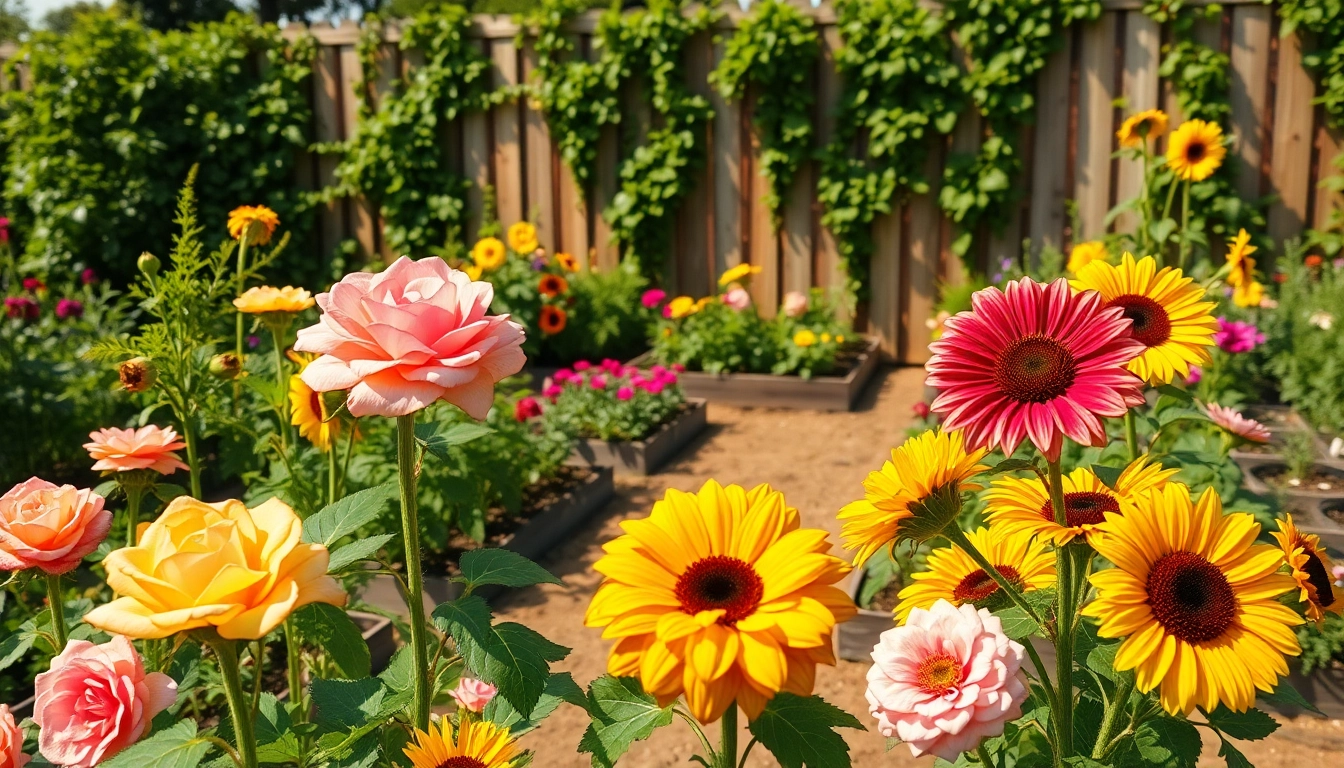
Gardening is the art and science of growing and cultivating plants. It encompasses a wide range of activities, from nurturing vegetables and fruits to designing intricate floral displays. At its core, Gardening reflects a deep connection between humans and nature, providing not just sustenance and beauty but also a therapeutic escape from the stresses of daily life.
Benefits of Gardening for Your Well-being
Engaging in gardening offers numerous physical, mental, and emotional benefits. For starters, maintaining a garden requires physical activity, which can help improve strength, stamina, and flexibility. Studies have shown that spending time in green spaces reduces stress, anxiety, and depression while boosting mood and emotional well-being. Moreover, the act of nurturing plants fosters a sense of responsibility and achievement, cultivating a deeper appreciation for nature and our role within it.
Essential Tools and Equipment for Successful Gardening
To embark on your gardening journey, having the right tools is crucial. Essential gardening tools include:
- Shovels: For digging and turning soil.
- Rakes: Used to level soil and gather debris.
- Pruners: Essential for trimming and shaping plants.
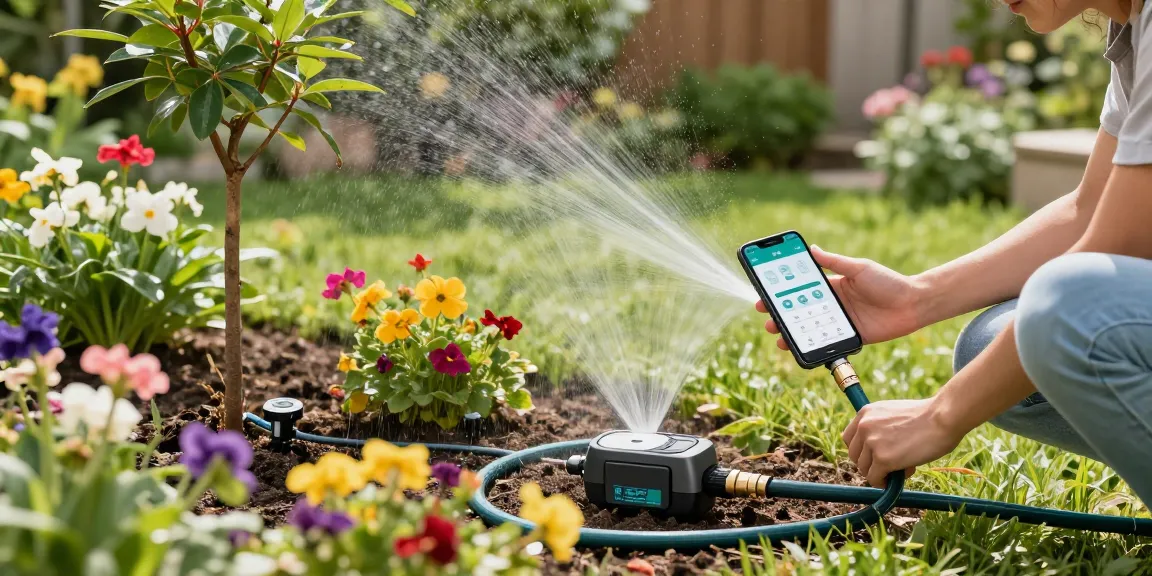
- Watering cans and hoses: For efficient watering.
- Gardening gloves: To protect your hands from thorns and dirt.
Having quality tools will not only make gardening tasks easier but also enhance the overall gardening experience.
Planning Your Garden: Key Considerations
Choosing the Right Location for Your Garden
Successful gardening starts with choosing the right location. When selecting a site, consider sunlight exposure, drainage, and proximity to water sources. Most plants require at least six to eight hours of direct sunlight a day, so identifying a location that receives adequate light is crucial. Additionally, ensure good soil drainage to prevent root rot; raised beds can be a great solution for areas with poor drainage.
Soil Preparation: The Foundation of Gardening
The importance of soil for gardening cannot be overstated. Healthy soil provides the nutrients and support plants need to thrive. Begin by testing your soil to understand its pH levels and nutrient content. Based on the results, amend your soil with organic matter, such as compost, to improve its fertility and structure. Tilling the soil also aerates it, promoting better root development and moisture retention.
Selecting Plants Based on Climate and Conditions
Understanding your climate is essential for selecting the right plants. Research native plants that thrive in your local conditions, as they typically require less maintenance and are more resilient to local pests and diseases. When selecting plants, consider their mature size, growth habits, and light requirements to ensure a well-balanced garden that flourishes.
Planting Techniques: Start Your Gardening Journey
Seed Selection: Types and Timing for Gardening
Choosing the right seeds is vital for a successful garden. Start by considering the types of plants you'd like to grow—vegetables, herbs, or flowers. Research the best time to sow seeds in your area, as this can significantly impact germination rates and plant health. It’s advisable to start seeds indoors if you live in an area with a shorter growing season, allowing for a head start on the garden.
Effective Planting Methods and Layouts
Strategically planning your garden layout ensures optimal growth and ease of maintenance. Common planting methods include:
- Row planting: Ideal for larger gardens, allowing for easy access and management.
- Square foot gardening: A compact method that maximizes space by dividing the garden into square foot sections, ideal for small areas.
- Container gardening: Perfect for those with limited space, allowing plants to thrive in pots or raised beds.
Each method carries its advantages and challenges, so choose the one that aligns with your garden goals and available resources.
Maintenance Essentials: Watering, Weeding, and Fertilizing
Once your plants are in the ground, ongoing maintenance is essential for their success. Regular watering schedules promote healthy growth, especially during dry spells. Weeding is another crucial task, as weeds compete with your plants for nutrients and water; thus, frequent weeding will keep your garden thriving. Additionally, fertilizing your plants according to their specific needs ensures they receive the vital nutrients necessary for growth, flowering, or fruiting.
Pest and Disease Management in Gardening
Identifying Common Pests and Diseases
A successful gardener must be vigilant about potential pests and diseases. Common pests like aphids, slugs, and spider mites can wreak havoc on plants if left unchecked. Familiarizing yourself with the common signs of infestations, such as wilting leaves or discolored plants, will aid you in early detection and treatment.
Organic Solutions for Pest Control
Organic gardening practices focus on sustainable and eco-friendly solutions for pest control. Options include:
- Neem oil: An organic pesticide that disrupts pest growth and reproduction.
- Insecticidal soaps: Effective against soft-bodied insects like aphids and mealybugs.
- Beneficial insects: Introducing ladybugs or lacewings can keep pest populations under control naturally.
Preventative Measures to Protect Your Garden
Prevention is always better than cure when it comes to pests and diseases. Implement strategies such as crop rotation to disrupt pest life cycles and enhance soil health. Additionally, cultivating a diverse garden with various plants can attract beneficial organisms that naturally control pest populations. Regular inspections and early interventions are pivotal in maintaining garden health and vibrancy.
Advanced Gardening Concepts: Elevate Your Skills
Companion Planting for Enhanced Growth
Companion planting involves pairing plants that benefit each other, enhancing growth and deterring pests. For instance, planting marigolds alongside vegetables can repel nematodes, while growing basil near tomatoes can improve their flavor. Understanding plant relationships can significantly boost your garden's productivity and resilience.
Sustainable Gardening Practices for the Eco-conscious
As sustainability becomes increasingly vital in our world, adopting eco-friendly practices in gardening is essential. Consider using organic materials for enriching soil, rainwater harvesting systems for irrigation, and employing permaculture principles to create self-sustaining ecosystems. These practices not only reduce your environmental impact but also contribute to the overall health of your garden.
Seasonal Gardening: Preparing for Each Season
Gardening is a year-round endeavor, with each season presenting unique tasks and opportunities. Spring is typically associated with planting and sowing, while summer focuses on nurturing and harvesting. Fall is the time for cleaning up and preparing for winter, including planting cover crops that benefit the soil. Understanding seasonal rhythms helps gardeners plan effectively, ensuring continued growth and productivity.