Understanding Contemporary Furniture Trends
Defining Contemporary Furniture
Contemporary furniture refers to the current design trends that reflect today's lifestyle. It is often characterized by sleek lines, functional aesthetics, and a blend of form and function. Unlike traditional furniture that focuses on historical styles, contemporary furniture adapts to the evolving tastes of modern society. This adaptability allows for integration into various home environments, making it a popular choice for many homeowners. The essence of contemporary furniture is to present a clean, uncluttered look, while still offering comfort and practicality.
Key Features of Contemporary Furniture
Key features of contemporary furniture include:
- Minimalism: Embracing a 'less is more' approach, contemporary designs often avoid excessive ornamentation.
- Functional Design: Each piece is crafted for utility, ensuring that furniture not only looks good but serves a purpose.
- Use of Natural Materials: Contemporary pieces often utilize wood, metal, glass, and sustainable materials.
- Neutral Color Palettes: Shades of white, beige, gray, and black often dominate, providing a versatile backdrop for bold decor.
- Unexpected Shapes: Curves and abstract shapes challenge conventional designs, offering unique aesthetics.
Popular Styles and Aesthetics
Contemporary furniture isn't just one style; it encompasses various trends. Here are a few popular styles:
- Scandinavian: Known for its simplicity, functionality, and natural materials.
- Industrial: Characterized by raw materials, exposed structures, and a rustic feel.
- Mid-Century Modern: A blend of modern aesthetics with classic designs, often using vibrant colors.
- Eclectic: This style mixes different elements, patterns, and colors for a personalized touch.
Choosing the Right Pieces for Your Home
Identifying Your Space Needs
Before selecting contemporary furniture, evaluate your space. Measure dimensions to ensure that selected pieces will fit comfortably without crowding. Consider the flow of movement; furniture should facilitate easy navigation throughout a room. Think about how each space will be used, keeping functionality in mind.
Balancing Functionality and Style
Striking the right balance between style and functionality is crucial in contemporary design. Look for versatile pieces that can adapt to various needs, like a coffee table that doubles as storage. Prioritize quality furniture that suits your lifestyle without compromising on aesthetics.
Color Schemes and Material Choices
When choosing colors and materials, consider both the overall theme of your home and current trends. Neutral tones can serve as a perfect base, while colorful accents can be introduced through accessories. Opt for materials such as leather, organic textiles, and sustainably sourced woods to enhance the contemporary look.
Incorporating Contemporary Furniture into Various Rooms
Designing a Modern Living Room
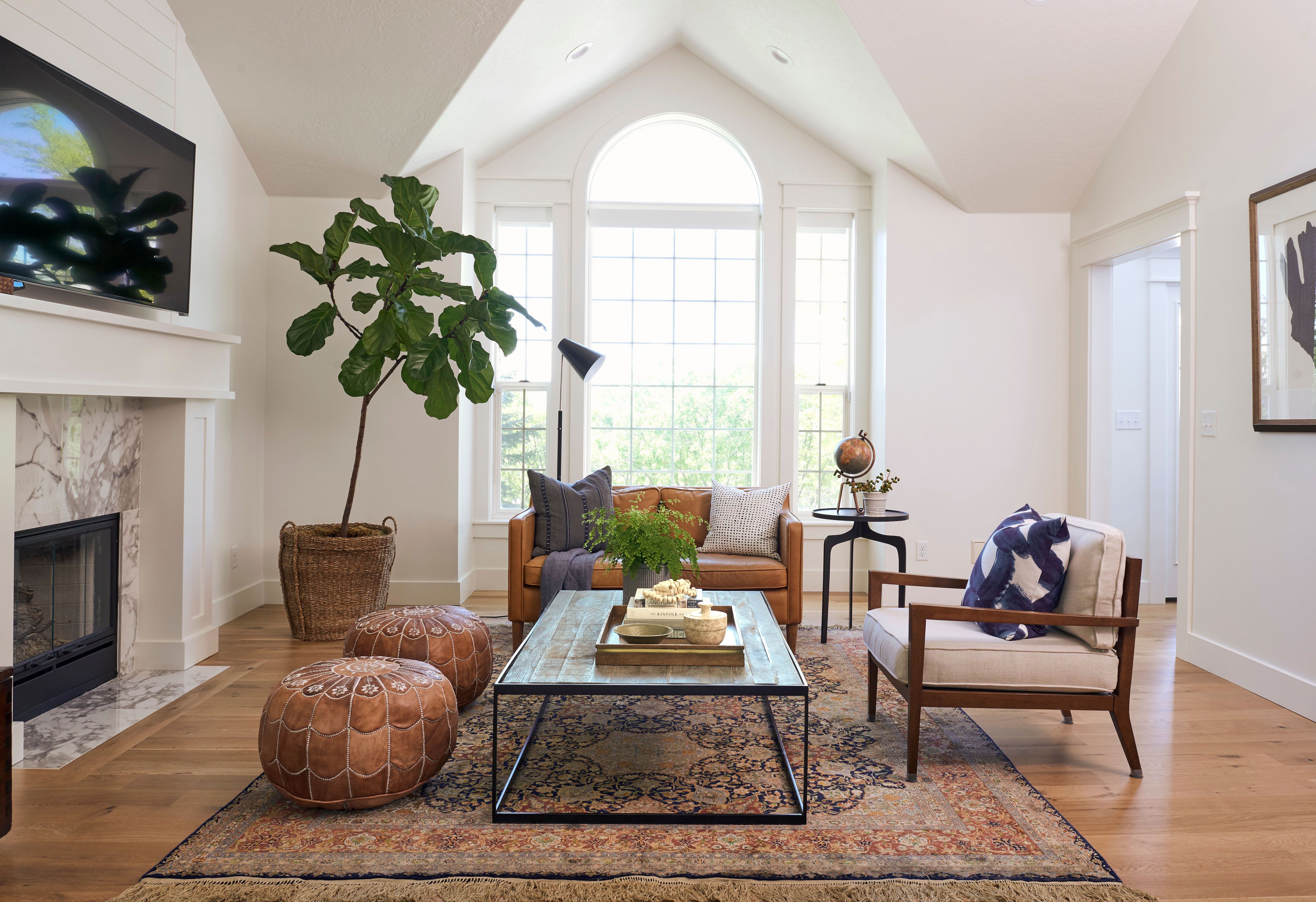
The living room should be a welcoming space reflecting your style. Emphasize comfort with a modular sofa that invites relaxation. Pair a sleek coffee table with decorative elements like books or art, maintaining a minimalist aesthetic. Choose accent chairs that complement your main seating while adding character to the room.
Creating a Functional Workspace
In today’s world, a dedicated workspace is essential, even in small homes. Look for contemporary desks that harmonize with your aesthetic and provide sufficient surface area for work. Utilize storage solutions like shelving units or cabinets that blend seamlessly into the overall decor.
Transforming Your Bedroom with Modern Touches
Your bedroom should be a sanctuary. Select a platform bed with sleek lines and pair it with bedside tables that feature clean designs. Choose bedding and decor that align with contemporary color palettes, ensuring comfort while maintaining style. An accent chair or a unique light fixture can also enhance the modern look of your bedroom.
Maintenance Tips for Contemporary Furniture
Cleaning and Care Guidelines
Regular maintenance is vital for preserving the aesthetic of contemporary furniture. For fabric, vacuum frequently and treat stains immediately. Wood surfaces can be wiped with a damp cloth and a mild cleaner to avoid damage. Always refer to manufacturer guidelines for specific care instructions.
Preventing Wear and Tear
To ensure longevity, place furniture away from direct sunlight, as UV exposure could fade colors. Utilize coasters and placemats to prevent scratches on tables and surfaces. Regularly check for loose joints or hardware to maintain stability and safety.
Restoring Vintage Contemporary Pieces
Vintage contemporary furniture can add character but may require restoration. Start by cleaning the piece thoroughly; for wooden surfaces, consider refinishing to bring back its original luster. Seek professional help for complex repairs or re-upholstering to maintain the piece's integrity.
Frequently Asked Questions about Contemporary Furniture
What defines contemporary furniture?
Contemporary furniture embodies current design trends, focusing on minimalist aesthetics, functional design, and versatility, making it adaptable to modern lifestyles.
How do I choose contemporary furniture for small spaces?
Prioritize multifunctional furniture, such as extendable tables or sofa beds. Opt for pieces with slim profiles to maintain a spacious feel without sacrificing style.
What materials are popular in contemporary furniture?
Common materials include wood, metal, glass, and eco-friendly composites. These materials enhance durability while contributing to the sleek appearance of contemporary designs.
Can I mix contemporary furniture with traditional styles?
Yes, mixing styles can create an eclectic look. Consider harmonizing colors and patterns for cohesion while allowing each style to shine in its unique way.
How do I care for my contemporary furniture?
Regularly clean surfaces with appropriate materials, avoid excessive direct sunlight, and use protective measures to maintain your contemporary furniture's condition over time.