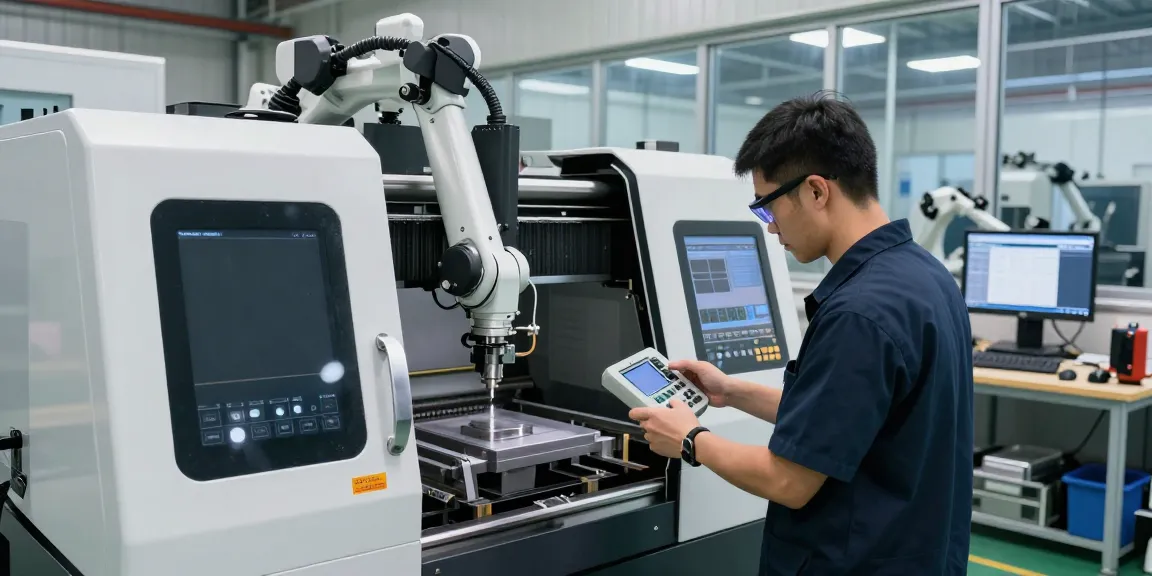
Understanding the Fundamentals of Warehousing
Warehousing plays a crucial role in the supply chain, providing businesses with the infrastructure necessary for efficient product storage, distribution, and inventory management. As industries evolve, so do the methods, technologies, and regulations surrounding warehousing. In this comprehensive guide, we will explore the essential elements of effective warehousing, delve into the challenges faced by the industry, and discuss the key technologies that are revolutionizing warehousing practices. To begin, it's important to clarify what constitutes effective warehousing.
What Constitutes Effective Warehousing?
Effective warehousing involves several key components, including streamlined processes, adequate technology, and skilled personnel. A warehouse must maximize space utilization while maintaining organization and minimizing waste. This includes implementing inventory management systems that allow for real-time tracking and automation to reduce human error. The overall layout and design of the warehouse should facilitate efficient movement, both of goods and personnel. Moreover, maintaining a good relationship with suppliers and retailers ensures that the warehouse can adapt quickly to changes in demand, thus enhancing performance.
The Importance of Location in Warehousing
The physical location of a warehouse can significantly influence its operational efficiency and cost-effectiveness. Proximity to key markets, suppliers, and transportation hubs reduces shipping times and costs. Areas with reliable infrastructure—such as highways, railroads, and ports—are optimal for reducing logistical complications. Understanding local regulations and labor markets is also essential; a well-situated warehouse can leverage a skilled workforce and mitigate compliance issues. Therefore, strategic location planning is key for maximizing the advantages of warehousing.
Challenges Faced in the Warehousing Industry
Despite advancements, the warehousing industry faces several challenges. Fluctuating demand due to economic shifts can lead to underutilized space or stock shortages. Supply chain disruptions, whether from natural disasters or economic factors, further complicate operations. Labor shortages can also hinder warehouse efficiency, as finding and retaining skilled workers remains a significant concern. To overcome these challenges, businesses must adopt flexible scaling strategies, invest in technology, and continuously train their workforce.
Key Technologies Transforming Warehousing
Technology is revolutionizing warehousing by enhancing operational efficiency and accuracy. Employing advanced technologies not only reduces costs but also leads to more agile and scalable warehouse operations. Let's delve into the technologies that are molding the future of warehousing.
Automation in Warehousing Processes
Automation is reshaping the warehousing landscape by streamlining processes and reducing labor costs. Automated guided vehicles (AGVs) and drones are now common, assisting in inventory management and order fulfillment. These technologies enhance speed and accuracy, ensuring that products are stored and picked without human error. Additionally, automated systems can continually monitor the warehouse for conditions such as temperature and humidity, ensuring optimal storage conditions for sensitive items.
Utilizing Warehouse Management Systems (WMS)
Warehouse Management Systems (WMS) are critical for efficient warehouse operations. A robust WMS helps businesses track inventory levels, manage orders, and streamline shipping processes. Features such as real-time tracking, queuing, and order allocation allow for more informed decision-making and better resource allocation. Furthermore, integrating WMS with existing Enterprise Resource Planning (ERP) systems enables seamless information flow across departments, improving overall operational coherence and performance.
The Role of Data Analytics in Warehousing
Data analytics is becoming a cornerstone for making informed decisions in warehousing. Analyzing operational data enables businesses to identify trends, optimize processes, and predict future demand. Employing predictive analytics can help warehouses prepare for fluctuations in stock levels and respond effectively to changes in market needs. Businesses can use this data to refine inventory management practices, forecast sales, and improve customer satisfaction by ensuring product availability.
Best Practices for Inventory Management in Warehousing
Effective inventory management is vital for improving warehouse efficiency and reducing operational costs. Implementing best practices for inventory management enhances performance and ensures that the warehouse can meet customer demands promptly.
Implementing Just-In-Time Inventory Strategies
The Just-In-Time (JIT) inventory strategy focuses on reducing inventory holding costs by receiving goods only as they are needed in the production process. By synchronizing deliveries with demand, warehouses can minimize excess stock and reduce the associated costs. This approach requires a solid relationship with suppliers and robust communication channels to ensure timely deliveries, making it fundamental for a responsive warehousing strategy.
Techniques for Efficient Stock Management
To effectively manage stock, warehouses should implement techniques such as FIFO (First In, First Out) and LIFO (Last In, First Out). Additionally, categorizing inventory into ABC analysis allows managers to prioritize items based on importance and value. Regularly updating inventory records through barcoding or RFID systems helps maintain accuracy. A systematic stock rotation can significantly reduce obsolescence and waste in the warehouse by ensuring older stock is sold first.
Importance of Regular Audits in Warehousing
Performing regular audits is crucial to maintaining the integrity of inventory records and ensuring operational efficiency. Audits help identify discrepancies between physical stock and recorded inventory, allowing businesses to take corrective action and minimize losses. Through cycle counting or full inventory audits, warehouses can maintain high accuracy rates, enabling better decision-making and inventory control.
Safety and Compliance in Warehousing
Safety and compliance are foundational elements in warehousing. Ensuring a safe working environment not only protects employees but also enhances efficiency. Understanding relevant regulations is key to maintaining compliance while fostering a culture of safety.
Understanding OSHA Regulations for Warehousing
The Occupational Safety and Health Administration (OSHA) establishes regulations designed to ensure safe working conditions. Warehousing businesses must familiarize themselves with regulations related to equipment use, ergonomics, and hazardous materials. Regular training and safety drills help cultivate an understanding among employees of these regulations, fostering a safe work environment and minimizing the risk of accidents.
Implementing Safety Protocols in Warehousing
Implementing strict safety protocols is essential for preventing accidents and injuries in the warehouse. Key protocols include clearly marking hazardous areas, ensuring the proper use and maintenance of equipment, and providing adequate personal protective equipment (PPE) for employees. Regularly reviewing and reenforcing these protocols through training programs ensures that safety remains a priority within the organization.
Training Techniques for Warehouse Staff Safety
Training employees on safety protocols is critical in reducing workplace accidents. Ongoing education on safe lifting techniques, hazard recognition, and emergency procedures must be part of the warehouse culture. Engaging employees in safety discussions and encouraging feedback on safety practices promotes a culture of safety and accountability.
Future Trends in Warehousing Efficiency
The warehousing industry must adapt to an ever-evolving landscape shaped by consumer needs, technological advancements, and environmental considerations. Understanding emerging trends helps warehousing operations stay competitive and efficient.
Emerging Trends Influencing Warehousing Practices
Emerging trends such as robotics, augmented reality (AR), and the Internet of Things (IoT) are beginning to influence warehousing significantly. Robotics can streamline processes while AR can enhance order picking efficiency by guiding workers visually. IoT devices can monitor conditions in real time, improving accuracy and responsiveness. Staying ahead of these trends is crucial for future success in warehousing operations.
The Impact of E-commerce on Warehousing
The rapid growth of e-commerce has revolutionized warehousing operations. Consumers expect faster delivery times, which requires warehouses to adopt more flexible and efficient processes. The need for quicker turnarounds leads to the exploration of micro-warehousing solutions and fulfillment centers closer to urban areas, enabling businesses to minimize shipping times and costs. Adjustments in warehousing operations to cater to e-commerce demands are essential for remaining competitive.
Preparing for the Future: Sustainability in Warehousing
As sustainability becomes a growing concern for businesses and consumers, the warehousing industry must embrace eco-friendly practices. This includes energy-efficient technologies, waste reduction strategies, and sustainable building materials. Implementing green initiatives not only helps the environment but can also improve the company’s reputation and reduce operational costs. Planning for long-term sustainability can lead to innovative practices that benefit both the warehouse and the broader community.
Frequently Asked Questions about Warehousing
What is warehousing?
Warehousing is the process of storing goods and products in a designated facility, allowing for inventory management and distribution as per demand.
What are the main types of warehouses?
Main types include public warehouses, private warehouses, distribution centers, and fulfillment centers, each serving different business needs.
How can I optimize my warehouse layout?
Optimize layout by using space efficiently, ensuring logical flow for goods, and considering equipment and staffing needs to minimize bottlenecks.
What technologies can improve warehouse efficiency?
Technologies such as Warehouse Management Systems (WMS), automation, robotics, and data analytics can greatly enhance warehouse efficiency.
Why is safety important in warehousing?
Safety is crucial in warehousing to minimize workplace accidents and injuries, ensuring a safe environment that protects employees and optimizes operations.