Understanding Cape Cod Home Architecture
Historical Background and Characteristics
The cape cod home is a style of architecture that traces its roots back to the early 17th century. Originating in New England, particularly in Cape Cod, Massachusetts, this architectural style emerged as a response to the harsh climate of the region. The design primarily features steep roofs to prevent the accumulation of snow, wide chimneys for efficient heating, and a simple yet functional aesthetic. Homes were originally built using local materials, reflecting the colonial settlers’ pragmatism. This historical background provides a rich context for understanding the evolution of Cape Cod homes into the classic designs we see today.
Distinctive Features of Cape Cod Homes
One of the hallmark features of Cape Cod homes is their symmetrical facade, often punctuated by dormer windows that add charm and additional sunlight to the upper levels. Typically, these homes are one to one-and-a-half stories, with a rectangular shape and a central front door flanked by multi-pane windows. Siding options vary, but natural wood and shingles are prevalent, contributing to the home’s rustic aesthetic while ensuring durability against the elements. The color palette usually includes cool, muted tones inspired by the coastal landscape, enhancing the homes’ integration with their surroundings. These elements combine to create an inviting, timeless quality that resonates with homeowners and visitors alike.
Popular Interior Design Trends
When it comes to interior design, Cape Cod homes reflect the tranquility of coastal life. Light, airy spaces are fundamental; thus, open floor plans often dominate the architecture, allowing natural light to flood in. White walls, wooden beams, and light-colored furniture create a serene atmosphere. Nautical themes, including marine colors, patterned fabrics, and decorative elements inspired by the sea, are popular within these spaces. Additionally, using sustainable materials for flooring and furnishings is increasingly trendy, aligning with eco-friendly practices while maintaining the classic Cape Cod charm. The focus is on creating spaces that are both functional and beautifully connected to the surrounding environment.
Planning Your Cape Cod Home Expansion
Assessing Space and Functionality
Before embarking on a home expansion project, assessing your existing space and determining functionality is crucial. Measure your current layout and identify areas that require enhancement or additional space. Think about how your lifestyle needs have evolved; this might include adding a family room for gatherings or creating a serene home office. Engaging with a skilled architect specializing in Cape Cod designs can offer insights into maximizing space while staying true to the architectural style. Consider incorporating flexible spaces that serve multiple purposes, which is particularly beneficial for smaller homes.
Design Elements to Consider
When planning your expansion, design elements should mirror the existing architecture to ensure cohesion. This might involve sticking to traditional elements like steep roofs, symmetrical designs, and wooden shingles. However, modern conveniences such as large, energy-efficient windows can be incorporated without compromising aesthetics. Thoughtful outdoor spaces, like decks or patios, provide opportunities for seamless indoor-outdoor living, enhancing the home’s usable area while inviting nature in.
Permitting and Regulations Simplified
Expanding a cape cod home comes with its fair share of legal nuances, including local zoning laws and building codes. It’s essential to research and understand these regulations before beginning a project. Generally, you may need to obtain a permit if you are altering the structural framework or extending your home’s footprint. Working closely with your architect or contractor can help navigate these complexities, ensuring all paperwork is handled appropriately, which helps avoid delays and potential fines during your home expansion journey.
Choosing the Right Materials for Your Cape Cod Home
Creative Use of Wood and Shingles
Wood and shingles are staples in cape cod home construction, and selecting the right type can significantly affect aesthetics and durability. Cedar, in particular, is a popular choice for shingles due to its resistance to moisture and pests. New treatments for wood allow it to maintain its natural look while withstanding the rigors of coastal weather. Additionally, using reclaimed wood can enhance your home’s character while promoting sustainable practices. Whether re-siding or adding to existing structures, the thoughtful application of these materials can fortify the home against the elements and age gracefully over time.
Eco-Friendly Material Options
Homeowners today are increasingly conscientious about their environmental impact, and this is reflected in material choice. Eco-friendly options include recycled vinyl siding, energy-efficient windows, and sustainable wood sourced from responsibly managed forests. Composite materials offer another alternative, combining wood and synthetic materials that mimic natural wood without the maintenance challenges. Emphasizing sustainability not only benefits the environment but can also enhance the value of your cape cod home, appealing to the growing market of eco-conscious buyers.
Weather Durability Considerations
The Cape Cod region’s coastal climate necessitates materials built to endure harsh weather conditions. This means choosing materials that resist moisture, strong winds, and UV exposure. For exteriors, opt for high-quality cedar shingles or fiber cement siding that mimics the traditional look while offering superior endurance. Roof materials should be sturdy; asphalt shingles are common but consider metal roofing for longevity and resilience against extreme weather. Investing in durability means fewer repairs and lower maintenance costs in the long run, allowing your home to withstand the test of time and nature.
Landscaping Ideas Around Your Cape Cod Home
Creating Inviting Outdoor Spaces
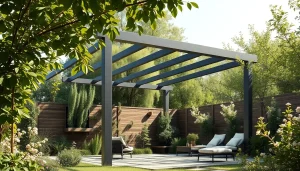
Landscaping plays a critical role in enhancing the beauty and functionality of your cape cod home. Start by defining outdoor living spaces through well-placed pathways, patios, or decks that seamlessly integrate with your home’s style. Incorporating native plants can create a lush, vibrant environment requiring minimal maintenance while promoting local biodiversity. Other elements, such as outdoor furniture, fire pits, or garden benches, invite family and friends to enjoy the natural surroundings, enhancing the charm of your outdoor space.
Implementing Sustainable Practices
As with interior design choices, incorporating sustainable landscaping practices is essential in today’s environmental landscape. Rain gardens can help manage water runoff and create a natural habitat for local wildlife. Choosing drought-resistant plants not only conserves water but also minimizes maintenance efforts. Furthermore, utilizing mulch can help retain soil moisture and reduce weed growth. By fostering an eco-conscious landscape, you contribute positively to your environment while enhancing the aesthetic appeal of your property.
Seasonal Planting Ideas
Selecting the right plants for seasonal interest ensures that your landscape remains alive and vibrant throughout the year. In spring, consider planting flowering shrubs, like hydrangeas, which thrive in the coastal climate. Summer might feature colorful perennials such as daylilies and black-eyed Susans. For fall interest, incorporate ornamental grasses that can sway gracefully in the breeze while adding texture. Finally, evergreen plants bring structure and greenery in winter, making your cape cod home attractive regardless of the season.
Maintaining Your Cape Cod Home
Seasonal Maintenance Checklist
Regular maintenance is crucial for preserving the beauty and longevity of your cape cod home. Seasonal maintenance should include checking the roof for damage, cleaning gutters, and inspecting siding for rot or pests. In summer, focus on repainting as needed and ensuring outdoor spaces are tidy and inviting. As the colder months approach, insulating pipes and checking HVAC systems prepare your home for winter while maintaining energy efficiency. Establishing a routine maintenance checklist keeps your home in prime condition and increases its overall value.
Timely Repairs to Preserve Value
Addressing repairs promptly not only preserves the integrity of your home but also prevents minor issues from evolving into costly repairs. This means regularly checking for leaks, repairing wear and tear, and replacing broken fixtures. Additionally, looking after landscaping can help minimize erosion and maintain your home’s visual appeal. Actively maintaining your property not only keeps it looking beautiful but also sustains its market value, ensuring you get the best return if you ever decide to sell.
Tips for Long-lasting Durability
Enhancing the longevity of your cape cod home requires a holistic approach to maintenance and enhancement. Invest in high-quality materials and fixtures from the onset, as upfront costs often save money longer-term. Ensure proper drainage around your home to prevent water damage, and regularly maintain your roofing and siding to avoid rot. Additionally, consider energy-efficient upgrades to windows and insulation to improve comfort and reduce energy costs. Simple steps taken regularly can ensure that your cape cod home remains resilient and beautiful for generations to come.
Frequently Asked Questions
What are the main characteristics of a Cape Cod home?
A Cape Cod home typically features a steep roof, symmetrical facade, dormer windows, wooden siding or shingles, and a central front door, embodying simplicity and function.
How can I effectively plan an expansion for my Cape Cod home?
Begin by assessing your current layout and needs, consult with an architect for design that respects the style, and ensure you understand local zoning regulations for permits.
What materials are best for a Cape Cod home?
Cedar shingles, high-quality wood, and eco-friendly siding options are ideal. Additionally, consider materials that withstand coastal weather for durability.
How can I design inviting outdoor spaces around my Cape Cod home?
Create distinct areas with pathways and patios, utilize native plants, and incorporate comfortable furniture or fire pits to enhance outdoor appeal for gatherings.
What maintenance should I include in a seasonal checklist?
Regularly check roofs, clean gutters, inspect siding, maintain HVAC systems, and prepare landscaping to ensure your home’s health and aesthetic appeal year-round.