Understanding the Basics of EV Charger Costs
The transition to electric vehicles (EVs) is accelerating as more Australians embrace eco-friendly transportation options. With this shift comes the vital need for home EV charging solutions. Understanding the costs associated with installing these chargers is essential for homeowners looking to join the electric revolution. This EV charger cost guide will help you navigate the complexities of costs involved, ensuring you make informed decisions for your home’s energy needs.
What Factors Influence EV Charger Installation Costs?
Several factors influence the overall cost of EV charger installation, including:
- Charger Type: Different types of chargers, such as Level 2 chargers or DC fast chargers, come with varying price tags and installation requirements.
- Building Type: The layout and electrical system of your home can affect installation complexity and cost. Older homes may require upgrades.
- Labor Costs: Rates for electricians can vary significantly based on your location and the complexity of the work involved.
- Permitting and Compliance: Local regulations might necessitate permits, which can add to the total expense.
- Existing Electrical Infrastructure: If your home’s electrical system is outdated or insufficient, upgrades may be needed, increasing the overall cost.
A Breakdown of Charger Types and Their Expenses
To make the best decision for your EV charging needs, familiarize yourself with the different types of chargers:
- Level 1 Chargers: These use a standard 120-volt outlet and are less expensive but significantly slower, typically costing around $300.
- Level 2 Chargers: Operating on a 240-volt outlet, these provide faster charging and range from $500 to $1,500, including installation.
- DC Fast Chargers: Found in commercial setups, they are the quickest but come with a substantial investment, often exceeding $10,000 in total costs.
Comparing Installation Prices Across Different Building Types
When it comes to installation prices, they can vary significantly based on the type of building:
- Single-Family Homes: Installation typically ranges from $800 to $2,700, depending on the electrical system’s condition.
- Multi-Unit Dwellings: Costs can climb higher, especially if shared electrical systems are involved.
- Commercial Properties: Expect to pay $3,000 and above due to higher power demands and more complex installations.
5 Easy Steps to Your Home EV Charger Installation
Step 1: Assessing Your Home's Electrical System
The first step towards installing an EV charger is to evaluate your home’s existing electrical infrastructure. This assessment will determine if any upgrades are needed to support the charger. Proper assessment is crucial in preventing future safety hazards and ensuring compliance with local regulations.
Step 2: Choosing the Right EV Charger for Your Needs
Selecting the appropriate charger depends on various factors, including your vehicle model, daily driving habits, and available electrical capacity. Most homeowners find that a Level 2 charger meets their needs effectively, providing a charging speed that aligns with typical use.
Step 3: Getting a Personalized Quote from Professionals
Once you have assessed your electrical system and identified the charger type that fits your needs, reach out to a certified electrician for a personalized quote. Ensure that the contractor explains all costs, including permits and potential upgrades, providing you with transparent pricing.
Frequently Asked Questions About EV Charger Installation
How Long Does the Installation Take?
Most home EV charger installations take approximately 2 to 4 hours, depending on the complexity of the installation and the condition of your home’s electrical system. Ensure to schedule your installation at a time that accommodates your daily routine.
What Happens if I Already Own an EV Charger?
If you have already purchased an EV charger, professional installation can still be arranged. Simply ensure that the unit meets the required safety standards for compatibility with your home’s electrical system.
Can I Maximize Charging with Solar Energy?
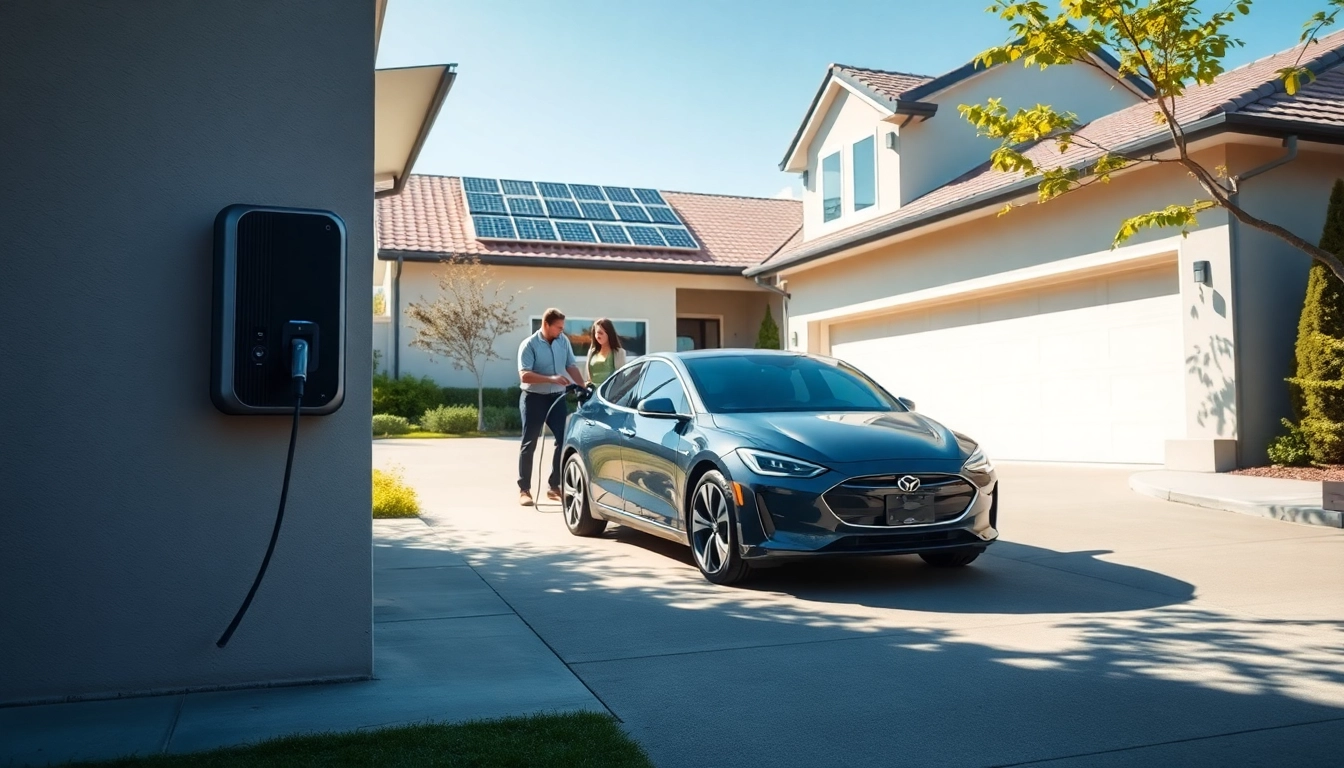
Yes, many homeowners can integrate their EV chargers with existing solar energy systems. This setup can maximize energy efficiency and reduce charging costs. A qualified electrician can assess your current solar array and guide you on the best approach to achieve this setup.
Our Professional EV Charger Installation Process
Detailed Overview of Our Installation Steps
Our installation process is designed to be straightforward and hassle-free. Here’s what you can expect:
- Site Assessment: A thorough evaluation of your electrical system, home layout, and installation site.
- Charger Selection: Assistance in choosing the right charger based on your needs and budget.
- Installation: Professional installation by certified electricians, ensuring all safety protocols are followed.
- Testing: Comprehensive testing of the charger to ensure optimal performance.
- Final Review: Walk-through of the installation with you, ensuring you understand how to use your new charger.
Safety Measures and Compliance in Installation
Safety is our utmost priority. Our electricians are licensed and adhere to all local regulations and industry standards, ensuring your installation is compliant and safe from start to finish.
Post-Installation Support and Warranty Information
After installation, we provide a Certificate of Electrical Safety and back our work with a lifetime labour warranty. Customer support is available for any questions or concerns you may have post-installation.
Future Trends in EV Charging and Installation Costs
Emerging Technologies in Electric Vehicle Charging
The EV charging landscape is rapidly evolving. Emerging technologies, including smart chargers that optimize energy usage based on demand and time-of-day pricing, are making home charging more efficient and cost-effective.
Government Incentives and Their Impact on Costs
Government incentives for EV adoption are on the rise, potentially lowering installation costs through rebates and tax credits for homeowners. Staying informed on these programs can help you save significantly.
Predictions for EV Charger Market Trends in 2025
As the demand for electric vehicles continues to grow, so too will the market for EV chargers. We can expect prices to stabilize, with competitive offers as more companies enter the space, making it an excellent time to consider installation.