Understanding HEPA Filters
What is a HEPA Filter?
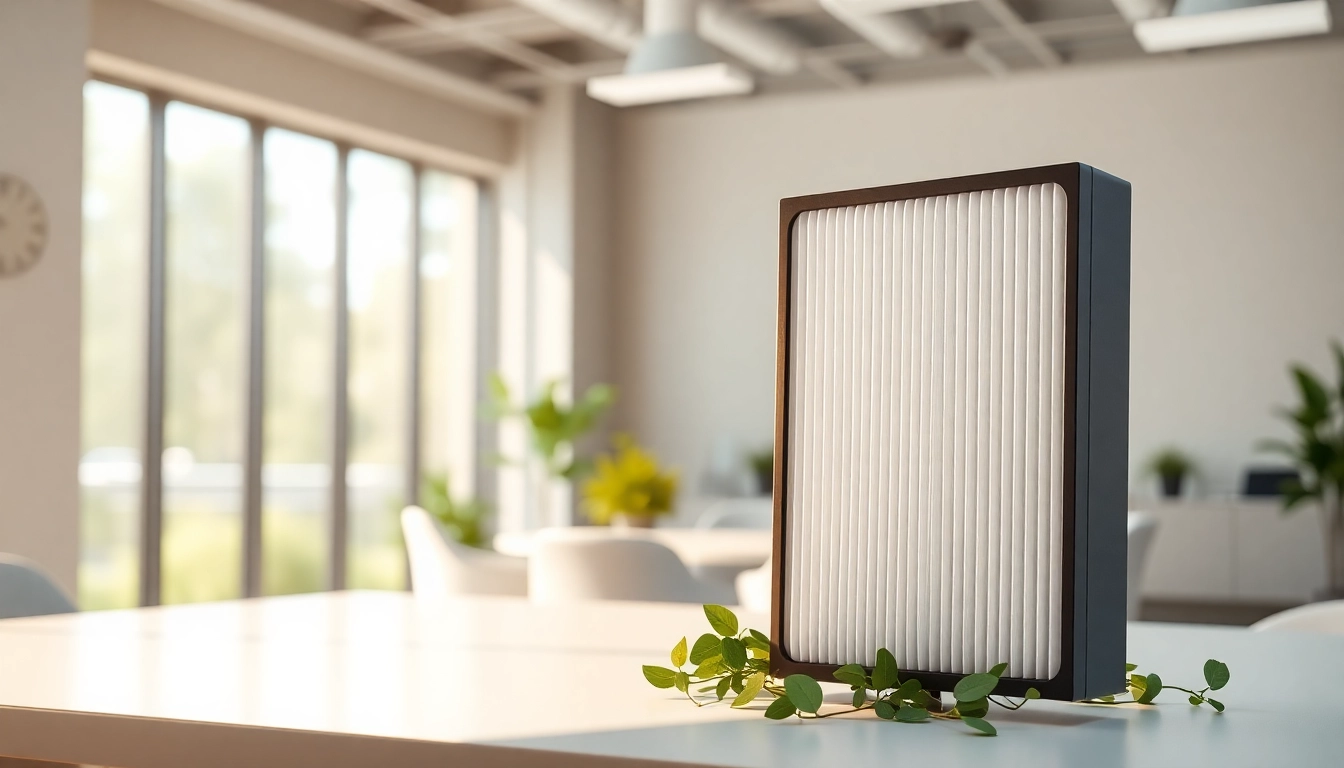
HEPA, or High-Efficiency Particulate Air, filters are specialized air filters designed to trap tiny particles and allergens that can affect air quality. A true HEPA filter can capture at least 99.97% of particles that are 0.3 microns in diameter. These filters are widely used in various applications, including air purifiers, vacuum cleaners, and HVAC systems, to improve indoor air quality. Notably, individuals who suffer from allergies or respiratory issues often find relief by using hepa filters in their living spaces.
How HEPA Filters Work
The effectiveness of HEPA filters comes from their layered construction and the physical principles of particle capture. HEPA filters employ various mechanisms such as interception, inertial impaction, and diffusion to trap particles. When air passes through the dense mesh of fibers that make up these filters, larger particles collide with the fibers and are trapped, while smaller particles are captured through diffusion. This multi-faceted approach allows HEPA filters to excel in environments that demand high air quality standards.
Benefits of Using HEPA Filters
Utilizing HEPA filters in your home or workspace comes with a myriad of advantages:
- Allergen Reduction: HEPA filters effectively remove pollen, dust mites, and pet dander, which can significantly alleviate allergy symptoms.
- Improved Respiratory Health: By filtering out contaminants, these filters promote better air quality, benefiting individuals with asthma and other respiratory conditions.
- Odor Control: When paired with activated carbon filters, HEPA filters can also help minimize smell from pets, cooking, and smoke.
- Protection Against Pathogens: HEPA filters can capture bacteria and viruses, contributing to a healthier indoor environment.
Types of HEPA Filters
True HEPA vs. HEPA-Type Filters
When it comes to HEPA filters, the distinction between True HEPA and HEPA-Type filters is crucial. True HEPA filters adhere to strict standards set by the U.S. Department of Energy, meaning they must capture 99.97% of particles that are 0.3 microns. On the other hand, HEPA-Type filters may not meet this stringent criterion. While they can still improve air quality, they may not be as effective in trapping the smallest particles. For those seeking optimal air filtration, investing in True HEPA filters is recommended.
Application-Specific HEPA Filters
Different environments and needs dictate the use of specific types of HEPA filters:
- Medical HEPA Filters: Used in hospitals and laboratories, these filters provide the highest level of filtration, essential for maintaining sterile environments and rejecting harmful pathogens.
- Commercial HEPA Filters: Typically found in office HVAC systems, these filters help reduce airborne dust and allergens in shared workspaces.
- Residential HEPA Filters: Designed for home use in air purifiers or vacuum cleaners, these filters improve indoor air quality and are often interchangeable.
Choosing the Right Type for Your Needs
When selecting a HEPA filter, consider the specific air quality challenges you face. For instance, if you have pets that shed dander, a residential HEPA filter designed for pet allergens would be beneficial. Individuals living in areas with high pollen counts should consider filters known for their efficacy against seasonal allergens. Understanding your unique requirements ensures that you choose the best HEPA filter for maximal impact.
Installation and Maintenance
Step-by-Step Installation Guide
Proper installation of a HEPA filter is crucial for its optimal performance. Here’s a step-by-step guide:
- Read the Manual: Before installation, consult the user manual specific to your device to understand the requirements and specifications.
- Gather Necessary Tools: Most installations will require a screwdriver, but always check for specific requirements in your manual.
- Turn Off Devices: Ensure that the air purifier or HVAC system is turned off before beginning installation to avoid any electrical hazards.
- Remove Old Filter: Take out the old filter carefully, following the directions provided in the manual.
- Install New Filter: Align the new HEPA filter with the designated slot, ensuring that it fits snugly and securely.
- Test the Device: Turn the device back on and check for secure operation, ensuring that there are no unusual noises or air leaks.
Routine Maintenance Tips
Maintenance plays a pivotal role in the longevity and efficiency of your HEPA filter. Follow these tips:
- Regular Cleaning: If your HEPA filter is washable, remember to clean it as per manufacturer instructions. For non-washable filters, replace them regularly based on usage.
- Monitor Air Quality: Use an air quality monitor to assess the performance of your filter and determine when it's time for a change.
- Check for Buildup: Inspect the filter and filter housing periodically for dust or buildup, as this can reduce its effectiveness.
Signs Your HEPA Filter Needs Replacement
Knowing when to replace your HEPA filter is essential for maintaining good air quality. Look out for the following signs:
- Increased Allergies: A noticeable uptick in allergy symptoms can indicate that your filter is no longer effective.
- Strange Odors: Foul smells emanating from your air purifier may signify that the filter requires replacement.
- Reduced Airflow: If you notice decreased airflow or a drop in efficiency from your HVAC system, it might be time to change the filter.
- Visible Dirt: If the filter appears discolored or clogged, it should be changed immediately to maintain performance.
Common Misconceptions about HEPA Filters
Debunking the Myths
HEPA filters are often subject to various myths that can cloud consumer understanding:
- Myth 1: HEPA filters remove all air pollutants. Reality: While HEPA filters are highly effective, they do not capture all types of contaminants. Gaseous pollutants and odors require additional filtration systems.
- Myth 2: Any filter labeled as “HEPA” is adequate.Reality: Only True HEPA filters meet the strict standards necessary to effectively trap small particulate matter.
- Myth 3: HEPA filters require frequent replacement.Reality: Replacement intervals depend on usage and environmental factors; understanding your specific situation can extend filter life.
Understanding Air Quality Standards
Air quality standards vary globally, but they serve as benchmarks for assessing the effectiveness of air filtration systems. Organizations like the Environmental Protection Agency (EPA) establish guidelines that HEPA filters are designed to meet or exceed. Familiarizing yourself with these standards can help in selecting the right filter for your environment.
Misinformation vs. Facts
Despite the rise of information, there’s still much misinformation regarding HEPA filters. It's imperative to consult verified sources when exploring HEPA technology and air quality solutions. Doing so ensures you're making informed decisions based on actual performance metrics and scientific research.
Maximizing the Efficiency of Your HEPA Filter
Optimal Placement Strategies
The placement of your HEPA filter is vital for its efficiency. Here are some strategies to consider:
- Central Location: For whole-house systems, place the HEPA filter centrally to optimize airflow through your home.
- Near Pollutant Sources: Position air purifiers near rooms where allergens are prevalent, such as bedrooms or living spaces frequently visited by pets.
- Avoid Obstructions: Ensure that there are no furniture or obstacles blocking airflow around the filter to maximize its capabilities.
Complementary Air Quality Improvements
In addition to HEPA filters, consider these air quality improvements:
- Humidity Control: Maintaining an optimal humidity level prevents mold growth and dust mite proliferation.
- Regular Cleaning: Dust and vacuum your home regularly to reduce the overall airborne particles.
- Houseplants: Certain houseplants can improve air quality by absorbing carbon dioxide and releasing oxygen, though they should not replace air filtration systems.
Performance Metrics to Monitor
Monitoring the performance of your HEPA filter is essential to ensure its efficiency:
- Air Changes Per Hour (ACH): This measures how many times the air in your room is replaced; an ideal ACH for home environments is typically between 4-6.
- Filter Efficiency: Regularly check the manufacturer’s specifications to understand the filter's particle capture efficiency and ensure it aligns with your expected needs.
- Energy Usage: Track the energy consumption of your filtration system to evaluate its cost-effectiveness over time.