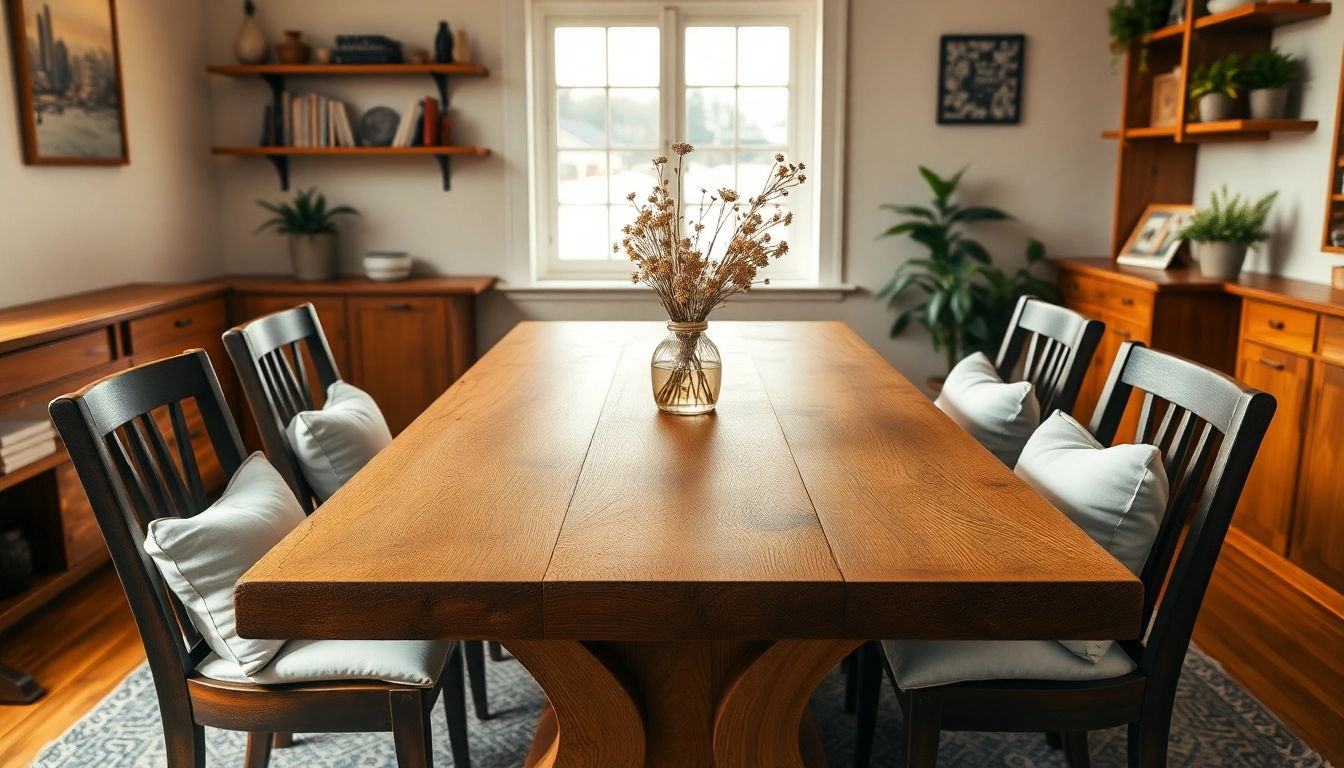
Introduction to Solid Wood Tables
When it comes to furniture, few choices exude the class and quality of Solid wood tables. Their enduring strength and beauty make them a popular selection for both casual and formal settings. In this article, we'll explore various aspects surrounding solid wood tables, including their appeal, benefits, care, selection tips, and where to find the best options.
Understanding Solid Wood vs. Veneer
To truly appreciate solid wood tables, one must understand the distinction between solid wood and veneer. Solid wood is made from real wood, cut from a tree trunk, while veneer is a thin layer of wood glued onto a core panel, often made from cheaper materials. This fundamental difference affects not only the durability and aesthetics of furniture but also its overall value. Solid wood tables are more robust, offering superior resistance to wear and tear, which means they tend to last longer than those made with veneers.
The Appeal of Solid Wood Tables
The charm of solid wood tables lies in their natural beauty. Each piece is unique due to the variations in grain patterns, colors, and textures, crafted by nature. Beyond their aesthetics, solid wood tables carry a sense of history and authenticity, often becoming heirloom pieces passed down through generations. In an era where mass-produced furniture is ubiquitous, solid wood tables stand out as a choice emblematic of craftsmanship and quality.
Different Types of Wood for Solid Tables
There is a wide range of woods used in crafting solid wood tables, each with its unique properties. Common options include:
- Hard Maple: Known for its smooth grain and durability, hard maple provides a modern aesthetic.
- Oak: Highly durable and resistant to scratches, oak comes in both red and white varieties, offering a classic look.
- Walnut: With its rich hues and beautiful grain patterns, walnut is a favorite for luxury tables.
- Cherry: Cherry wood ages gracefully, darkening over time, and adds warmth to any setting.
- Pine: Often more affordable, pine is softer and more prone to scratches but brings a rustic charm.
Benefits of Solid Wood Tables
Durability and Longevity
One of the most significant advantages of solid wood tables is their durability. These tables can withstand daily use while maintaining their structural integrity. Unlike particle board or laminate, which can chip and peel, solid wood can endure the test of time—with proper care, a well-made table can last for decades or even a lifetime. Each scratch or dent tells a story, adding character to the piece.
Customization Options for Unique Styles
Another benefit of solid wood tables is the vast array of customization options available. Consumers can choose from various sizes, shapes, and finishes to create a table that suits their personal style and needs. Whether it’s a sprawling dining table for gatherings or a compact desk for an office nook, solid wood furniture can be tailored to meet specific requirements. Many craftsmen also offer bespoke services, allowing clients to be part of the design process.
Aesthetic Appeal in Home Design
Solid wood tables significantly enhance a home’s aesthetic appeal. They bring an organic warmth, creating a welcoming atmosphere in any space. From modern and minimalist settings to rustic and farmhouse designs, solid wood can complement any décor style. Furthermore, their timeless quality ensures that these tables will not go out of fashion, making them a wise investment for furnishing choices.
Choosing the Right Solid Wood Tables for Your Space
Considerations for Size and Layout
When selecting solid wood tables, size is a crucial factor. Consider the room’s dimensions and layout to determine the appropriate size for your table. A spacious dining area can accommodate a large, rectangular table, while smaller spaces may benefit from round or square options. Additionally, keep in mind the flow of movement in the room—ensuring there is enough space for chairs and passage around the table is vital.
Matching Your Decor Style
The table you choose should harmonize with your home’s existing decor. For example, a sleek, modern solid wood table works well in contemporary settings, whereas an intricately carved farmhouse table adds character to a rustic space. Consider the colors and textures of your upholstery, flooring, and other furniture to ensure a cohesive design scheme.
Functionality vs. Aesthetics
While aesthetics are vital, functionality should not be overlooked. Think about how you plan to use your table—whether for family meals, work, or entertaining guests. Ensure that the table's design accommodates its intended use; for instance, consider durability and ease of cleaning for dining tables, or how the height and size work for a workstation.
Caring for Your Solid Wood Tables
Cleaning and Maintenance Tips
Caring for solid wood tables is relatively straightforward. Regular dusting using a microfiber cloth will prevent the build-up of grime, while occasional cleaning with a damp cloth can remove spills. Avoid abrasive cleaners and instead, opt for a gentle wood soap or cleaner designed specifically for wood surfaces. Additionally, it’s wise to apply a wood conditioner periodically to nourish the wood and maintain its luster.
Protecting from Damage
To protect solid wood tables from heat, moisture, and scratches, consider using coasters, placemats, and tablecloths during meals. Furniture pads under items placed on the table can also help prevent scratches. Positioning the table away from direct sunlight can protect the wood from fading and warping over time.
Restoring Old Tables to Their Glory
Many solid wood tables can be restored instead of replaced. If a table shows signs of wear, such as scratches or dullness, consider sanding it down and applying a fresh coat of stain or finish. This can give new life to an old piece, allowing you to keep it in your home for many more years. If you’re uncomfortable with restorations, consulting a professional is a wise choice.
Where to Buy Quality Solid Wood Tables
Local Craftsmanship vs. Online Retailers
When purchasing solid wood tables, buyers can choose between local craftsmen and online retailers. Local craftsmen often provide the benefit of bespoke designs and the chance to see the wood in person before purchase. However, online retailers may offer a broader selection, often at competitive pricing. Always examine seller reviews and return policies, whether shopping locally or online.
Factors to Consider When Shopping
Several key factors should guide your purchasing decision. Look for details such as the type of wood used, the quality of the craftsmanship, and whether the table has been treated to withstand wear. Pay attention to warranty options and delivery services, especially with larger pieces that require special handling.
Understanding Pricing for Solid Wood Tables
The price of solid wood tables can vary significantly based on the wood type, craftsmanship, and design complexity. Basic models might start around a few hundred dollars, while high-end, custom pieces can reach several thousand. Understanding what you can afford while keeping in mind the table’s longevity and functionality is essential for making a wise investment.
In conclusion, choosing a solid wood table involves careful consideration and an understanding of the choices available. With their remarkable durability, aesthetic appeal, and customizability, solid wood tables offer both function and beauty, enhancing any home for years to come.