Understanding Railroad Engineering
Railroad Engineering is an essential branch of civil engineering that focuses on the design, construction, operation, and maintenance of railways and rail transport systems. It encompasses various disciplines, including geology, structural engineering, and traffic engineering. This field plays a pivotal role in ensuring the efficiency and safety of rail transport, which is crucial for both passenger and freight services. As industries lean heavily on railways for logistics and public transit, the relevance of Railroad Engineering continues to grow. This article will delve into the key aspects of Railroad Engineering, from its fundamental responsibilities to the modern challenges and innovations shaping its future. For a more comprehensive approach, you can explore specialized training and engineering services in Railroad Engineering.
Definition and Scope of Railroad Engineering
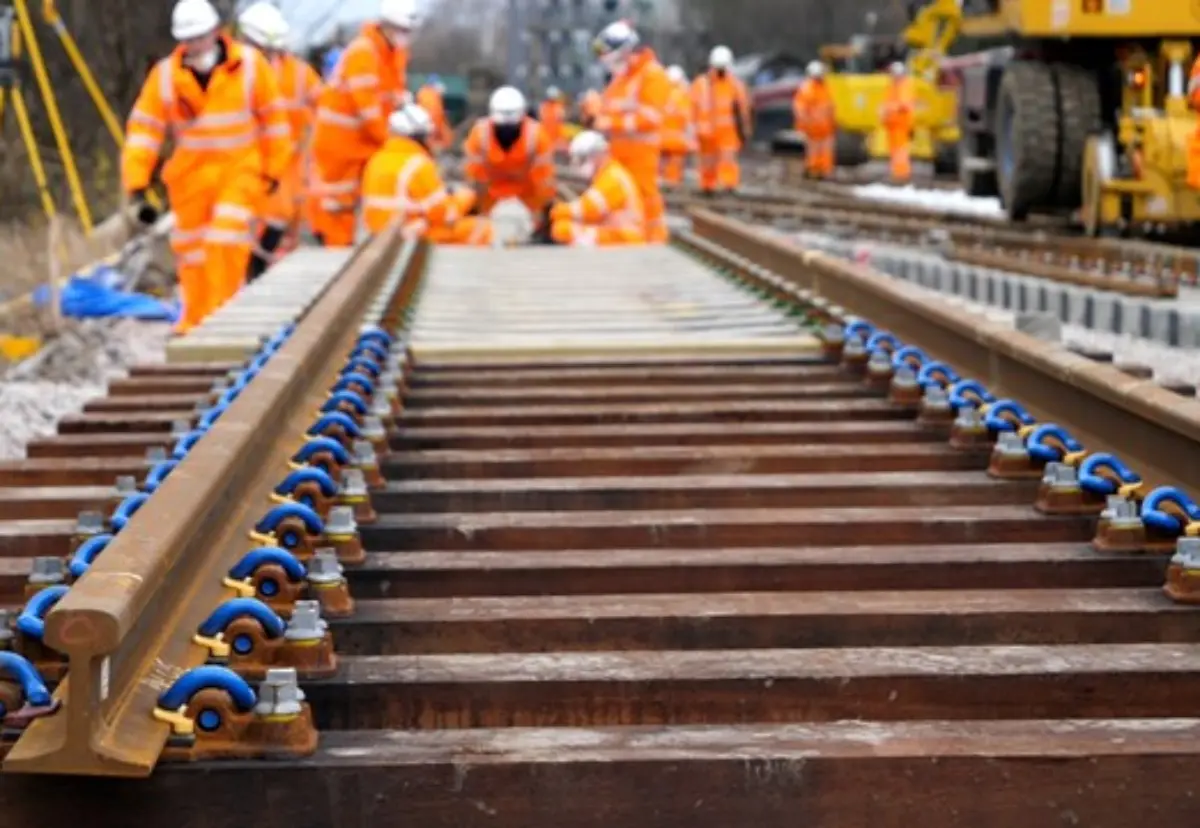
Railroad Engineering encompasses all aspects of railway systems, including the infrastructure, rolling stock, and operational protocols. The discipline covers everything from the design of rail tracks and signal systems to the management of train operations and safety protocols. Its scope extends not only to the physical components of the railway but also considers the economic viability and environmental impact of railway systems. Specialization within Railroad Engineering may lead professionals to focus on:
- Track design and construction
- Signaling and communication systems
- Train control systems
- Maintenance and operations management
- Transportation safety and accident prevention
Key Responsibilities of Railroad Engineers
Railroad engineers bear significant responsibilities, ensuring the smooth functioning of rail systems. Their primary duties include:
- Design and Construction: Overseeing the planning, design, and construction of railway infrastructure and ensuring compliance with regulatory standards.
- Maintenance and Inspection: Conducting regular maintenance on tracks, signaling systems, and rolling stock to ensure optimal performance and safety.
- Operational Management: Coordinating daily operations, scheduling, and logistics to guarantee efficient rail services.
- Safety Management: Implementing safety protocols and ensuring adherence to standards to minimize accidents.
- Project Management: Managing various projects within the railroad system, from budget allocations to resource management.
The Importance of Safety in Railroad Engineering
Safety is paramount in Railroad Engineering. Engineers must design systems that can withstand various stress factors and prevent accidents. The National Transportation Safety Board (NTSB) emphasizes that continuous evaluation and development of safety technologies are essential for reducing risks and enhancing system reliability. New safety systems, such as Positive Train Control (PTC), are a response to previous incidents and highlight the discipline's proactive approach to safety.
Essential Skills for a Career in Railroad Engineering
Success in Railroad Engineering requires a combination of technical expertise, soft skills, and continuous learning. As the field evolves, professionals must adapt to new technologies and methodologies.
Educational Requirements for Aspiring Railroad Engineers
A minimum educational requirement to pursue a career in Railroad Engineering is typically a bachelor’s degree in civil engineering or a related field. Many universities offer specialized programs focusing on railroad engineering, which include coursework in:
- Track Geometry
- Railway Operations
- Transportation Systems
- Infrastructure Engineering
In addition, certifications from recognized professional organizations can enhance employability.
Technical Skills Needed in Railroad Engineering
Technical skills are crucial for effectively analyzing, designing, and managing railroad systems. Key technical competencies include:
- Proficiency in design software (e.g., AutoCAD, MicroStation) for drafting designs
- Understanding of signal and communication systems
- Knowledge of materials used in track construction
- Ability to conduct load and stress analysis
Soft Skills That Enhance a Railroad Engineering Career
In addition to technical skills, soft skills are essential for effective collaboration and project management. Important soft skills include:
- Communication skills for engaging with diverse teams and stakeholders
- Problem-solving abilities to tackle engineering challenges
- Attention to detail to ensure accuracy and safety
- Adaptability in an evolving field with continuous advancements
Innovations Driving Railroad Engineering Forward
Innovation is a driving force in Railroad Engineering, enabling the industry to address challenges and improve efficiency and safety.
Modern Technologies Impacting Railroad Engineering
Technological advancements significantly enhance railway operations. Innovations include:
- Smart Sensors: Utilized for real-time monitoring of track conditions and train performance.
- GPS and Geolocation: Effective for navigating, managing train schedules, and improving resource allocation.
- Drone Technology: Streamlined inspections and maintenance, improving both efficiency and safety.
- Advanced Materials: Application of durable materials for longevity and reduced wear on tracks and rolling stock.
Role of Automation in Railroad Engineering
Automation plays a transformative role in streamlining operations and enhancing safety. Automated systems are being integrated into train operations, signaling, and maintenance checks. This not only improves efficiency but also reduces the risks associated with human error. Additionally, predictive maintenance powered by artificial intelligence (AI) enables engineers to predict equipment failures before they occur, leading to reduced downtime.
Case Studies of Successful Railroad Engineering Projects
Examining successful projects can provide valuable insights into effective practices in Railroad Engineering. Case studies illustrate how innovative approaches have successfully addressed challenges:
Example 1: High-Speed Rail Development
The implementation of high-speed rail systems in various countries showcases effective project management and technology application. These projects typically feature dedicated tracks, advanced signaling systems, and superior train designs, enhancing speed and efficiency while minimizing environmental impacts.
Example 2: Urban Transit Systems Integration
Many cities have successfully integrated urban transit with existing rail networks. This has required innovative engineering solutions, such as underground tunnels and elevated tracks, which maximize existing layouts and improve commuter access, efficiency, and service frequency.
Challenges in the Field of Railroad Engineering
Despite its advancements, Railroad Engineering faces numerous challenges that require innovative solutions and adaptability.
Common Obstacles Faced by Railroad Engineers
Common challenges include:
- Infrastructure Aging: Many railway systems are outdated, requiring significant upgrades and investments.
- Budget Constraints: Funding limitations can restrict the implementation of necessary improvements and technologies.
- Environmental Regulations: Compliance with environmental standards can complicate project design and execution.
Regulatory Challenges in Railroad Engineering
Railroad Engineering operates under a complex framework of regulations that govern safety, environmental impacts, and operational protocols. Navigating these regulatory requirements is vital for project approval and implementation. Engineers must stay updated on regulatory changes to ensure compliance and avoid costly delays.
Future Challenges and Opportunities in Railroad Engineering
The future holds both challenges and opportunities for Railroad Engineering. The increasing demand for sustainable transport solutions presents opportunities for innovation. However, as technology evolves, engineers must also address the complexities introduced by automation and new materials. Balancing advancement with safety and regulatory compliance will be critical for progress in Railroad Engineering.
Career Opportunities and Advancement in Railroad Engineering
As the demand for rail services grows, careers in Railroad Engineering are becoming increasingly attractive. There are numerous pathways for professional growth in this robust field.
Job Prospects for Railroad Engineers
Job prospects are strong, with opportunities available in various sectors, including public transportation, freight, and private rail systems. Professionals may find positions in:
- Government agencies overseeing transportation
- Private engineering firms
- Railway operators and planning organizations
- Research and development sectors focusing on innovations in rail systems
Salary Expectations for Railroad Engineers
Salary expectations for Railroad Engineers can vary based on experience and location, with most professionals earning between $84,000 and $135,000 annually. According to industry sources, the average salary for Railroad Engineers is around $101,752, influenced by the skills and expertise of the individual as well as demand in specific regions.
Continuing Education and Professional Development
Continuous learning is vital in the ever-evolving field of Railroad Engineering. Professionals are encouraged to pursue ongoing education through workshops, certifications, and advanced degrees. This enables them to stay relevant with emerging technologies, safety protocols, and regulatory compliance, paving the way for career advancement and opportunities for leadership roles.
Frequently Asked Questions about Railroad Engineering
What does a railroad engineer do?
Railroad engineers operate trains, monitor systems, and ensure safe transport between stations, coordinating with railway staff and maintaining train mechanical conditions.
How much do railroad engineers make in the US?
Railroad engineers can earn from $84,000 to $135,000 annually, with the average salary around $101,752, depending on experience and location.
How hard is it to become a railroad engineer?
Becoming a railroad engineer requires extensive training, often lasting months or years, involving hands-on experience, classroom instruction, and exams.
What qualifications do you need to be a Railway Engineer?
Typically, a bachelor's degree in engineering or a related field is required, along with certifications specific to rail maintenance and operations.
What are the future trends in Railroad Engineering?
Future trends in Railroad Engineering include increased automation, sustainable practices, and the integration of advanced monitoring technologies for safety and efficiency.