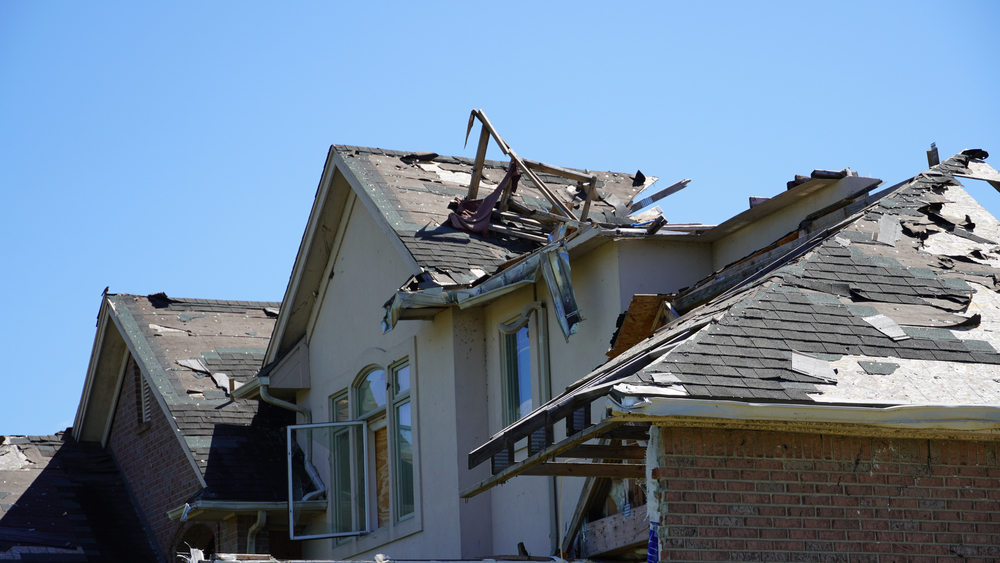
Storm-related roofing issues can create serious financial and structural problems for residential and commercial property owners. Heavy rain, hail, high winds, falling branches, and hidden leaks often leave behind costly damage that requires immediate attention. During these situations, securing dependable roof damage insurance claim help becomes critical for protecting property value and avoiding unnecessary claim delays.
Many property owners believe filing an insurance claim is a simple process until unexpected challenges begin to appear. Insurance paperwork, policy limitations, inspection disputes, and inaccurate repair estimates can quickly make the process overwhelming. A properly managed claim helps improve the chances of receiving fair compensation for roofing repairs or replacement costs.
Understanding how roofing claims work and recognizing the importance of professional support can help policyholders make informed decisions during the claims process.
- Why Roof Damage Claims Are Often Difficult
- Understanding the Insurance Claim Process
- The Importance of Professional Roof Damage Insurance Claim Help
- Common Causes of Roof Damage
- Warning Signs That Roof Damage May Exist
- Steps Property Owners Should Take After Roof Damage
- Why Insurance Settlements May Be Lower Than Expected
- The Long-Term Risks of Delayed Roof Repairs
- Choosing Reliable Claim Assistance
- Conclusion
Why Roof Damage Claims Are Often Difficult
Roof damage claims may seem straightforward, but insurance companies frequently require extensive documentation before approving compensation. Even visible roofing problems can become disputed if adjusters believe the damage resulted from aging, poor maintenance, or pre-existing conditions rather than a covered event.
Insurance policies often contain technical language that can confuse policyholders unfamiliar with roofing claim procedures. Coverage limitations, depreciation clauses, exclusions, and deductibles all influence the final settlement amount.
Several common issues can complicate roofing insurance claims, including:
- Incomplete damage inspections
- Delayed claim reporting
- Missing documentation
- Disputes regarding storm-related damage
- Underestimated repair costs
- Denied replacement requests
- Misinterpretation of policy language
In many cases, roofing systems suffer hidden structural damage beneath shingles or flashing. Moisture intrusion, weakened decking, and insulation damage may not become visible until weeks or months after severe weather occurs. Without a thorough inspection, these issues can remain undocumented during the initial claim review.
Understanding the Insurance Claim Process
Property owners benefit from understanding how insurance companies typically evaluate roof damage claims. While procedures vary depending on the insurer and policy terms, most claims follow a similar structure.
Initial Damage Assessment
After a storm or damaging event, property owners should inspect the property carefully and document visible signs of damage. Photos, videos, and written notes help establish evidence for the claim.
Filing the Insurance Claim
The claim filing process usually requires detailed information about the incident, including the date of loss, type of damage, and affected areas of the property. Delays in filing may negatively impact claim approval.
Insurance Inspection
Insurance companies generally send an adjuster to inspect the property and determine the extent of covered damage. The adjuster evaluates roofing materials, structural conditions, and repair estimates.
Claim Review and Settlement
After reviewing inspection findings and policy terms, the insurer determines whether the claim qualifies for compensation. Settlement amounts may vary depending on deductibles, depreciation, and policy coverage limits.
Because claim outcomes often depend on documentation accuracy and inspection quality, many policyholders seek professional roof damage insurance claim help to improve the process.
The Importance of Professional Roof Damage Insurance Claim Help
Roofing insurance claims involve more than submitting photos and waiting for approval. Professional claim assistance can provide valuable support during inspections, negotiations, and documentation review.
Public adjusters and experienced claim professionals understand how insurers evaluate property damage. Their expertise can help identify overlooked damages and strengthen the overall claim presentation.
Key advantages of professional claim assistance include:
Detailed Damage Documentation
Comprehensive inspections often reveal hidden roofing problems that standard evaluations may overlook. Proper documentation improves claim accuracy and helps justify repair or replacement costs.
Policy Interpretation Support
Insurance policies frequently contain confusing terminology that affects coverage eligibility. Professional guidance helps policyholders understand exclusions, endorsements, and settlement calculations.
Accurate Repair Cost Estimates
Roof replacement and repair pricing can vary significantly depending on material quality, labor costs, and structural damage severity. Independent assessments help support fair settlement negotiations.
Assistance During Negotiations
Insurance carriers may initially offer lower settlements than expected. Professional representation helps property owners present evidence effectively during disputes or reconsideration requests.
Improved Communication
Claims often involve ongoing communication between contractors, inspectors, and insurance representatives. Organized claim management reduces misunderstandings and unnecessary delays.
Common Causes of Roof Damage
Roofing systems face continuous exposure to environmental conditions that weaken materials over time. Severe weather events can accelerate deterioration and create sudden structural issues.
Wind Damage
Strong winds can lift shingles, loosen flashing, and expose underlying roofing materials to moisture intrusion. Even moderate wind damage can lead to leaks if left untreated.
Hail Damage
Hail impacts may crack shingles, dent metal roofing components, and reduce long-term roof durability. Some forms of hail damage are difficult to identify without professional inspections.
Water Intrusion
Heavy rain and clogged drainage systems can allow water to penetrate roofing materials. Moisture buildup often leads to mold growth, wood rot, and insulation damage.
Fallen Tree Limbs
Storm debris and fallen branches frequently cause punctures, structural fractures, and severe exterior damage requiring immediate repairs.
Aging Roofing Materials
Older roofing systems become more vulnerable to weather-related failures. Insurance companies sometimes dispute whether damage resulted from aging or covered storm events.
Understanding these causes helps property owners recognize when filing a roofing insurance claim may be necessary.
Warning Signs That Roof Damage May Exist
Roofing damage is not always immediately visible from the ground. Property owners should monitor for warning signs following severe weather or unexpected leaks.
Common indicators include:
- Missing or curled shingles
- Water stains on ceilings
- Granule accumulation in gutters
- Mold or mildew growth
- Sagging roof sections
- Cracked flashing
- Damaged vents
- Increased energy bills
- Interior moisture odors
Early detection can help prevent further structural deterioration and reduce repair expenses. Delaying inspections may allow hidden problems to worsen over time.
Steps Property Owners Should Take After Roof Damage
Proper action immediately following roof damage can strengthen insurance claims and improve repair outcomes.
1. Prioritize Safety
Avoid climbing onto damaged roofs after storms or severe weather. Structural instability and slippery surfaces create safety risks.
2. Document All Visible Damage
Take clear photos and videos of damaged areas, interior leaks, debris impact, and affected property contents. Documentation supports claim credibility.
3. Prevent Additional Damage
Temporary protective measures, such as tarping exposed areas, may help reduce ongoing water intrusion. Keep records of emergency repair expenses.
4. Contact the Insurance Company Promptly
Timely reporting demonstrates responsible property management and helps prevent disputes related to delayed claims.
5. Schedule a Professional Inspection
Independent inspections often identify structural issues overlooked during preliminary evaluations.
6. Keep Organized Records
Save all receipts, inspection reports, repair estimates, and communication records related to the claim.
Seeking professional roof damage insurance claim help during these steps may improve claim organization and negotiation effectiveness.
Why Insurance Settlements May Be Lower Than Expected
Many policyholders become frustrated when insurance settlements fail to cover full repair costs. Several factors may contribute to lower payouts.
Depreciation Calculations
Insurance companies may reduce settlement amounts based on roof age and material wear.
Coverage Limitations
Policies sometimes contain exclusions related to maintenance issues or cosmetic damage.
Partial Damage Determinations
Insurers may approve only partial repairs rather than full roof replacement.
Incomplete Inspections
If hidden structural damage is not identified during inspections, settlement amounts may not reflect the true extent of repairs needed.
Disputed Damage Causes
Insurance carriers occasionally argue that damage resulted from long-term deterioration rather than sudden storm events.
Understanding these challenges helps property owners prepare stronger claims and respond effectively during negotiations.
The Long-Term Risks of Delayed Roof Repairs
Ignoring roof damage can create more serious structural and financial problems over time. Small leaks may eventually affect ceilings, insulation, electrical systems, and interior walls.
Potential long-term consequences include:
- Mold growth
- Wood rot
- Structural weakening
- Increased utility costs
- Interior property damage
- Reduced property value
Prompt repairs help preserve property integrity and minimize future restoration expenses.
Choosing Reliable Claim Assistance
Not all claim support services offer the same level of expertise. Property owners should carefully evaluate professionals before seeking assistance.
Important qualities to consider include:
- Experience handling roofing insurance claims
- Knowledge of local weather-related damage
- Strong documentation practices
- Clear communication
- Transparent fee structures
- Familiarity with insurance policy interpretation
Professional claim support can provide peace of mind during a stressful restoration process.
Conclusion
Roof damage can disrupt daily life, threaten structural safety, and create significant financial burdens when insurance claims are mishandled. Filing a successful claim often requires detailed documentation, policy interpretation, inspection coordination, and persistent communication with insurance providers.
Reliable roof damage insurance claim help gives property owners valuable support throughout the claims process. Professional guidance can help identify hidden damage, strengthen settlement negotiations, and reduce costly delays. Willis Willis Public Adjuster assists property owners in navigating complex insurance procedures while helping strengthen claim accuracy and documentation. By taking immediate action after severe weather and maintaining organized claim records, property owners improve the likelihood of receiving fair compensation for necessary repairs or roof replacement.
Protecting a property investment begins with understanding the insurance process and responding quickly when roofing damage occurs. With proper preparation and experienced assistance, navigating complex roofing insurance claims becomes more manageable and far less stressful.