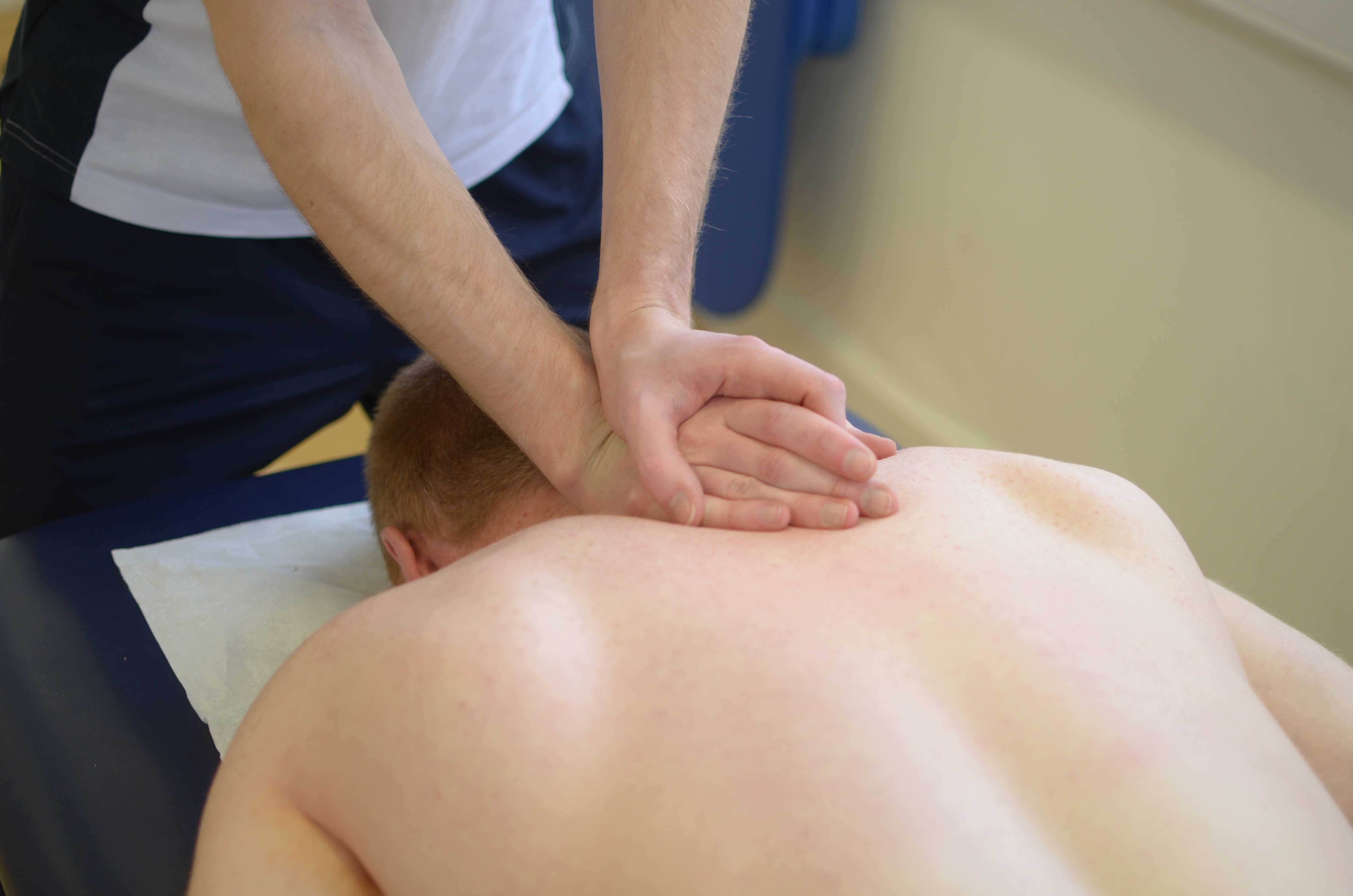
Soft Tissue Mobilization Therapy for Better Mobility and Healing
Muscle tension, joint stiffness, and chronic discomfort can affect every aspect of daily life. From athletes recovering after intense training sessions to office professionals dealing with posture-related pain, physical limitations often reduce productivity and overall well-being. Soft tissue mobilization therapy has become one of the most effective hands-on treatment methods for improving movement, relieving discomfort, and supporting long-term recovery.
This specialized physical therapy technique focuses on treating muscles, ligaments, tendons, and fascia through targeted manual manipulation. The goal is to reduce restrictions within soft tissues, improve circulation, and restore proper movement patterns. Unlike temporary pain relief methods that only mask symptoms, soft tissue therapy addresses the underlying cause of tension and dysfunction.
Modern rehabilitation programs continue to integrate manual therapy because of its ability to support natural healing while improving flexibility and mobility. Individuals experiencing sports injuries, repetitive strain, postural imbalances, or chronic muscular pain often benefit from structured treatment plans that include soft tissue techniques.
- Understanding How Soft Tissue Mobilization Therapy Works
- Common Conditions Treated With Soft Tissue Mobilization Therapy
- The Importance of Personalized Physical Therapy Treatment
- Benefits of Soft Tissue Mobilization Therapy for Daily Life
- How Lifestyle Habits Affect Soft Tissue Health
- Combining Soft Tissue Therapy With Corrective Exercise
- The Growing Role of Physical Therapy in Preventive Care
- Why Professional Guidance Matters
- Conclusion
Understanding How Soft Tissue Mobilization Therapy Works
The body’s soft tissues play a major role in movement and stability. Overuse, injury, stress, or inactivity can create adhesions and tension within these tissues, limiting flexibility and causing discomfort. Soft tissue mobilization therapy uses controlled pressure and movement techniques to release restrictions and improve tissue function.
Physical therapists commonly use this therapy to:
- Break down scar tissue and adhesions
- Improve blood circulation
- Reduce inflammation and muscular tightness
- Increase flexibility and range of motion
- Support faster recovery after injuries
- Improve overall movement efficiency
Soft tissue restrictions can develop gradually over time. Poor posture, repetitive motions, prolonged sitting, and physically demanding activities often place continuous stress on muscles and connective tissues. Without proper treatment, these issues may contribute to chronic pain and reduced mobility.
Manual therapy techniques encourage tissue relaxation while stimulating blood flow to affected areas. Improved circulation delivers oxygen and nutrients needed for tissue repair, helping the body recover more efficiently.
Common Conditions Treated With Soft Tissue Mobilization Therapy
Many individuals seek physical therapy because persistent discomfort interferes with work, exercise, or everyday activities. Soft tissue therapy can help address a wide range of musculoskeletal conditions that affect mobility and comfort.
Sports Injuries
Athletes frequently experience muscle strains, ligament stress, and overuse injuries caused by repetitive movement patterns. Soft tissue therapy helps reduce muscular tension and restore flexibility, allowing athletes to return to activity safely and efficiently.
Recovery programs often focus on improving movement quality while reducing inflammation in overworked tissues. Regular therapy sessions may also help prevent future injuries by correcting muscular imbalances.
Neck and Shoulder Tension
Long hours spent working at desks or using digital devices can contribute to chronic neck and shoulder tightness. Forward head posture and repetitive strain often create tension within surrounding muscles and connective tissues.
Soft tissue mobilization techniques target restricted areas to reduce stiffness and improve posture-related discomfort. Increased mobility within the neck and shoulders can improve overall movement and reduce recurring pain episodes.
Lower Back Pain
Lower back discomfort remains one of the most common reasons individuals seek physical therapy treatment. Tight muscles, poor posture, weak core stability, and repetitive stress can all contribute to lumbar pain.
Soft tissue therapy helps relieve muscular tightness surrounding the spine while supporting improved movement mechanics. Combined with strengthening exercises and posture correction strategies, treatment may help reduce recurring back pain episodes.
Post-Surgical Rehabilitation
After surgery, scar tissue and limited mobility can affect the healing process. Soft tissue therapy supports rehabilitation by improving tissue flexibility and reducing stiffness around surgical areas.
Controlled manual treatment may also help patients regain functional movement while reducing discomfort during recovery.
Chronic Pain Conditions
Conditions involving ongoing muscular tension or connective tissue dysfunction may benefit from consistent therapy sessions. Chronic discomfort often develops when movement patterns become restricted over time.
Targeted manual therapy combined with corrective exercises can improve mobility while reducing pressure within affected tissues.
The Importance of Personalized Physical Therapy Treatment
No two injuries or movement limitations are exactly the same. Personalized rehabilitation programs allow physical therapists to evaluate posture, flexibility, strength, and movement quality before creating a treatment plan.
A customized approach often includes:
- Movement assessments
- Manual soft tissue techniques
- Stretching and mobility exercises
- Strengthening programs
- Postural correction strategies
- Injury prevention education
This individualized process helps address both symptoms and contributing factors. Instead of focusing solely on pain relief, therapy aims to restore long-term function and improve movement efficiency.
Physical therapists also monitor patient progress closely, adjusting treatment plans as mobility and strength improve. Consistency and proper guidance play a major role in achieving lasting recovery outcomes.
Benefits of Soft Tissue Mobilization Therapy for Daily Life
Physical discomfort can negatively affect sleep quality, work performance, exercise routines, and overall mental well-being. Restoring movement and reducing muscular tension often improves quality of life in several important ways.
Improved Flexibility and Range of Motion
Restricted soft tissues limit natural movement patterns and increase strain on surrounding muscles and joints. Manual therapy techniques improve tissue elasticity, helping individuals move more comfortably during daily activities and exercise.
Enhanced Athletic Performance
Athletes depend on flexibility, balance, and movement efficiency to perform at a high level. Soft tissue therapy supports performance by improving muscle function and reducing tension that may interfere with mobility.
Improved tissue mobility can also contribute to faster recovery between training sessions.
Reduced Muscle Tension and Stiffness
Stress, repetitive motion, and inactivity commonly lead to muscular tightness. Releasing tension within soft tissues may help reduce stiffness while promoting relaxation throughout the body.
Better Posture and Movement Mechanics
Muscle imbalances often contribute to poor posture and inefficient movement patterns. Physical therapy programs focusing on mobility and strengthening can improve posture while reducing unnecessary strain on joints and muscles.
Faster Recovery After Physical Activity
Intense physical activity places stress on muscles and connective tissues. Soft tissue therapy encourages circulation and recovery, helping reduce soreness and fatigue after exercise or sports participation.
How Lifestyle Habits Affect Soft Tissue Health
Daily habits have a significant impact on muscular health and mobility. Even effective therapy treatments may provide only temporary results if poor movement patterns continue.
Several lifestyle factors commonly contribute to soft tissue dysfunction:
- Prolonged sitting
- Poor workstation ergonomics
- Limited stretching or mobility work
- Repetitive physical movements
- High stress levels
- Inadequate recovery after exercise
Maintaining an active lifestyle combined with proper recovery strategies can help protect muscles and connective tissues from long-term strain.
Simple habits such as standing regularly during work hours, improving posture, and incorporating mobility exercises into daily routines may significantly improve movement quality over time.
Combining Soft Tissue Therapy With Corrective Exercise
While manual therapy provides important short-term relief, long-term results often depend on strengthening and corrective movement training. Muscles and connective tissues function best when the body maintains proper stability and balance.
Corrective exercise programs may include:
- Core strengthening
- Flexibility training
- Joint stabilization exercises
- Balance and coordination work
- Functional movement drills
Combining these strategies with soft tissue mobilization helps create sustainable improvements in mobility and physical performance.
This integrated approach also reduces the likelihood of recurring pain caused by muscular imbalances or poor movement habits.
The Growing Role of Physical Therapy in Preventive Care
Physical therapy is no longer viewed only as treatment after an injury occurs. Many individuals now use therapy proactively to improve movement quality, prevent injuries, and maintain long-term mobility.
Preventive care strategies often focus on:
- Identifying movement limitations early
- Correcting muscular imbalances
- Improving flexibility and posture
- Enhancing athletic performance
- Reducing injury risk during exercise or work activities
Soft tissue therapy plays an important role in preventive rehabilitation because it helps maintain healthy tissue function before serious mobility issues develop.
Regular movement assessments and therapy sessions may benefit both active individuals and those with physically demanding occupations.
Why Professional Guidance Matters
Self-treatment methods such as stretching or massage tools can provide temporary relief, but professional evaluation remains essential for addressing deeper movement dysfunctions. Licensed physical therapists understand how muscles, joints, and connective tissues interact during movement.
Professional therapy sessions provide:
- Accurate movement analysis
- Targeted treatment techniques
- Structured rehabilitation plans
- Safe progression during recovery
- Long-term mobility strategies
Guided treatment ensures that therapy addresses the root cause of pain rather than only reducing temporary symptoms.
Working with qualified professionals may also reduce the risk of worsening injuries caused by improper movement patterns or ineffective recovery methods.
Conclusion
Soft tissue mobilization therapy continues to become a valuable component of modern physical rehabilitation and preventive care. By improving circulation, reducing muscular tension, and restoring movement quality, this therapy supports both short-term relief and long-term physical wellness.
Individuals dealing with sports injuries, chronic pain, postural tension, or mobility limitations often experience meaningful improvements through targeted manual therapy and corrective rehabilitation programs. Consistent treatment combined with healthy movement habits can help improve flexibility, posture, strength, and overall quality of life.
As physical therapy continues evolving, mobility-focused care remains essential for supporting active lifestyles and long-term recovery. Professional rehabilitation programs, including services offered by Control Physical Therapy, provide a strong foundation for restoring comfort, movement confidence, and physical performance.