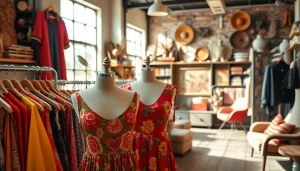
Understanding the Thrift Culture
The Origins of Thrift Shopping
Thrift shopping has roots that date back several centuries, rooted in a culture of reusing existing resources and reducing waste. Historically, thrift stores began as charitable initiatives aimed at helping those in need. Local charities and nonprofits would collect donated goods, including clothing, furniture, and household items, to provide affordable options for low-income families. This tradition of donating and purchasing secondhand items laid the groundwork for the expansive thrift culture we see today.
Why Thrift? Sustainability and Style
As awareness of environmental issues has increased, so has the appeal of thrift shopping. The fashion industry is one of the largest contributors to pollution, with fast fashion brands producing enormous amounts of waste and carbon emissions. Thrift shopping offers a sustainable alternative, allowing consumers to reduce their carbon footprint by giving a second life to pre-loved items.
Moreover, thrift shopping doesn’t sacrifice style. Vintage clothing is often of higher quality than contemporary fast fashion, and it allows individuals to express their unique style. Thrift finds can range from classic vintage pieces to quirky modern designs, making it a treasure trove for fashion enthusiasts.
The Growth of Thrift Communities
The growth of social media platforms has played a pivotal role in the rise of thrift communities. Online groups and forums allow thrift lovers to share their finds, shopping tips, and wardrobe styling ideas. This sense of community fosters a shared appreciation for sustainability and individuality, encouraging more people to explore thrift shopping. As these communities continue to thrive, they advocate for a more conscious consumer culture, emphasizing the importance of making informed choices when it comes to fashion.
Key Vintage Styles to Look For
Identifying Unique Thrift Gems
The thrill of discovery is one of the key attractions of thrift shopping. Unique thrift gems, whether they are rare vintage pieces or simply items with character, can be found with careful searching. Key aspects to consider when evaluating thrift items include fabric quality, construction details, and the intricacies of design. Knowledge about different eras and popular trends can greatly enhance your ability to spot true treasures. For example, 90s grunge, 70s bohemian, and 80s power suits are all distinctive looks that can often be found in thrift stores.
Classic Styles That Never Go Out of Fashion
Certain vintage styles have stood the test of time and remain stylish regardless of current trends. Items such as high-waisted jeans, leather jackets, and tailored blazers are timeless wardrobe staples that enhance any collection. The key to incorporating vintage pieces into your wardrobe is to choose designs that align with your personal style, making it easier to mix and match with contemporary clothing.
How to Accessorize Vintage Pieces
Accessorizing vintage clothing is essential for crafting a modern look while embracing the charm of the past. Accessories such as statement jewelry, wide-brimmed hats, and vintage bags can elevate a simple outfit. When accessorizing vintage pieces, consider balancing bold items with more subdued pieces to create harmony in your look. Layered necklaces or oversized earrings can add flair, while classic shoes can anchor the outfit.
Tips for Thrift Shopping Success
How to Navigate a Thrift Store
Navigating a thrift store can be both exhilarating and overwhelming. Start by spelling out a plan: set aside enough time to browse and consider the layout of the store. Begin in the sections that appeal to you the most, and don’t hesitate to explore lesser-known areas. The hidden nooks of the store often hold surprising finds. Be open-minded; sometimes the best thrift pieces are unexpected. Additionally, maintaining a keen eye for detail will aid in discovering quality items that might need a bit of love to restore their original glory.
Best Practices for Online Thrift Shopping
With the rise of online shopping, many thrift enthusiasts are looking to virtual platforms for their next great find. Best practices for online thrift shopping include familiarizing yourself with sizing, as vintage sizes can differ from contemporary ones. Always read item descriptions thoroughly, and look for clear images of the item from different angles. Don’t be afraid to ask sellers questions about condition or measurements; many are happy to provide additional information. Lastly, researching return policies before purchasing is crucial, ensuring that you have options if the item doesn’t meet expectations.
Evaluating Quality and Authenticity
To ensure you are purchasing quality thrifted items, it’s essential to develop a discerning eye. Inspect fabrics closely—natural fibers such as cotton, silk, and wool often denote higher quality than synthetic alternatives. Examine the stitching and construction details; these elements can indicate how well an item will hold up over time. Additionally, be aware of brand labels, as certain vintage designers are known for their craftsmanship and durability. Researching popular vintage brands can provide valuable insight into the quality standards typically seen in those pieces.
Caring for Your Thrift Finds
Cleaning and Restoration Tips
Once you have acquired your thrifted treasures, properly caring for them is paramount. First, read the labels carefully to understand cleaning instructions. Delicate fabrics may require special care such as dry cleaning, while sturdier items can often be machine washed. In some cases, thrifted items may benefit from simple restoration techniques, such as sewing on missing buttons or fixing seams. Knowledge about stain removal techniques tailored to individual fabric types can also go a long way in preserving your finds.
Proper Storage Methods for Vintage Clothing
Storing your vintage clothing properly is vital for maintaining its quality over time. Garments should be stored in a cool, dry place, away from direct sunlight, which can fade colors and weaken fibers. Use padded hangers for suited items and breathable garment bags for delicate fabrics. For items that shouldn’t be hung, like heavy sweaters, folded storage in plastic bins lined with acid-free tissue paper is advisable. Regularly check your stored items for signs of damage or wear, allowing for timely restoration or repairs.
How to Seasonalize Your Thrift Wardrobe
As seasons change, so do fashion needs. Seasonalizing your thrift wardrobe is essential for maximizing wear and maintaining organization. Create a capsule wardrobe approach by curating a selection of items that can be mixed and matched effortlessly. Store out-of-season clothing in airtight containers to protect them from dust and moisture. When the new season arrives, rotate your wardrobe and assess what needs to be repaired or donated, ensuring it stays fresh and functional.
The Future of Thrift and Vintage Fashion
Emerging Trends in Sustainable Fashion
As sustainability becomes increasingly critical, thrift and vintage fashion will undoubtedly continue to gain traction. Emerging trends include a focus on circular fashion, where materials are recycled or upcycled into new products. Many new brands are beginning to embrace thrift-inspired designs, creating items that pay homage to vintage aesthetics while using sustainable practices. The future of thrift shopping lies in accessibility, as more consumers recognize the environmental benefits of choosing pre-owned clothing over new purchases.
The Role of Thrifting in Fashion Industry
Thrifting has carved out a distinct niche within the fashion industry. As consumer preferences shift towards sustainability, many high-profile fashion brands are consulting thrift culture to inspire their designs. Collaborations with thrift shops and vintage dealers are becoming more common, allowing major brands to tap into the unique appeal of vintage items. The originality found in thrifted pieces allows individuals to express creativity in a saturated market dominated by fast fashion.
How to Stay Updated with Thrift Culture
To remain in tune with the evolving thrift culture, immerse yourself in online communities, follow influencers who embrace thrift style, and subscribe to blogs that provide insights into sustainable fashion trends. Regularly participating in local thrift events or pop-up markets can also spark inspiration and connect you with like-minded individuals. Engaging with educational workshops on sustainable fashion and thrifting can enhance your knowledge and skills, making your thrift journey even more enjoyable.
By embracing the thrift culture holistically—from understanding its roots to honing your thrifting skills—you will not only build an enviable wardrobe but also contribute to a more sustainable future. For those seeking to explore a tapestry of vintage fashion and thrifted treasures, https://thrift-vintage.com serves as an invaluable resource for discovering the best thrift shops and tips available.