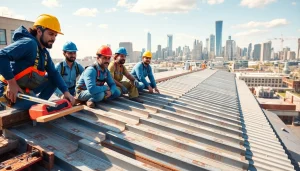
Understanding Commercial Roofing Services
What Are Commercial Roofing Services?
Commercial roofing services encompass a wide range of specialized techniques and materials tailored specifically for commercial properties. Unlike residential roofing, which is generally simpler in design and requirements, commercial roofing takes into account both the complex structural demands and the unique functionalities of business environments. Examples of commercial roofing services include installation, repair, and maintenance of flat roofs, metal roofs, and other specialized roofing systems designed to accommodate larger spaces and heavier usage scenarios.
These services are vital not only for the protection they provide to the building but also for the overall operational continuity of a business. A reliable roof prevents water leaks, reduces energy costs, and shields against environmental hazards. Whether you own a small storefront or a large warehouse, understanding and securing professional commercial roofing services can significantly impact your property’s longevity and your business’s success.
Types of Commercial Roofing Materials
The choice of roofing material is a critical aspect of commercial roofing services. Several materials are commonly used in the industry, including:
- EPDM (Ethylene Propylene Diene Monomer): A durable, rubber-like material best suited for flat roofing systems. It is known for its weather resistance and energy efficiency.
- TPO (Thermoplastic Olefin): A reflective roofing membrane that offers UV resistance and can help lower cooling costs, ideal for flat roofs.
- Modified Bitumen: This modified form of traditional asphalt is often used for low-slope roofs, providing excellent waterproofing capabilities.
- Metal Roofing: Available in various styles, metal roofing is known for its durability, longevity, and resistance to harsh weather conditions.
- Built-Up Roofing: Layers of roofing felt and asphalt create a thick, water-resistant barrier, often seen on large commercial buildings.
The selection of materials influences not just the performance and durability of the roof, but also its aesthetics and compliance with local building codes. Each type offers distinct advantages, and understanding these is essential when discussing your commercial roofing options.
Benefits of Professional Roofing Services
Investing in professional roofing services comes with numerous benefits that extend beyond mere installation. The key advantages include:
- Expertise: Professional roofers bring extensive knowledge and experience on various types of roofing systems, guiding you to the best choice for your needs.
- Quality Assurance: Using professional services ensures superior installation quality and adherence to safety standards, which can significantly reduce future repair costs.
- Warranty Protection: Many reputable roofing contractors offer warranties that guarantee materials and workmanship, providing added peace of mind.
- Improved Energy Efficiency: An expert installation optimizes insulation and roofing materials, leading to potential savings on energy bills over time.
- Timely Maintenance: Regular maintenance from professionals helps catch issues before they escalate, prolonging the roof’s lifespan.
Ultimately, the investment in professional roofing services pays dividends in terms of reduced headaches and lower overall costs associated with roof management.
Choosing the Right Commercial Roofing Services
Evaluating Your Roofing Needs
Choosing the appropriate commercial roofing services starts with a comprehensive evaluation of your needs. Key considerations include:
- Property Type: The type of building (retail, warehouse, office) will often dictate your roofing requirements.
- Climate Conditions: Assessing your geographic location’s weather patterns can influence material choice and roofing style.
- Budge Allocation: Understanding your budget helps in determining feasible options without compromising quality.
- Future Expansion Plans: Consider if your roofing needs might change in the future due to business growth or modifications.
Engaging a reliable roofing consultant early in this process can provide invaluable insights and help tailor solutions that meet your unique operational needs.
Factors to Consider When Hiring
When it comes to selecting a roofing contractor, several factors should influence your choice:
- Reputation and Experience: Look for contractors with a solid track record and positive customer reviews in commercial roofing.
- Licensing and Insurance: Ensure that your contractor holds the necessary licenses and insurance to protect both your property and their workers.
- Written Estimates: Obtain detailed, written estimates from multiple contractors, making sure to compare their scope of work and materials.
- Manufacturer Certifications: Contractors who are certified by roofing material manufacturers often have undergone significant training and follow best installation practices.
- Post-Installation Support: Ask about maintenance services and warranties offered post-installation; a reliable contractor will provide ongoing support.
Choosing wisely can save you time and money in the long run, ensuring that your investment in commercial roofing services pays off.
Common Misconceptions About Commercial Roofing
Misinformation can lead to poor decision-making in commercial roofing. Here are several misconceptions debunked:
- All Roofs Are the Same: Each roofing system has different benefits, lifespan, and maintenance needs depending on the material and type of building.
- Roofing Problems are Visible: Many issues develop beneath the surface, requiring regular inspections to catch signs of damage early.
- DIY Can Save Money: While DIY may seem cost-effective, professional installations ensure compliance with safety regulations and offer quality assurance.
- All Contractors Offer Similar Services: Service quality varies widely; do thorough research to find a contractor that meets your specific requirements.
- Maintenance is Optional: Regular maintenance is crucial for extending the life of your roof and protecting your investment.
Understanding the realities of commercial roofing helps property owners invest wisely and maintain their roofs more effectively.
Best Practices for Commercial Roof Maintenance
Routine Inspection Techniques
Regular inspections are foundational to maintaining your commercial roof. Best practices include:
- Seasonal Inspections: Conduct inspections at least twice a year, ideally in spring and fall, to assess any potential weather-related damage.
- Visual Checks: Look for obvious signs of wear such as cracks, pooling water, punctures, or rust on metal roofing.
- Access to All Areas: Ensure all roof areas are visible and accessible during inspections, including flat surfaces and stringers.
- Use of Technology: Consider infrared scanning to locate heat loss, revealing areas that may need repair.
Implementing structured inspection protocols not only allows early detection of problems but also helps maintain overall roofing integrity.
Timely Repairs to Maximize Lifespan
Addressing repairs as soon as issues are identified can significantly prolong your roof’s lifespan. Key strategies include:
- Prompt Action: Deal with leaks and cracks immediately to prevent costly water damage and structural issues.
- Professional Input: Engage qualified roofing contractors for evaluations and repairs to ensure the work meets safety and quality standards.
- Document Repairs: Keep detailed records of maintenance and repair work; this documentation is valuable for both tracking and potential future sales.
Being responsive to repair needs is crucial in safeguarding the longevity of your roof.
Seasonal Maintenance Checklist
Implementing a yearly maintenance checklist can streamline and simplify roof upkeep. Essential elements to consider include:
- Debris Removal: Clear away leaves, branches, dirt, and any other debris that can trap moisture on your roof.
- Drainage System Check: Ensure all gutters and downspouts are free of obstructions to facilitate proper drainage.
- Inspect Seams and Flashing: Look for wear on seams and flashing to spot areas vulnerable to leaks.
- Interior Inspections: Check ceilings and walls for stains or discoloration that could signify roof leaks.
- Report Findings: Document every inspection and repair, highlighting any urgent issues to address.
By adhering to a seasonal maintenance routine, property owners can avoid larger problems and sustain the effectiveness of their commercial roofing investment.
Commercial Roofing Services Installation Process
Steps to Take Before Installation
- Site Assessment: Conduct a thorough assessment of the site to evaluate roof size, slope, and any obstacles that may affect installation logistics.
- Material Selection: Decide on the roofing materials that best fit your building’s needs, taking both practicality and aesthetic elements into account.
- Budget Planning: Compile a detailed budget, taking into account both installation costs and potential future maintenance.
- Permits and Regulations: Check local building codes and obtain any necessary permits to avoid complications during the installation process.
Preparing diligently can minimize delays and lead to a smooth installation experience.
Understanding the Installation Timeline
The timeline for a commercial roofing installation may vary based on project scope and material type. Generally, the process involves:
- Preparation Phase: This involves all pre-installation checks, typically lasting 1-2 weeks depending on the complexity.
- Installation Duration: The actual installation can take anywhere from a few days to several weeks, contingent on the roofing system being installed and weather conditions.
- Inspection and Finalization: After installation, a thorough inspection ensures quality control, usually completed in a day.
Discussing the timeline with your contractors upfront can clarify expectations and help manage scheduling effectively.
Post-Installation Support and Warranty
Once installation is complete, understanding post-installation support is crucial. Key considerations include:
- Warranty Terms: Carefully review the warranty offered, focusing on what it covers and its duration.
- Regular Maintenance: Set up a maintenance schedule with your contractor to address any issues before they become significant problems.
- Follow-Up Inspections: Schedule inspections shortly after the installation and regularly thereafter, particularly after severe weather.
This ongoing relationship ensures that your new roof remains in excellent condition well into the future.
Measuring Success: Performance Metrics for Your Roof
Signs of a Quality Roofing Service
- Timeliness: Quality contractors complete projects on schedule and communicate any delays promptly.
- Workmanship Quality: The final look and functionality of the roof should meet or exceed industry standards.
- Customer Service: Responsive communication and willingness to address concerns pre- and post-installation are hallmarks of a reliable service provider.
- Positive Reviews: Checking third-party reviews and ratings can provide additional assurance of service quality.
Establishing clear metrics for assessing service quality helps ensure that your investment in commercial roofing is a savvy one.
Cost vs. Benefit Analysis
Conducting a cost vs. benefit analysis is critical for understanding the value derived from your roofing investment. Key areas to compare include:
- Initial Costs: Evaluate the upfront costs associated with different roofing solutions and their long-term financial impact.
- Longevity and Durability: Consider how a more expensive material might offer longer protection, thus reducing long-term replacement costs.
- Energy Efficiency: Assess potential cost savings on energy bills through improved insulation and reflective materials.
- Maintenance Requirements: Compare the upkeep costs and requirements of various roofing systems over their life cycle.
This analytical approach will help you make informed decisions that align with your financial goals.
Long-term Maintenance Strategy Effectiveness
A successful long-term maintenance strategy should focus on:
- Scheduling Regular Inspections: Implementing a set schedule for inspections ensures problems are caught early, reducing major repairs.
- Upkeeping Documentation: Log everything from inspections to repairs, creating a comprehensive history of roof condition and maintenance.
- Staying Proactive: Anticipating potential issues based on seasonal changes and addressing them promptly keeps your roofing in optimal condition.
- Educating Your Team: Ensure staff is informed about potential roofing problems and knows when to alert management.
Long-term thinking in your maintenance strategy will maximize the return on your commercial roofing investment, ensuring safety and performance for years to come.