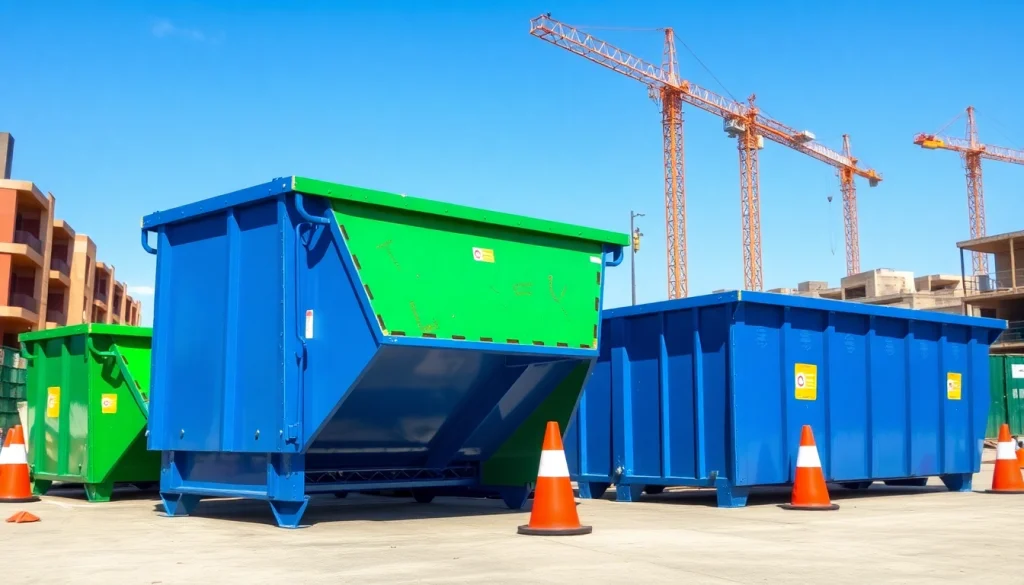
Understanding Roll Off Bins
What Are Roll Off Bins?
Roll off bins are large containers typically used in construction, renovation, and large-scale clean-up projects for waste management. These bins are designed for easy delivery and pick-up, allowing for efficient removal of debris, junk, or other types of waste. Their design, featuring open tops and wheels for transport, makes them ideal for disposing of substantial amounts of material at once. Utilizing roll off bins can dramatically simplify the waste disposal process for both residential and commercial projects.
Types of Roll Off Bins Available
Roll off bins come in various sizes and types to suit different needs. The most common sizes range from 10 to 40 cubic yards. Here are the types of roll off bins you might encounter:
- 10-Yard Roll Off Bin: Ideal for small home renovations, garage cleanouts, or landscaping projects.
- 20-Yard Roll Off Bin: Suitable for medium-sized projects, such as larger renovations or commercial cleanouts.
- 30-Yard Roll Off Bin: Commonly used for large construction jobs or major renovation projects.
- 40-Yard Roll Off Bin: Designed for very large projects, including major construction or large commercial renovations.
Applications in Waste Management
Roll off bins are versatile and find applications in numerous areas of waste management. They are extensively used in:
- Construction Sites: For disposing of construction debris, including wood, metal, and other materials.
- Residential Cleanouts: Perfect for decluttering basements, attics, or garages.
- Landscaping Projects: Used for disposing of soil, rocks, and other yard waste.
- Event Waste Management: Efficient for managing waste during large events, ensuring the venue remains clutter-free.
- Demolition Projects: Ideal for quick removal of materials during demolition.
Benefits of Using Roll Off Bins
Cost-Effectiveness of Roll Off Bins
One significant advantage of using roll off bins is their cost-effectiveness. Renting a roll off bin often turns out to be cheaper than multiple trips to a landfill or waste disposal site. Businesses and homeowners can manage large volumes of waste in one go, ultimately saving both time and resources.
Furthermore, many rental services provide transparent pricing structures, ensuring no hidden fees. This predictability in costs helps users budget effectively for their projects.
Environmental Impact and Sustainability
Using roll off bins can have a positive environmental impact. These bins facilitate proper waste disposal and recycling, promoting sustainability. By separating recyclable materials from general waste, users can significantly reduce landfill contributions, ensuring more resources are reused and less waste is generated.
Additionally, many companies specialize in environmentally friendly disposal processes, helping project managers comply with regulations while safeguarding the planet. Regularly utilizing roll off bins significantly contributes to a more sustainable future.
Convenience and Versatility
Roll off bins offer unmatched convenience. Their easy loading design means users can toss debris directly into the bin without needing complicated machinery. This decreases the time spent on waste management and allows projects to proceed more smoothly.
Furthermore, the versatility of roll off bins enables them to be used for a wide range of applications—from home renovation cleanouts to commercial construction sites. Their adaptability makes them a go-to choice for various projects, catering to diverse waste types and volumes.
How to Choose the Right Roll Off Bins
Assessing Project Size and Waste Type
The first step in selecting the appropriate roll off bin is to evaluate the size of your project and the type of waste involved. Small projects, like garage cleanouts, may only require a 10-yard bin, while large construction sites could need a 40-yard bin. Consider not only the volume but also the nature of the waste—certain types may require specific bin types.
Properly assessing these details will ensure you select a bin that accommodates your waste effectively, avoiding unnecessary costs or overloading issues.
Regulatory Considerations for Roll Off Bins
When choosing a roll off bin, be mindful of local regulations regarding waste disposal. Different regions may have restrictions on what can be thrown away and how to dispose of hazardous materials. Understanding these regulations can prevent legal issues and fines.
Always consult your rental service provider about the specific rules in your area and ensure compliance to maintain a smooth disposal process.
Rental vs. Purchase of Roll Off Bins
The decision between renting or purchasing roll off bins depends largely on the frequency of your waste management needs. For occasional use, renting is typically more economical. It eliminates the hassle of storage, maintenance, and potential depreciation associated with owning bins.
Conversely, businesses involved in frequent projects may benefit from purchasing roll off bins, as this investment could lead to long-term savings. Careful consideration of your current and future needs will guide this decision.
Best Practices for Using Roll Off Bins
Proper Loading Techniques
Efficient loading techniques can maximize the effectiveness of roll off bins. To avoid overloading, which can incur additional charges, spread the waste evenly throughout the bin. It’s essential to ensure heavier items are placed at the bottom, with lighter materials on top. This balance not only optimizes space but also prevents damage during transport.
Maintaining Safety Standards
Safety should always take precedence when using roll off bins. Ensure that all workers involved in the loading process are trained on proper procedures and safety protocols to prevent accidents. This might include wearing gloves, managing heavy items with care, and employing appropriate lifting techniques.
Implementing safety standards not only protects workers but also fosters a culture of responsibility and care within teams.
Compliance with Local Regulations
As mentioned earlier, adhering to local regulations concerning waste management is crucial when utilizing roll off bins. Familiarize yourself with disposal requirements in your area, especially regarding prohibited items and hazardous materials.
Incorporating these compliance measures ensures a smoother and legally sound disposal process that respects environmental and community standards.
FAQs About Roll Off Bins
What size roll off bins are available?
Roll off bins come in various sizes ranging from 10 to 40 cubic yards to fit different project needs.
Are roll off bins environmentally friendly?
Yes, roll off bins facilitate recycling and proper waste disposal, promoting environmental sustainability.
How long can I keep a rental roll off bin?
Rental periods vary, but typically range from a few days to several weeks, adjustable based on your needs.
Can I use roll off bins for hazardous waste?
Certain roll off bins are designated for hazardous waste; check local regulations for specifics on disposal.
How do I schedule a pickup for a roll off bin?
Contact your rental service provider to arrange a pickup, specifying the time and location for convenience.