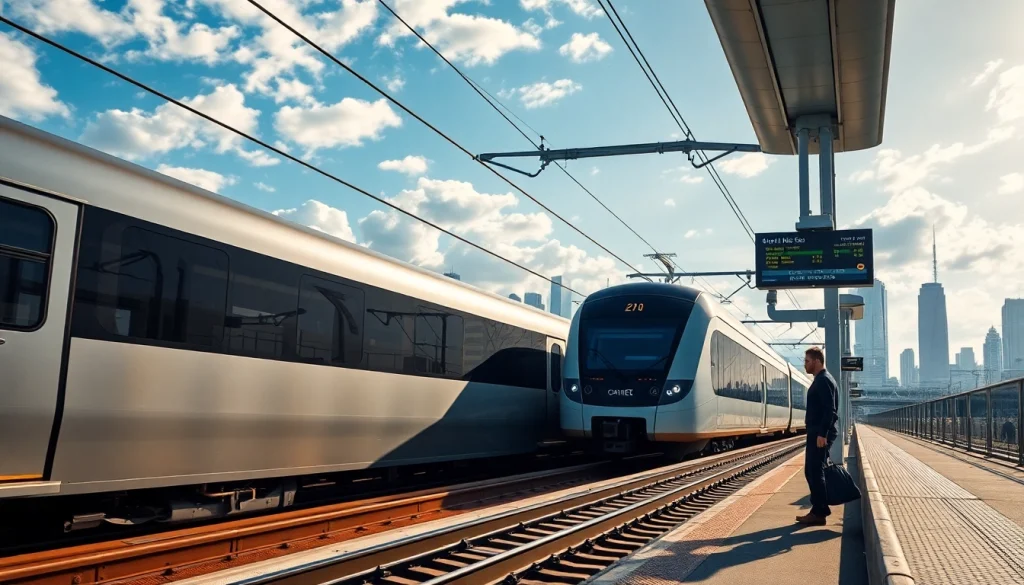
Introduction to Rail Systems
Rail systems are fundamental to transportation infrastructure, facilitating the movement of people and goods efficiently across various distances. With roots tracing back to the early 19th century, rail systems have evolved significantly, becoming an integral part of modern society. Today, these systems are known not only for their practicality but also for their role in reducing environmental impact compared to other forms of transport.
The significance of rail systems extends beyond mere transit solutions; they embody a complex network of engineering, technology, and strategic planning. Understanding the various elements that compose rail systems can help stakeholders make informed decisions about their development and modernization.
Understanding the Basics of Rail Systems
Rail systems consist of tracks, stations, rolling stock, and the infrastructure that supports them. They can be classified into various types based on their application, including freight, passenger, urban, and high-speed systems. Each system serves a unique purpose, catering to different segments of the population and types of goods. At their core, rail systems aim to provide reliable, efficient, and cost-effective transportation solutions.
The Historical Development of Rail Systems
Rail systems originated in England with the introduction of horse-drawn railways in the early 17th century. However, the first locomotive-powered railway was established in the 1820s. The success of early rail systems triggered rapid expansion across Europe and North America, driven by industrialization and urbanization. Over the decades, rail systems have adapted to technological advances, societal needs, and environmental concerns.
Key Components of Modern Rail Systems
Modern rail systems consist of several key components, including:
- Tracks: The foundational element of any rail system, tracks are engineered to support various types of trains, from heavy freight to high-speed passenger trains.
- Signaling Systems: Advanced signaling technologies ensure safe operation, minimizing the risk of accidents through automated systems that manage train movements.
- Rolling Stock: This includes all vehicles that move on a railway, such as locomotives and carriages, designed for efficiency and passenger comfort.
- Stations: Key points for passenger embarkation and disembarkation, incorporating amenities that cater to various customer needs.
- Maintenance Facilities: Essential to ensure the longevity and reliability of the system, these facilities handle repairs and upgrades.
Types of Rail Systems
Heavy Rail Systems: Features and Benefits
Heavy rail systems are intended for long-distance transport, accommodating larger trains capable of carrying significant passenger or freight loads. Features of heavy rail systems include:
- High-capacity trains that can transport large numbers of passengers or goods.
- Dedicated tracks that often allow for faster speeds and less congestion.
- Extended service networks connecting urban centers and suburban areas.
The benefits include reduced travel times, decreased road congestion, and lower operational costs per passenger or ton-mile, making heavy rail a preferable option for mass transit.
Light Rail Systems: An Overview
Light rail systems serve urban environments, bridging the gap between buses and heavy rail systems. They typically operate on city streets and have lower capacity and speed than heavy rail. Key aspects include:
- Flexible routes often integrated into existing road networks.
- Lower construction and operating costs compared to heavy rail.
- Ability to share tracks with other forms of transport in mixed traffic situations.
High-Speed Rail Systems: Impact and Efficiency
High-speed rail systems offer fast, efficient alternatives to air travel over medium distances. They operate at speeds exceeding 155 miles per hour (250 km/h) and have an enormous impact on regional connectivity. Significant benefits include:
- Faster travel times compared to conventional rail and air travel.
- Reducing carbon emissions and traffic congestion by promoting public transport use.
- Stimulating economic growth by improving access to jobs and services.
Countries like Japan and France have successfully implemented high-speed rail networks, observing tangible benefits in terms of ridership growth and economic development.
Design and Engineering of Rail Systems
Technical Aspects of Rail Systems Design
The design and engineering of rail systems encompass a plethora of technical considerations. Engineers must account for track alignment, gradient, load-bearing capacities, and material selection, ensuring safety and efficiency from the outset. Computational modeling is often employed for simulating different scenarios, allowing engineers to optimize designs based on projected usage patterns.
Safety Standards and Innovations in Rail Systems
Safety is paramount in rail systems, necessitating rigorous standards and protocols. Innovations in this sector include:
- Automatic Train Control (ATC) systems that enhance operational safety by monitoring train positions and speeds.
- Positive Train Control (PTC) technology which prevents collisions and derailments through real-time data analysis.
- Regular inspections and maintenance schedules designed to identify and rectify faults before they result in safety threats.
Environmental Considerations in Rail Systems Engineering
The environmental impact of rail systems is a critical focus in current engineering practices. With increasing awareness of climate change, several measures are being implemented to mitigate the ecological footprint. Key strategies include:
- Utilizing energy-efficient technologies and renewable energy sources.
- Implementing biodiverse landscaping around stations and tracks to enhance local ecosystems.
- Promoting sustainable materials in construction and maintenance operations.
Challenges Facing Rail Systems Today
Funding and Budget Constraints for Rail Systems
Financing rail systems poses significant challenges. Many projects face budget shortfalls due to political, economic, and logistical complexities. Innovative financing models such as public-private partnerships (PPPs) can alleviate funding pressures, ensuring that necessary expansions and upgrades can proceed.
Technological Upgrades in Existing Rail Systems
While newer rail systems benefit from cutting-edge technology, older systems often struggle to keep pace. Implementing upgrades is essential for improving efficiency and safety without disrupting services. Factors to consider include:
- Incorporating digital management systems to optimize scheduling and operations.
- Retrofitting older vehicles with modern safety devices.
- Integrating smart technologies to enhance passenger experience through real-time information.
Addressing Passenger Needs and Expectations
As urban populations grow, so do passenger expectations regarding rail services. They seek reliability, comfort, and efficiency. Meeting these demands requires a deep understanding of consumer behavior and preferences. Strategies to address this include:
- Incorporating customer feedback mechanisms to continually improve services.
- Expanding capacity through infrastructure enhancements and strategic scheduling.
- Implementing improved communication channels to keep passengers informed about changes in service.
The Future of Rail Systems
Emerging Technologies in Rail Systems
The future of rail systems is being shaped by innovative technologies such as artificial intelligence (AI), predictive maintenance, and electrified rail systems. AI can optimize scheduling and improve operational efficiency, while predictive maintenance helps in anticipating equipment failures before they occur, thereby maintaining service reliability.
Smart Rail Systems: Integration with IoT
Integrating the Internet of Things (IoT) into rail systems promises significant advantages in real-time data management. By embedding sensors in trains and tracks, operators can monitor conditions and performance constantly, resulting in improved safety measures and efficient maintenance strategies. Benefits include:
- Enhanced operational efficiency through real-time tracking and monitoring.
- Improved safety and emergency response capabilities.
- Better passenger engagement with personalized information and services.
Prospective Developments in High-Speed and Urban Rail Systems
The ongoing development of high-speed and urban rail systems is positioning them as vital components in the transportation ecosystem. These systems are likely to evolve with greater emphasis on sustainability and innovation. Future developments may include:
- Expanding high-speed networks to underserved regions to foster economic growth.
- Customization of urban rail options tailored to local needs, enhancing accessibility and user satisfaction.
- Collaboration with smart city initiatives to facilitate multi-modal transport integration.
Frequently Asked Questions
What are rail systems?
Rail systems are networks of tracks and infrastructures designed for train transport, serving various passenger and freight needs.
How do rail systems differ from each other?
Rail systems vary based on their purpose, such as heavy rail for long-distance travel, light rail for short commutes, and high-speed rail for quick transit.
What innovations impact rail systems?
Technological advancements, like automated trains, greener energy solutions, and smart city integration, are transforming rail systems.
What are the safety measures in rail systems?
Modern rail systems incorporate advanced signaling, regular inspections, and emergency protocols to ensure passenger safety and operational reliability.
How can rail systems benefit the environment?
Rail systems are energy-efficient, reducing carbon footprints by providing an alternative to road transport and promoting sustainable urban development.