Introduction to Railroad Engineering
Definition and Importance of Railroad Engineering
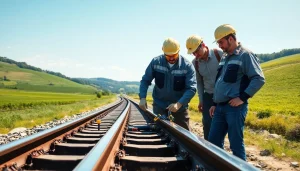
Railroad engineering refers to the design, construction, and maintenance of railway systems that transport both passengers and freight reliably and safely. This specialization within civil engineering encompasses a wide range of activities, from track laying and maintenance to the design of stations and signaling systems. The importance of Railroad Engineering cannot be overstated; it serves as the backbone of efficient transportation networks, fostering economic development, environmental sustainability, and enhanced connectivity among communities.
Historical Background of Railroad Engineering
The roots of railroad engineering stretch back to the early 19th century with the advent of steam locomotives. The world’s first public railway to use steam locomotives was the Stockton and Darlington Railway in England, which opened in 1825. This marked a revolutionary shift in transportation, paving the way for extensive railroad networks across Europe, North America, and beyond. Over the decades, advancements in technology transformed railroad engineering, introducing more sophisticated materials, construction techniques, and operational methodologies. For instance, the introduction of welded rail technology in the mid-20th century improved track durability exponentially.
Current Trends in Railroad Engineering
Today, railroad engineering is influenced by multiple trends, including the push for electrification, the adoption of automation, and an increased focus on sustainability. Electrified rail systems are becoming more common, reducing reliance on fossil fuels and promoting cleaner transportation. Furthermore, automation technology, such as the use of drones for track inspections and advanced signaling systems, enhances efficiency and safety. There’s also a growing commitment to environmentally friendly practices, emphasizing the importance of minimizing the ecological footprint of railway operations.
Fundamental Principles of Railroad Engineering
Rail Design and Materials
Rail design is critical to ensuring the safety and longevity of track infrastructure. Rails are typically made from steel due to its strength and durability, able to withstand substantial loads and stress. Different grades of steel are used depending on the specific requirements of the railway—heavy-duty lines may utilize high-carbon steel for added resilience. Rail design also includes considerations for geometry, weight, and weight distribution, which are crucial for stability and vehicle dynamic performance.
Track Alignment Techniques
Track alignment involves meticulous planning and execution to ensure smooth and safe train operations. Techniques for track alignment can include horizontal and vertical curvature adjustments, utilizing tools like theodolites and leveling instruments. Achieving proper alignment minimizes wear and tear on rolling stock and maintains safe operating speeds. Factors such as topography, subsoil characteristics, and environmental considerations all play a vital role in alignment decisions. The integration of Geographic Information Systems (GIS) technology has helped engineers improve alignment accuracy and efficiency in recent projects.
Safety Standards in Railroad Engineering
Safety is paramount in railroad engineering. Engineers must adhere to specific national and international safety standards, such as those outlined by the Federal Railroad Administration (FRA) and the International Union of Railways (UIC). These standards cover various aspects, including structural integrity, operational procedures, and maintenance practices. Regular inspections, the implementation of advanced signaling systems, and training programs for personnel are essential measures to mitigate risks and ensure passenger and freight safety across rail networks.
Modern Technologies in Railroad Engineering
Software and Simulation Tools
Modern railroad engineering relies heavily on sophisticated software and simulation tools that enhance design, planning, and operational efficiency. Software such as Computer-Aided Design (CAD) and Building Information Modeling (BIM) enables engineers to visualize projects and identify potential issues before construction begins. Additionally, simulation tools allow for dynamic modeling of train movements and infrastructure interactions, providing insight into system performance under various scenarios. This predictive capability helps optimize design choices and can lead to significant cost savings in projects.
Innovations in Rail Construction
Innovative construction methods, such as precast concrete ties and continuous welded rail systems, have revolutionized how rail infrastructure is built. Precast concrete ties enhance durability and reduce installation time, while continuous welded rail eliminates joint-related problems, resulting in smoother rides and decreased maintenance. Modular construction practices are also gaining traction, allowing for faster assembly and reduced disturbances to existing rail operations during construction. These innovations contribute to building robust rail systems that can withstand modern demands.
Data-Driven Approaches to Maintenance
The advent of big data and IoT technologies has transformed maintenance practices in railroad engineering. By employing data-driven approaches, rail operators can monitor asset conditions in real-time and perform predictive maintenance, addressing issues before they become critical. Sensors positioned along the track can track wear and tear, temperature fluctuations, and vibrations, sending alerts for necessary interventions. This proactive strategy not only improves safety but also optimizes operational efficiency and reduces costs associated with unscheduled downtimes.
Challenges in Railroad Engineering
Environmental and Community Impact
Railroad projects often encounter significant environmental and community challenges. The construction of new lines can disrupt local ecosystems and habitats, prompting the need for comprehensive environmental impact assessments. Community concerns regarding noise, safety, and land use must also be addressed through public consultations and mitigative planning. Engaging local stakeholders and implementing sustainable practices can help alleviate opposition and foster community support for railroad projects.
Budget Constraints and Funding Issues
With escalating costs associated with construction and maintenance, budget constraints pose a significant challenge for railroad engineering projects. Financing such initiatives often depends on a combination of government funding, public-private partnerships, and federal grants. Proper project planning and phased funding strategies can help manage costs and ensure project feasibility. Additionally, focusing on cost-effective designs without compromising quality is paramount. Transparent budgeting practices also build stakeholder trust and facilitate smoother project approvals.
Technological Adaptation Challenges
This era of rapid technological advancement presents unique challenges for the railroad industry in terms of adaptation. Older systems and infrastructure often require upgrades to integrate new technologies effectively. This can involve substantial investment and workforce retraining. Resistance to change from established organizations or personnel can further complicate the implementation of innovative solutions. Establishing a robust change management process and fostering a culture of continuous improvement can help organizations navigate these adaptation challenges effectively.
Future of Railroad Engineering
Emerging Trends and Innovations
The future of railroad engineering appears promising, with emerging trends such as autonomous train operations and hyperloop technology potentially reshaping the landscape of rail transport. Innovations in energy sourcing, such as hydrogen-powered trains, align with global initiatives toward decarbonization. Furthermore, advancements in digital technologies, including AI and machine learning, are expected to play a critical role in optimizing operations and enhancing safety protocols in rail operations.
Global Developments in Railway Systems
Globally, many countries are investing heavily in upgrading their rail networks, reflecting the recognition of rail as a sustainable mode of transport. Countries such as China and Japan are leading the way with their extensive high-speed rail systems. These developments encourage cross-border rail connections, supporting international trade and tourism. Furthermore, collaboration among nations to share technologies and best practices could further enhance the efficiency and effectiveness of rail systems worldwide.
Strategies for Sustainable Growth in Railroad Engineering
To ensure sustainable growth in railroad engineering, a multi-faceted approach is essential. Emphasizing resilience and adaptability in design can help infrastructure withstand the effects of climate change, such as extreme weather events. Furthermore, investing in renewable energy sources, improving energy efficiency, and integrating sustainable materials can minimize environmental impact. Strategic planning and collaboration among stakeholders will facilitate long-term success in meeting the growing demands for efficient rail transport.
FAQs
What are the key roles in railroad engineering?
Key roles include track design engineers, construction managers, and safety inspectors, all crucial for railway integrity.
What materials are commonly used in railroad engineering?
Common materials include steel for tracks, concrete for ties, and gravel for ballast, providing durability and stability.
How does technology impact railroad engineering?
Technology enhances design precision, speeds up construction processes, and improves safety through advanced monitoring systems.
What are common safety measures in railroad engineering?
Common safety measures include regular inspections, implementing safety protocols, and using advanced warning systems to prevent accidents.
Why is environmental consideration important in railroad engineering?
Environmental consideration is vital to minimize habitat disruption and reduce the carbon footprint of railway construction and operation.