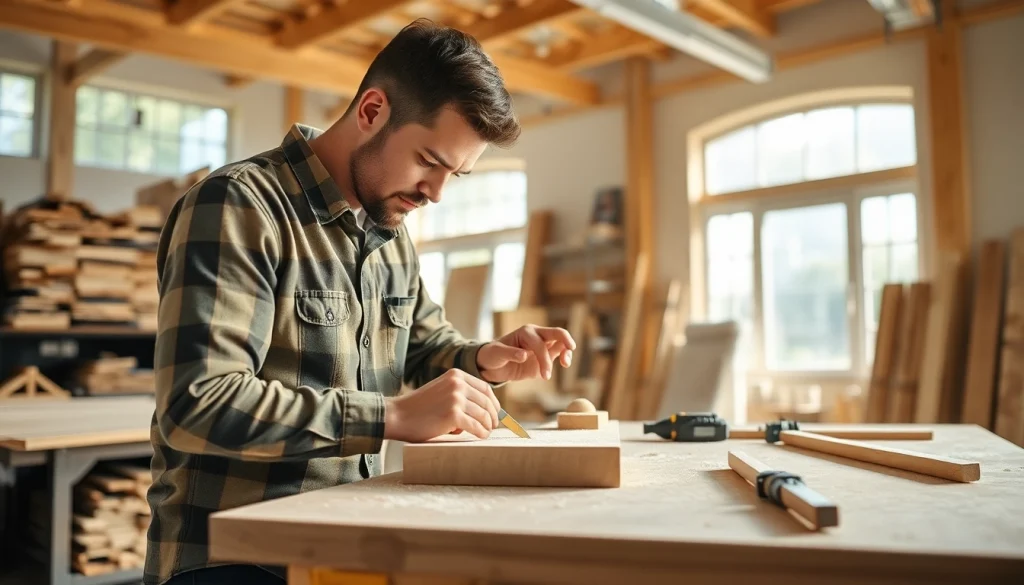
Introduction to Carpenter Skills
Carpentry is an age-old craft that combines artistry and technical know-how. Modern carpenters are skilled tradespeople who possess the ability to transform raw materials into functional and beautiful structures. From crafting bespoke furniture to home framing, the carpenter field is diverse and constantly evolving. In this article, we will explore the essential skills, tools, techniques, and challenges faced by carpenters today, while providing valuable insights for anyone interested in mastering this craft.
Understanding the Role of a Carpenter
The role of a carpenter extends beyond mere building. Carpenters are involved in the planning, designing, and execution of various woodworking projects. They must understand construction processes and principles, possess a keen eye for detail, and have a strong sense of spatial awareness. Engaging with architects and clients, carpenters interpret plans and create structures that meet both aesthetic and functional requirements.
Essential Tools for Every Carpenter
Equipped with a wide array of tools, carpenters utilize both hand and power tools to accomplish their tasks efficiently. Key tools include:
- Measuring Tools: Tape measures, squares, levels, and calipers ensure accuracy in measurements.
- Cutting Tools: Saws (hand saws, circular saws, and jigsaws), chisels, and knives are essential for cutting and shaping wood.
- Fastening Tools: Hammers, screwdrivers, and nail guns help secure components together.
- Shaping Tools: Planes, routers, and sanders allow for smoothing and shaping wood surfaces.
- Safety Gear: Glasses, gloves, and ear protection are crucial for ensuring a safe working environment.
Types of Carpentry: An Overview
Carpentry is divided into various categories, allowing professionals to specialize in distinct aspects of the craft. Key types include:
- Residential Carpentry: Focuses on constructing residential buildings, including framing and finishing work.
- Commercial Carpentry: Involves larger structures, such as offices and retail spaces, where sturdiness and design are critical.
- Cabinetry: Entails designing and building custom cabinets and furniture, requiring a high level of detail.
- Formwork: Involves creating molds for concrete structures, requiring precision to ensure stability and integrity.
Core Skills of a Carpenter
Measuring and Planning Techniques
Accurate measurements and meticulous planning are foundational skills for any carpenter. Proper measurement techniques prevent costly errors and ensure alignment across all components. Carpenters often use trigonometric principles to calculate angles, especially in complex projects. A well-thought-out plan outlines material needs, step-by-step processes, and timelines, ultimately leading to a smoother construction experience.
Cutting and Shaping Wood Properly
The ability to cut and shape wood with precision is vital. Carpenters employ various saws and tools to achieve specific cuts, such as crosscuts, rip cuts, and miter cuts. Understanding wood grain and its properties allows for effective shaping, contributing to both functionality and aesthetics in the final piece.
Jointing Methods for Stronger Structures
Jointing techniques play a critical role in ensuring the structural integrity of woodwork. Carpenters often utilize various joints like butt joints, dovetail joints, and mortise and tenon joints. Choosing the right joint for each application depends on the load, movement, and aesthetics required. Each method demands a high level of precision and craftsmanship to ensure durability and strength.
Advanced Carpentry Techniques
Understanding Framing and Structure
Framing forms the skeleton of any structure, making it essential for carpenters to grasp various framing techniques such as platform framing and balloon framing. Knowledge of load-bearing walls, beams, and trusses is critical for ensuring the stability and safety of buildings. Understanding building codes and regulations further ensures that all constructions are up to standard.
Finishing Techniques for Aesthetic Appeal
The finishing touches define the visual presentation of a carpentry project. Techniques such as staining, painting, and applying clear finishes enhance the appearance of wood and protect it against wear. Carpenters must also be aware of the different finishes’ drying and curing times and compatibility with various wood types.
Custom Carpentry Projects: Ideas and Tips
Custom carpentry allows for creative expression and personalization in woodworking projects. Ideas for custom projects include:
- Built-in bookcases that maximize space.
- Unique coffee tables incorporating mixed materials.
- Custom cabinetry that enhances kitchen functionality.
When embarking on custom projects, it is important for carpenters to maintain clear communication with clients to understand their vision and incorporate their preferences into the design.
Challenges Faced by Carpenters
Common Mistakes and How to Avoid Them
Even seasoned carpenters can make mistakes. Common blunders include miscalculating measurements, neglecting safety protocols, or using incorrect materials. To minimize errors, it is essential to double-check measurements, adhere to safety guidelines, and maintain an organized workspace. Continuous learning and reflection on past projects can also contribute to skill improvement.
Dealing with Material Limitations
Carpenters often face challenges with material limitations, whether due to availability, cost, or quality. Learning how to adapt designs to accommodate different materials can enhance creativity. For instance, a project initially designed for solid wood may be adjusted to utilize plywood or engineered materials where appropriate, balancing budget constraints with quality requirements.
Staying Safe in the Workshop
Safety should always be a priority in carpentry. Carpenters need to be proactive about their workspace safety by wearing appropriate protective gear and maintaining a clutter-free environment. Following safety protocols for tools, knowing emergency procedures, and receiving training on equipment operation are essential steps in preventing accidents in the workshop.
Frequently Asked Questions About Carpentry
What qualifications do I need to become a carpenter?
Typically, a high school diploma and an apprenticeship are required, along with hands-on experience to develop practical skills.
How long does it take to become a skilled carpenter?
It usually takes 3-4 years of training and practical experience to become a skilled carpenter, including apprenticeships.
What is the average salary of a carpenter?
A carpenter’s salary can vary widely, typically ranging from $40,000 to $70,000 annually, depending on experience and specialization.
What types of projects can carpenters work on?
Carpenters can undertake diverse projects, including furniture making, home framing, cabinetry, and custom installations that showcase their skills.
How can I improve my carpentry skills?
Regular practice, continuing education, and learning from experienced carpenters are effective ways to enhance carpentry skills and craftsmanship.