Understanding Types of Refrigerators
Explore the Main Categories of Refrigerator
Refrigerators come in various sizes and styles, each designed to meet specific needs and preferences. Understanding the categories can help you choose the right one for your space. The most common types include:
- Top Freezer Refrigerators: A traditional design with the freezer compartment located above the refrigerator. Ideal for homes with limited space.
- Bottom Freezer Refrigerators: Offers the convenience of having fresh food at eye level, with a freezer section on the bottom.
- Side-by-Side Refrigerators: Features two vertical compartments, one for refrigeration and one for freezing. These models often come with additional features such as water and ice dispensers.
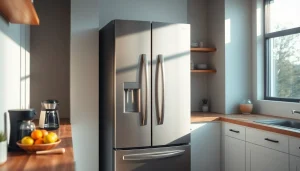
- French Door Refrigerators: Combines a bottom freezer with two doors for the refrigerator, ensuring ample space and various shelving options. They are popular for their modern design and functionality.
- Compact Refrigerators: These smaller models are perfect for dorm rooms, offices, or as a supplemental fridge. They provide essential refrigeration without occupying much space.
- Wine Coolers: A specialized option designed for wine enthusiasts, maintaining ideal temperatures and conditions to preserve wine quality.
Evaluating Energy Efficiency in Refrigerators
Energy efficiency is a critical factor when choosing a Refrigerator. Modern models come with energy-saving features that not only help the environment but also save you money on utility bills. Look for the Refrigerator that bears the Energy Star label, which indicates that it meets strict energy efficiency guidelines set by the U.S. Environmental Protection Agency. Consider features such as:
- Inverter Technology: Provides variable compressor speed, allowing for better energy regulation.
- LED Lighting: Uses less energy and lasts longer than traditional incandescent bulbs.
- Smart Features: Wi-Fi connectivity can help you monitor your appliances and set energy-saving modes remotely.
To assess energy efficiency, review the refrigerator’s annual energy consumption (measured in kilowatt-hours, kWh) as indicated in the product specifications.
Popular Features to Consider in a Refrigerator
When selecting a Refrigerator, consider the features that enhance its performance and convenience. Here are some popular features to look for:
- Adjustable Shelving: Allow flexibility in storing various sizes of food items.
- Humidity-Controlled Crisper Drawers: Maintain freshness for fruits and vegetables.
- Smart Technology: Features like touch screens, Wi-Fi connectivity, and app integration for monitoring food expiration and sending alerts.
- Water and Ice Dispenser: Offers easy access to chilled water and ice, although these can slightly affect the appliance’s energy efficiency.
- Fingerprint-Resistant Finishes: Keep your Refrigerator looking clean and polished with less effort.
How to Measure for Your New Refrigerator
Key Dimensions That Matter
Before purchasing a Refrigerator, accurate measurements of your space are essential. Key dimensions to consider include:
- Width: Measure the space between walls or cabinetry to ensure that the Refrigerator fits comfortably.
- Height: Account for the ceiling height, especially in small kitchens or spaces with cabinets above the fridge.
- Depth: Consider the depth of the Refrigerator, factoring in door swings and how far into your kitchen space the fridge will extend.
Door Clearance Considerations for Refrigerators
When measuring for your new Refrigerator, door clearance is a crucial factor. Ensure that you have enough space for the doors to open completely without obstruction. It allows for easy access to the compartments and drawers. Additionally, consider:
- Clearance space on either side of the Refrigerator for air circulation.
- Any potential objects that may interfere with door operation, like high countertops or cabinets.
Space Planning for Your Refrigerator Installation
Proper planning for your Refrigerator installation ensures that you maximize functionality. Assess the kitchen layout and plan for:
- The flow of movement in your kitchen to avoid bottlenecks during usage.
- Proximity to cooking areas for convenient access when prep cooking.
- Ability to plug in the appliance without obstruction to outlets.
Best Practices for Refrigerator Maintenance
Regular Cleaning Techniques for Your Refrigerator
Regular maintenance of your Refrigerator ensures optimal performance and longevity. Adopt these cleaning techniques:
- Clear Out Expired Food: Regularly check and discard expired items to prevent spoilage from affecting others.
- Wipe Down Shelves and Drawers: Use a mixture of warm water and mild soap on surfaces to maintain hygiene.
- Clean the Coils: Dust and dirt can accumulate on the condenser coils on the back or underneath the Refrigerator, affecting efficiency. Clean these at least twice a year.
Checking and Maintaining the Refrigerator Temperature
Maintaining optimal temperatures is critical for food safety. The ideal temperature range for the refrigerator is 34°F to 40°F (1°C to 4°C). Regularly:
- Use a thermometer to check the actual temperature inside your fridge.
- Adjust the thermostat settings based on seasonal changes in room temperature.
- Ensure that the temperature remains consistent, as fluctuations can affect food preservation.
Identifying and Troubleshooting Common Refrigerator Issues
Common issues with Refrigerators can often be resolved with troubleshooting. Some frequent problems include:
- Temperature Inconsistencies: They can stem from blocked vents or a malfunctioning thermostat.
- Noisy Operation: Increasing noise levels may indicate a failing compressor or loose parts.
- Frost Buildup: This can happen due to an improperly sealed door or a faulty defrost system.
Refer to your owner’s manual for specific troubleshooting steps, as professional help may be required for complex issues.
Upgrading Your Refrigerator: Signs to Look For
Age and Performance Indicators of a Refrigerator
It’s often better to replace aging Refrigerators with newer, more efficient models. Signs indicating that it’s time for an upgrade include:
- Around 10-15 years of age, many models begin showing signs of wear.
- Frequent repairs and rising energy bills reflecting declining efficiency.
- Inconsistent cooling performance leading to spoilage or ice buildup.
When to Repair vs Replace Your Refrigerator
Deciding whether to repair or replace your Refrigerator can be challenging. Factors to consider include:
- The age of your Refrigerator: If it’s close to the end of its lifespan, replacing it may be more economical.
- Cost of repairs compared to replacement: If repairs exceed 50% of the cost of a new one, replacement is often advisable.
- Energy efficiency: New models may reduce your electricity expenses significantly.
Environmental Considerations in Upgrading Your Refrigerator
By upgrading to an energy-efficient Refrigerator, you contribute to environmental sustainability. New models reduce energy consumption and limit pollution through more eco-friendly refrigerants. Consider:
- Choosing models with Energy Star ratings for guaranteed efficiency.
- Recycling your old appliance responsibly, following local regulations for electronic waste.
FAQs About Refrigerators
What size refrigerator do I need for my home?
Your refrigerator size depends on the number of users and space available. A typical family needs around 20-25 cubic feet.
How often should I clean my refrigerator?
You should clean your refrigerator every 3-6 months to maintain hygiene and efficiency.
What temperature should I set my refrigerator?
The ideal refrigerator temperature is between 34°F and 40°F (1°C to 4°C) for optimal food safety.
How can I extend the life of my refrigerator?
Regular maintenance, such as cleaning coils and checking door seals, can help extend the life of your refrigerator.
Is it normal for my refrigerator to make noise?
Some noise is normal; however, loud or unusual noises may indicate a problem that needs checking.