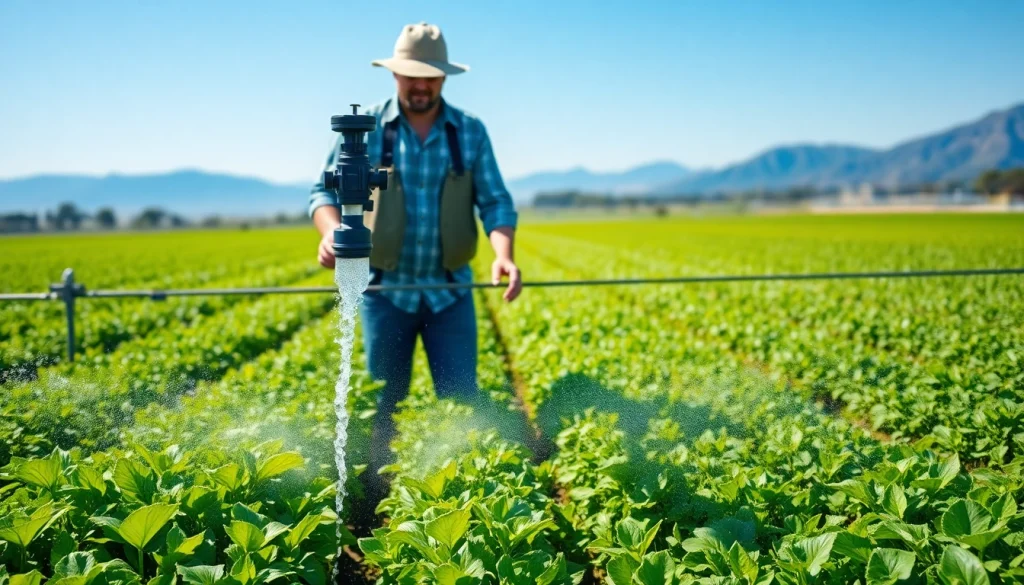
Understanding Land Irrigation
What is Land Irrigation?
Land irrigation is the process of applying controlled amounts of water to plants using various methods. This crucial agricultural practice is designed to enhance crop production, particularly in areas where rainfall is insufficient for optimal plant growth. Effective land irrigation involves a range of techniques adapted to specific types of crops, soil conditions, and local climates, ultimately contributing to sustainable agricultural practices globally.
Importance of Land Irrigation in Agriculture
The significance of land irrigation cannot be overstated. It serves as a lifeline for farmers, particularly in arid and semi-arid regions where rainfall is unpredictable. Reliable irrigation systems increase crop yields, reduce the impact of droughts, and help maintain soil moisture. Furthermore, irrigation fosters agricultural diversification by enabling farmers to grow various crops year-round, contributing to food security and economic stability.
Types of Land Irrigation Techniques
Various irrigation techniques cater to different agricultural needs and environments. Some common methods include:
- Surface Irrigation: Water is applied directly to the soil surface and allowed to flow over the land.
- Drip Irrigation: A highly efficient system that delivers water directly to the plant roots through a network of tubing, minimizing evaporation and runoff.
- Sprinkler Irrigation: Water is sprayed over crops in the form of droplets, mimicking natural rainfall.
- Subsurface Irrigation: Pipes buried beneath the soil deliver water directly to the root zone, thus reducing evaporation losses.
Challenges in Implementing Land Irrigation
Water Scarcity and Management
Water scarcity is one of the foremost challenges in land irrigation. With global water demand on the rise and climate change intensifying, managing available water resources efficiently has become vital. Farmers face the dilemma of maximizing crop yield while conserving water. This requires innovative practices and sustainable approaches to irrigation that prioritize water conservation without sacrificing agricultural productivity.
Environmental Concerns with Land Irrigation
While irrigation is critical for agricultural success, it can also lead to environmental issues if not managed responsibly. Over-irrigation can result in waterlogging, soil salinization, and the depletion of local water bodies. Sustainable irrigation practices, such as precision irrigation, can mitigate these impacts by optimizing water use and improving soil health while minimizing adverse environmental effects.
Economic Impacts on Farmers
Implementing effective land irrigation systems often requires significant financial investment. Farmers may struggle with the initial costs associated with installing modern irrigation technologies or upgrading existing systems. Additionally, the economic implications of water pricing, regulatory frameworks, and market demand fluctuations can complicate financial sustainability in farming operations. Addressing these economic challenges is crucial to ensure farmers can access the resources they need to thrive.
Best Practices for Efficient Land Irrigation
Planning and Designing Irrigation Systems
Effective land irrigation begins with careful planning and system design tailored to specific agricultural needs. A comprehensive assessment of soil types, topography, climate conditions, and crop requirements should inform irrigation strategy. Farmers should also consider water availability, potential sources, and distribution methods to create a sustainable and efficient system.
Modern Irrigation Technologies
Recent advancements in technology have significantly transformed land irrigation practices. Smart irrigation systems, equipped with sensors and controllers, enable real-time monitoring of soil moisture levels and weather conditions. Similarly, automation in irrigation allows for precise water application, reducing waste and enhancing efficiency. Investment in drone technology for aerial assessments further enhances the planning and management of irrigation systems.
Monitoring and Maintaining Irrigation Systems
Ongoing monitoring and maintenance of irrigation systems are vital for optimal performance. Farmers should regularly check equipment for leaks, clogs, or other issues that may reduce efficiency. Implementing data analytics tools can provide insights into system performance, aiding in timely repairs and adjustments, while also ensuring that water usage remains within sustainable limits.
Case Studies in Successful Land Irrigation
Innovative Community Projects
Community-driven irrigation projects have showcased the potential for sustainable agriculture in various parts of the world. For instance, cooperative irrigation schemes in rural communities have led to improved water management practices and increased agricultural productivity. These projects not only provide farmers with reliable water resources but also foster collaboration and shared knowledge, enhancing community resilience against climate variability.
Notable Global Examples
Many countries have successfully implemented large-scale irrigation initiatives. For example, the Green Revolution in Asia transformed agricultural practices, significantly increasing food production through improved irrigation, among other technologies. Similarly, Israel’s pioneering water conservation efforts have demonstrated how innovative irrigation practices can lead to sustainable agriculture even in arid regions, setting a model for others to follow.
Lessons Learned from Successful Implementations
Successful irrigation projects offer valuable lessons in adaptability and continuous learning. Engaging local stakeholders, investing in training, and utilizing technology are key components of effective implementation. Moreover, flexibility in approach allows for necessary adjustments based on environmental changes or market dynamics, ensuring long-term success in agricultural practices.
Future of Land Irrigation
Emerging Technologies in Irrigation
The future of land irrigation looks promising with emerging technologies set to revolutionize the field. Innovations such as automated irrigation systems, AI-driven analysis for predicting water needs, and the use of blockchain for water rights management present exciting opportunities. These advancements aim to enhance efficiency, reduce costs, and ensure sustainable water use in agriculture.
Sustainable Practices for the Future
Looking ahead, sustainable practices will become increasingly imperative. Integrating regenerative agriculture principles, such as cover cropping and agroforestry, with irrigation schemes can enhance soil health and improve water retention. Farmers must adapt to the evolving agricultural landscape by adopting sustainable practices that promote resilience against climate challenges and maintain ecosystem balance.
Policy and Regulation for Land Irrigation
Policies and regulations play a critical role in shaping the future of land irrigation. Governments must implement equitable water management policies to ensure fair access and distribution among farmers. Furthermore, regulations that promote sustainable water use and incentivize innovation in irrigation technologies will contribute to the long-term viability of land irrigation practices in agriculture.
FAQs About Land Irrigation
What is the most common type of irrigation?
Surface irrigation is the most common method, allowing water to flow over the soil to reach plants. It’s widely adopted due to its simplicity and cost-effectiveness.
How does irrigation impact crop yield?
Irrigation significantly boosts crop yield by providing consistent moisture, preventing drought stress, and enabling the cultivation of diverse crops.
What are the environmental impacts of irrigation?
Irrigation can lead to over-extraction of water, soil salinization, and habitat disruption if not managed sustainably. Proper practices can mitigate these effects.
How can farmers improve irrigation efficiency?
Farmers can improve efficiency through techniques like drip irrigation, soil moisture monitoring, and implementing drought-resistant crop varieties. These methods reduce water wastage.
What role do technological advancements play in irrigation?
Technological advancements enhance irrigation by enabling precision watering, automation, and real-time data analysis, leading to optimized water use and improved crop management.