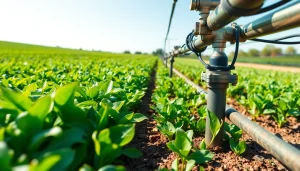
Introduction to Land Irrigation
Land irrigation is a crucial practice in agriculture, where water is systematically supplied to crops to enhance their growth and productivity. This artificial application of water helps in managing soil moisture levels and ensuring that plants receive the hydration they need to thrive, especially in regions prone to drought. With global challenges such as climate change and increasing water scarcity, understanding and implementing effective land irrigation methods is more critical than ever. Various techniques can be employed to optimize resources and ensure sustainable agricultural practices. For those interested in learning more about land irrigation, this guide provides a comprehensive overview of its importance, methods, benefits, and future trends.
Definition and Importance of Land Irrigation
At its core, land irrigation refers to the process of artificially supplying water to soil for the purpose of assisting plant growth. This practice plays a vital role in ensuring that crops receive adequate moisture to maintain health and yield. The significance of effective land irrigation cannot be overstated, particularly in regions that experience low rainfall and where agricultural productivity is essential for both economic stability and food security.
Land irrigation is also integral to efficient resource management. With increasing demands on water supplies due to population growth and urbanization, farmers must adopt innovative irrigation practices to optimize water use. By effectively managing irrigation systems, farmers can not only improve crop yields but also contribute to the sustainability of water resources.
Types of Land Irrigation Methods
Several land irrigation methods can be employed, depending on factors such as soil type, crop requirements, and available resources. The most common irrigation methods include surface irrigation, drip irrigation, and sprinkler irrigation. Each method has distinct advantages and disadvantages, which we will explore further in subsequent sections. Understanding these methods is essential for farmers to select the most suitable system for their specific needs.
Key Benefits of Effective Land Irrigation
Implementing an effective land irrigation system brings numerous benefits, particularly in enhancing agricultural productivity. Some of the key advantages include:
- Increased Crop Yields: Adequate irrigation ensures plants receive sufficient water, leading to healthier growth and higher yields.
- Water Conservation: Efficient irrigation methods help minimize water wastage and improve the sustainability of water use.
- Soil Quality Improvement: Regular watering contributes to better soil quality and structure, promoting nutrient availability.
- Pest and Weed Control: Well-managed irrigation can indirectly control pest populations and reduce weed growth by creating an unfavorable environment for invasive species.
- Adaptation to Climate Variability: Proper land irrigation systems allow farmers to adapt to climate variations, ultimately stabilizing crop production.
Understanding the Different Methods of Land Irrigation
Surface Irrigation: Pros and Cons
Surface irrigation is one of the oldest and most common methods, where water distributes over the surface of fields by gravity. This method can take several forms, such as furrow, basin, or flood irrigation.
Pros: Surface irrigation requires less technical equipment, has lower initial costs, and can be effective in managing larger areas. It also promotes water infiltration into the soil, reducing runoff.
Cons: However, it can lead to uneven water distribution, soil erosion, and waterlogging if not managed properly. To optimize this method, farmers must implement adequate monitoring and soil management practices.
Drip Irrigation: Efficiency and Use Cases
Drip irrigation is a highly efficient method that delivers water directly to the plant roots through a network of tubing and emitters. This system is particularly beneficial for high-value crops, such as fruits and vegetables.
Efficiency: It minimizes water loss due to evaporation and runoff, ensuring that plants receive the precise amount of water needed for optimal growth. Studies have shown that drip irrigation can significantly increase crop yield while reducing water usage by 30-60%.
Use Cases: Drip irrigation is particularly well-suited for arid regions, greenhouses, and orchards. Careful planning is necessary when setting up a drip system to ensure adequate coverage and avoid clogging of emitters.
Sprinkler Systems: Versatility in Land Irrigation
Sprinkler systems function by spraying water over crops, mimicking natural rainfall. These systems can be stationary or mobile, providing flexibility for diverse agricultural settings.
Versatility: Sprinklers can be used on various terrains and are adaptable to different crop types. They are particularly beneficial for large fields and can be automated for precision watering.
Considerations: While effective, sprinkler systems can lead to evaporation losses and may require more energy, depending on the design. Proper maintenance and selection of the right sprinkler head can mitigate these issues.
Choosing the Right Land Irrigation System
Assessing Soil and Crop Needs
When selecting a land irrigation system, the first step is to assess soil types and crop water requirements. Different soil types – such as sandy, clayey, or loamy – have distinct water retention and drainage properties.
Soil Testing: Conducting soil tests can provide insights into moisture-holding capacity, nutrient levels, and pH, ensuring that the selected irrigation method meets crop demands. Additionally, understanding the specific water requirements of different crops will aid in choosing the appropriate system.
Cost Considerations and Budgeting
Budget is a critical factor when selecting an irrigation method. While some systems like drip irrigation offer long-term water savings and increased yields, they may require a higher initial investment. Therefore, it’s essential to analyze both short-term and long-term costs.
Budgeting Tips: Farmers should consider not only equipment costs but also installation, maintenance, and operational expenses when evaluating their budget. Exploring grants and subsidies may also provide financial assistance for implementing advanced irrigation systems.
Scalability and Future Expansion
As agricultural demands change, farmers must consider the scalability of their irrigation systems. Selecting modular systems that can be expanded or upgraded as needed ensures flexibility in adapting to future farming needs.
Strategic Planning: When designing an irrigation infrastructure, planning for potential expansion can prevent costly reengineering. Additionally, incorporating technology that allows for easy upgrades will facilitate prolonged use.
Best Practices for Land Irrigation Management
Scheduling Irrigation for Maximum Efficiency
Creating a well-structured irrigation schedule is essential for maximizing water efficiency. Factors like crop growth stages, weather conditions, and soil moisture levels should be considered when planning irrigation timings.
Irrigation Scheduling Tools: Utilizing technologies such as soil moisture sensors and weather forecasting tools can help determine the ideal irrigation times and amounts, preventing overwatering and ensuring optimal conditions for crops.
Monitoring Soil Moisture Levels
Regular monitoring of soil moisture levels is critical for effective land irrigation management. Understanding how moisture fluctuates helps farmers make informed decisions regarding irrigation practices.
Technological Solutions: Advancements in soil moisture monitoring technologies now allow for real-time data collection, helping farmers manage their systems based on accurate soil conditions and enhancing overall efficiency.
Adopting Technology for Improved Management
The integration of technology in land irrigation practices has revolutionized how farmers manage water resources. From smart irrigation systems that automatically adjust based on weather data to remote monitoring applications, technology can vastly improve irrigation outcomes.
Benefits of Technology: Implementing digital tools enhances resource management, leading to improved sustainability and lower operational costs. As technology evolves, staying informed about the latest innovations will be crucial for competitive agribusinesses.
Challenges and Solutions in Land Irrigation
Water Scarcity and Efficiency Solutions
Water scarcity is a significant challenge faced by farmers globally, emphasizing the need for efficient irrigation solutions. Over-extraction of water reserves and unsustainable practices contribute to dwindling water supplies.
Efficiency Measures: Implementing practices such as rainwater harvesting and adopting more efficient irrigation technologies can help alleviate pressure on water resources. Education and awareness about sustainable practices are also vital components in managing water scarcity.
Pest and Soil Health Management
Effective land irrigation can also have implications for pest management and soil health. Poorly managed irrigation may lead to waterlogged soils, fostering conditions that promote pests and diseases.
Integrated Pest Management: Strategies that combine irrigation management with pest control measures can bolster crop resilience. Understanding the relationship between irrigation and soil health will also facilitate more sustainable outcomes.
Future Trends in Land Irrigation Approaches
The future of land irrigation is likely to focus on increased sustainability, technological integration, and adaptive practices to tackle climate impacts. Emerging trends include the use of AI for predictive analytics, automation of irrigation systems, and the greater use of organic farming techniques.
Actionable Insights: Staying attuned to these trends will be essential for farmers looking to enhance productivity while preserving critical water resources. Participation in workshops and continued education can provide valuable insights into optimizing irrigation practices effectively.
Frequently Asked Questions
What is land irrigation?
Land irrigation is the artificial application of water to soil to assist in the growth of crops, ensuring they receive adequate moisture.
Why is effective land irrigation important?
Effective land irrigation optimizes water use, enhances crop yields, and promotes sustainable agricultural practices, especially in arid regions.
What are the different methods of land irrigation?
The main methods include surface irrigation, drip irrigation, and sprinkler systems, each offering unique benefits and suitability for various crops.
How can I improve my land irrigation system?
Improving your system involves monitoring moisture levels, optimizing irrigation schedules, and integrating technology for efficiency and data tracking.
What challenges are faced in land irrigation?
Challenges include water scarcity, soil health issues, and managing pests, which require innovative solutions and practices to overcome.