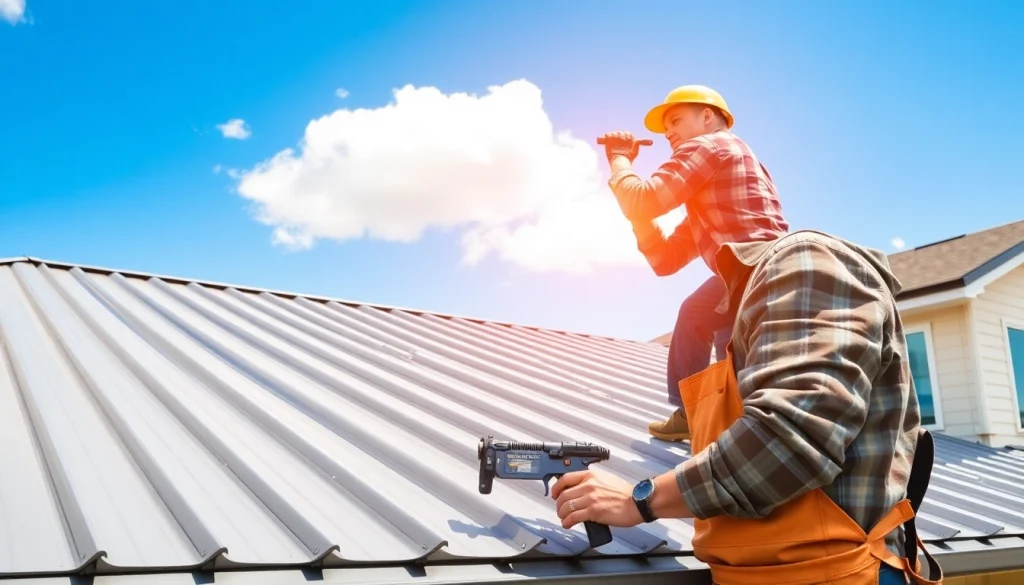
Understanding the Standing Seam Metal Roof
What Is a Standing Seam Metal Roof?
A standing seam metal roof is a type of metal roofing design characterized by vertical seams that rise above the panel’s flat portion. These seams are interlocked, creating a sturdy roofing system that’s both visually appealing and highly functional. Unlike traditional roofing materials, such as asphalt shingles or tiles, this roofing system offers unique advantages in terms of durability, energy efficiency, and aesthetic appeal. Made from various types of metal, including aluminum and steel, the standing seam metal roof is increasingly popular among homeowners looking for long-lasting and low-maintenance solutions. For in-depth information about the advantages of this system, refer to a guide on standing seam metal roof installations and maintenance.
Key Features of Standing Seam Metal Roofs
- Interlocking Seams: The seams interlock at raised points, providing an effective barrier against water infiltration while permitting thermal expansion and contraction.
- Durability: Typically made of high-quality metals, these roofs can withstand extreme weather conditions, including heavy rain, snow, and strong winds.
- Longevity: Many standing seam roofs can last 50 years or more, significantly outlasting traditional roofing options.
- Low Maintenance: They require minimal upkeep, mainly limited to routine inspections and cleaning.
- Energy Efficiency: Metal roofing can reflect solar energy, reducing cooling costs in warmer climates, and some versions can be coated for additional energy efficiency benefits.
Comparing Standing Seam Metal Roof to Traditional Roofing
When comparing standing seam metal roofs to traditional options, several key differences emerge. Traditional roofs, such as shingles and tiles, often require more frequent repairs and replacements due to wear and tear. Standing seam metal roofs resist cracking, shrinking, and eroding, which are common issues with asphalt shingles. Furthermore, the sleek, modern look of a standing seam metal roof can enhance curb appeal significantly compared to older roofing styles. Additionally, while initial costs can be higher, the longevity and energy savings of standing seam metal roofs often lead to lower lifetime expenses.
Benefits of Standing Seam Metal Roof
Durability and Longevity
One of the most significant advantages of a standing seam metal roof is its exceptional durability and longevity. Designed to withstand harsh weather conditions, they resist rust, corrosion, and impact from hail. This roofing system can typically last between 40 to 70 years, depending on the material choice and environmental conditions. Homeowners investing in this roof type can expect significant long-term benefits, including fewer repairs and replacements compared to traditional roofs.
Energy Efficiency Advantages
Standing seam metal roofs also offer considerable energy efficiency advantages. They reflect solar heat, helping to keep buildings cooler in summer and reducing the need for air conditioning. This energy-saving potential can significantly lower monthly utility bills, making them a smart choice for eco-conscious homeowners. Additionally, some versions of standing seam metal roofs can be paired with insulation, further enhancing their energy efficiency.
Maintenance Requirements for Standing Seam Metal Roof
The maintenance requirements for a standing seam metal roof are generally minimal when compared to traditional roofs. Regular inspections every few years and periodic cleaning to remove debris are often sufficient. Unlike shingles that may need to be replaced frequently due to curling or discoloration, standing seam metal roofs maintain their appearance over time. Ensuring proper drainage and keeping roof valleys clear of debris can help prevent pooling water, contributing to the roof’s longevity.
Installation Process of Standing Seam Metal Roof
Steps for Proper Installation
The installation of a standing seam metal roof typically involves several critical steps:
- Preparation: The roof deck is prepared by ensuring it is clean, stable, and ready for the installation.
- Underlayment Installation: A breathable underlayment is laid down to provide an additional layer of moisture protection.
- Metal Panel Installation: Panels are installed starting from the lower edge of the roof and moving upward, ensuring that seams lock together securely.
- Seam Sealing: A sealant is often applied to the seams for added waterproofing.
- Finishing Touches: Final details, such as trim and flashing, are added for a polished appearance and improved functionality.
Choosing Contractors for Standing Seam Metal Roof Installation
Selecting the right contractor for installing a standing seam metal roof is crucial. Look for contractors who specialize in metal roofing and have experience with standing seam systems. It’s advisable to check references and reviews, ensuring they have a solid reputation and can provide evidence of past successful installations. Additionally, verify that they are licensed and insured to protect yourself during the installation process.
Permitting and Local Regulations
Before installation, homeowners should check local building codes and zoning regulations. Some municipalities require permits for roofing work, especially for metal roofs. It’s essential to comply with these regulations to ensure safety and legality. A knowledgeable contractor can assist with navigating these requirements, ensuring all necessary documentation is completed before work begins.
Evaluating Costs and Return on Investment
Initial Costs vs. Long-term Savings
When considering a standing seam metal roof, it’s essential to evaluate the initial costs against long-term savings. The upfront installation cost is generally higher than asphalt shingles; however, the reduced need for repairs and replacements—as well as lower energy bills—can lead to significant savings over the roof’s lifespan. Homeowners should conduct a thorough cost-benefit analysis to fully understand the financial implications of their investment.
Factors Influencing the Cost of Standing Seam Metal Roof
Several factors can influence the total cost of a standing seam metal roof, including:
- Material Type: Different metals (steel, aluminum, copper) may vary significantly in cost.
- Roof Size: Larger roofs require more material and labor, increasing total costs.
- Complexity of Roof Design: Roofs with multiple pitches, valleys, or penetrations may increase labor costs.
- Geographic Location: Labor costs can vary by region, impacting the overall price of installation.
Estimating ROI for Homeowners
Estimating the return on investment (ROI) for a standing seam metal roof involves factoring in initial costs, longevity, energy savings, and potential increases in home value. While the upfront investment is considerable, the durability and low maintenance requirements typically lead to a high ROI. Homeowners can calculate potential ROI by assessing projected energy savings and comparing these figures against the installation costs over the expected lifespan of the roof.
Frequently Asked Questions About Standing Seam Metal Roof
1. How long does a standing seam metal roof last?
With proper maintenance, a standing seam metal roof can last 40-70 years, significantly outlasting many traditional roofing materials.
2. Is a standing seam metal roof more energy-efficient?
Yes, standing seam metal roofs reflect solar heat, reducing cooling costs and improving overall energy efficiency in homes.
3. Can I install a standing seam metal roof myself?
While it’s possible, professional installation is recommended due to the complexity involved and the need for specialized tools.
4. What is the best climate for standing seam metal roofs?
Standing seam metal roofs perform well in a variety of climates, especially where snow and heavy rain are common due to their effective drainage capabilities.
5. How do I maintain a standing seam metal roof?
Routine inspections and cleaning debris are typically sufficient. Ensure channels and valleys are clear to maintain effective drainage.