
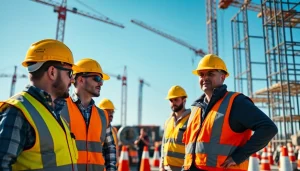
Understanding Construction Site Safety
Defining Construction Site Safety
Construction site safety refers to the policies and practices implemented to protect workers, equipment, and the environment during construction processes. It encompasses a wide array of strategies, regulations, and equipment designed to prevent accidents, injuries, and fatalities on job sites. With an industry as dynamic and potentially hazardous as construction, a stringent focus on construction site safety is paramount for ensuring the wellbeing of all involved.
Importance of Safety Protocols
The construction industry is one of the most dangerous sectors worldwide. Inadequate safety protocols can lead to severe injuries, work stoppages, and substantial financial losses. Establishing and adhering to safety protocols not only safeguards workers but also enhances productivity by minimizing downtime due to accidents. Moreover, compliance with local, state, and federal regulations is essential in avoiding penalties and maintaining a reputable business image.
Common Hazards on Construction Sites
Construction sites are rife with hazards, ranging from physical threats to health concerns. Common hazards include falls from heights, electrocution, being struck by objects, and exposure to harmful substances. Due to the variety of tasks performed on construction sites, different hazards can emerge unexpectedly, emphasizing the need for thorough risk assessments and proactive measures to mitigate these dangers.
Key Safety Equipment and Gear
Importance of Personal Protective Equipment
Personal Protective Equipment (PPE) forms the first line of defense in preventing workplace injuries. Essential PPE includes hard hats, safety goggles, gloves, and steel-toed boots, each serving specific functions tailored to various hazards encountered on-site. By mandating the use of appropriate PPE, construction companies significantly reduce the likelihood of injuries and demonstrate their commitment to safety.
Choosing the Right Gear for the Job
Selecting the appropriate safety gear is critical for effective protection against potential hazards. Different tasks require specific types of gear; for instance, vibrational tools may necessitate vibration-dampening gloves, while high-altitude work requires harnesses and lanyards. Inadequate gear selection can expose workers to unnecessary risks, hence evaluating the hazards associated with each task is essential.
Regular Maintenance and Inspection Practices
To ensure safety equipment remains effective, regular maintenance and inspections are crucial. This includes checking for wear and tear on PPE, ensuring scaffolding is secure, and conducting routine inspections on machinery and tools. Establishing a schedule for these inspections, along with training employees on how to identify defective equipment, enhances overall site safety and operational efficiency.
Implementing Safety Training Programs
Types of Safety Training Covered
Safety training is vital in educating workers about the hazards they might face and the measures to protect themselves. Types of training can include fall protection, electrical safety, equipment operation, and fire safety. Each program should be tailored to the specific needs of the workforce and regularly updated to reflect any changes in safety regulations or worksite conditions.
Evaluating Training Effectiveness
While providing safety training is crucial, evaluating its effectiveness is equally important. This can be achieved through assessments and practical demonstrations of learned skills. Feedback sessions and active participation in safety meetings also provide valuable insights into the training’s impact and areas needing improvement, ensuring continuous enhancement of safety practices.
Incorporating Safety Drills
Safety drills allow workers to practice emergency responses in a controlled environment. Regular drills help reinforce training and prepare workers to respond effectively during actual emergencies. These drills should cover various scenarios, such as fire evacuations, equipment malfunctions, or hazardous material spills, helping to solidify a quick and coordinated response among team members.
Creating a Safety Culture
Engaging Workers in Safety Measures
Fostering a culture of safety requires active engagement from all employees. Involving workers in safety meetings and discussions promotes ownership and accountability in safety practices. Feedback channels, such as suggestion boxes or regular safety committees, allow workers to voice concerns and contribute to the development of safety strategies, ultimately leading to a more cohesive approach to site safety.
Management’s Role in Safety Culture
Management plays a critical role in advocating for a strong safety culture. This entails leading by example, prioritizing safety in planning and decision-making, and consistently communicating the importance of safety to all workers. When management demonstrates a commitment to safety, it cultivates a shared responsibility among all employees, fostering an environment where safety is inherently valued.
Recognizing and Rewarding Safe Practices
Recognizing workers who actively promote and comply with safety protocols can reinforce positive behavior. Implementing safety awards or incentives for teams that achieve safety milestones encourages vigilance and fosters a positive safety culture. Celebrating safe practices not only motivates individuals but also instills a sense of pride in maintaining a safe workplace.
Monitoring Construction Site Safety
Establishing Safety Audits
Conducting regular safety audits helps identify areas for improvement and ensures compliance with established safety protocols. These audits assess the effectiveness of safety measures, equipment, and employee adherence to safety practices. Establishing a routine for audits and addressing any identified issues promptly can significantly reduce the likelihood of accidents occurring on-site.
Tracking Incident Reports and Safety Metrics
Documenting and analyzing incident reports provides invaluable data for improving construction site safety. By tracking metrics such as near misses, injuries, and equipment failures, companies can identify patterns and implement targeted interventions. This data-driven approach allows for continuous improvement and can significantly enhance overall safety strategies.
Effective Communication of Safety Updates
Ensuring effective communication about safety updates is essential for maintaining a responsive safety culture. Establishing a protocol for sharing safety information, such as bulletin boards, meetings, or digital platforms, ensures that all employees are informed about safety alerts, training sessions, and updates on protocols. Transparent communication fosters trust and enables workers to stay vigilant about safety.
FAQs about Construction Site Safety
What is construction site safety?
Construction site safety involves practices, regulations, and equipment used to protect workers and the environment on construction sites, preventing accidents and injuries.
Why are safety protocols important in construction?
Safety protocols are essential to protect workers from hazards, minimize accidents, ensure compliance with regulations, and maintain operational efficiency.
What types of personal protective equipment are required?
Common PPE includes hard hats, safety goggles, gloves, steel-toed boots, and high-visibility vests designed to protect workers in various job functions.
How often should safety training be conducted?
Safety training should be conducted regularly, ideally at least annually, with additional sessions following any incident or when new hazards are introduced.
What is the role of management in promoting safety?
Management should lead by example, prioritize safety in operations, communicate its importance, and engage workers in maintaining a robust safety culture.


