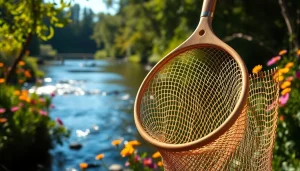
Understanding the Purpose of a Fly Fishing Net
Fly fishing nets are essential tools for anglers, designed not only to facilitate the landing of fish but also to enhance the overall fishing experience. A well-designed fly fishing net can significantly impact the efficiency of your catch, especially for those who practice catch and release. In this section, we delve deeper into why these specialized nets are so crucial for any fly fisherman.
What Makes a Fly Fishing Net Different?
Fly fishing nets differ from standard fishing nets in several key areas. Primarily, they are designed to be lightweight and easily maneuverable, allowing for precise handling during the landing process. The mesh of a fly fishing net is often made from materials that minimize harm to fish, such as rubber or soft nylon. These features help anglers ensure the longevity of the fish they catch, which is particularly important for those who practice conservation.
Benefits of Using a Fly Fishing Net
The main benefits of utilizing a fly fishing net include:
- Reduced Stress on Fish: With softer mesh materials and a design that reduces tangling, these nets minimize the stress and injury that fish can experience when caught.
- Ease of Use: The lightweight build allows for easy transportation and quick access, especially for the busy angler.
- Increased Success Rate: Traditional methods of landing fish can result in lost catches. A fly fishing net provides stability, allowing for more successful landings.
How a Fly Fishing Net Enhances Catch and Release
A robust fishing ethic focuses on preservation, with catch and release becoming a standard among many anglers. Using a fly fishing net for this purpose offers several advantages:
- Creates a gentle grip that minimizes damage to the fish’s scales and skin, promoting a healthier release.
- Shortens the time the fish spends out of water, reducing the risk of stress-related mortality.
- Facilitates quick, safe removal of hooks without causing unnecessary harm.
Key Features to Look for in a Fly Fishing Net
When choosing a fly fishing net, certain features can make a considerable difference in functionality and comfort. Understanding what to look for ensures you select the right net for your fishing style and needs.
Material Matters: Wood vs. Aluminum
The choice of material affects both aesthetics and performance. Wooden nets often provide traditional elegance and buoyancy, while aluminum nets are lightweight and resistant to corrosion. Here’s a closer breakdown:
- Wooden Nets: These nets, often made from hardwoods, offer a natural look and feel. They can be more buoyant and sometimes have a better ‘feel’ in the hand.
- Aluminum Nets: Known for their lightweight properties, these nets are durable and easy to handle. They do not warp or break easily, making them perfect for rugged environments.
Net Size and Shape: Finding the Right Fit
Net size can greatly affect how you fish. A 15-inch net might suffice for small trout, while larger species like salmon may require bigger nets. The net’s shape also plays a vital role:
- Rounded Nets: They ensure that the fish is captured into the net quickly.
- Squared Nets: Ideal for larger fish; they provide more surface area, making it easier to land a flopping fish.
Handle Length and Grip: Comfort and Control
The handle length should match the angler’s style. Longer handles are ideal for wading in deep waters while shorter handles are better for quick maneuvering from a boat. Moreover, a comfortable grip can prevent slips when handling slippery fish.
Popular Types of Fly Fishing Nets
The variety of fly fishing nets available can be overwhelming. Understanding the differences between types can help you make a more informed choice.
One-Piece vs. Collapsible Fly Fishing Nets
One-piece nets are straightforward and typically more durable, while collapsible nets offer convenience for transportation. Key distinctions include:
- One-Piece Nets: These provide high stability, essential for landing large fish.
- Collapsible Nets: Ideal for backpacking or storage, they can be compactly folded when not in use.
Find Your Style: Handheld vs. Landing Nets
Handheld nets, often smaller, are designed for quick draws and can be used for small catches. Landing nets are larger and meant for larger species, providing a larger area for maneuverability.
Choosing a Net for Different Fishing Environments
Not all fishing environments call for the same type of net. Here’s how to choose:
- Rivers: Opt for nets with longer handles to reach fish in currents.
- Still Water: A larger, more stable net works best for lakes or ponds.
- SALTWATER: Opt for corrosion-resistant materials, as salt can be harsh on gear.
Maintenance Tips for Your Fly Fishing Net
Proper care of your fly fishing net will extend its life and ensure it performs well when you need it most. Follow these crucial maintenance tips.
Cleaning Techniques After Each Use
After every fishing trip, give your net a good rinse with freshwater to remove salt or debris. If it has accumulated slime or dirt, use a soft cloth or sponge and mild soap for a more thorough clean.
Storing Your Fly Fishing Net Properly
Store your net in a cool, dry place. Avoid placing heavy objects on top of it, as this could warp the frame or damage the netting. Consider a protective case or a dedicated storage spot in your fishing gear bag.
Repairing Common Wear and Tear
Minor tears in the netting can often be repaired with a simple knot or using a mesh repair kit. Regularly check for loose fittings and ensure the handle is secure to prevent accidents.
Trends in Fly Fishing Nets for 2023
As technology and environmental awareness evolve, so do fly fishing nets. Here are some of the top trends shaping the market this year.
Innovative Designs in Fly Fishing Nets
Today’s nets come in innovative configurations that improve user experience, with ergonomic designs ensuring comfort during use. These designs focus on lightweight materials and streamlined shapes to minimize resistance in water.
Eco-Friendly Materials and Their Impact
Sustainable fishing practices are more crucial than ever. Eco-friendly materials are increasingly used in net construction to lessen the impact on aquatic ecosystems. Look for nets made from recycled materials or sustainably sourced woods.
Choosing a Fly Fishing Net for Competitive Use
With competitions on the rise, specialized nets designed for tournament anglers are becoming popular. These nets prioritize quick deployment, lightweight materials, and features designed to protect fish during weigh-ins.