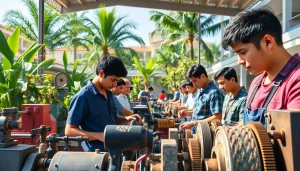
Understanding Trade Schools in Hawaii
What are Trade Schools?
Trade schools, also known as vocational schools or technical institutes, offer specialized training programs designed to prepare individuals for specific careers. Unlike traditional four-year universities, trade schools focus on practical skills and hands-on experiences in fields such as automotive repair, plumbing, electrical work, nursing, culinary arts, and construction. The primary goal of these institutions is to equip students with the knowledge and skills necessary to enter the workforce quickly and efficiently.
Benefits of Enrolling in Trade Schools in Hawaii
Enrolling in trade schools in Hawaii offers numerous advantages, especially considering the unique job market in the region. Here are some key benefits:
- Shorter Programs: Many trade programs are designed to be completed in less time than a traditional degree, allowing students to graduate and start working sooner.
- Hands-On Learning: Trade schools emphasize practical experiences, providing students with the skills and confidence to succeed in their chosen professions.
- Job Market Demand: Many trade industries are experiencing growth in Hawaii, leading to increased job opportunities for skilled workers.
- Affordable Tuition: Compared to traditional colleges, trade schools often have lower tuition rates, making education more accessible.
- Strong Employer Connections: Local trade schools typically foster relationships with regional employers, facilitating job placement for graduates.
Choosing the Right Trade School
When selecting a trade school in Hawaii, prospective students should consider several factors:
- Accreditation: Ensure the school is accredited by a recognized body, which can enhance job prospects after graduation.
- Program Offerings: Look for schools that offer programs aligned with your career interests and goals.
- Location: Consider the school’s location, convenience, and whether it offers online or hybrid options.
- Reputation: Research the school’s reputation by reading reviews, testimonials, and job placement statistics.
- Support Services: Evaluate the availability of support services such as career counseling, tutoring, and job placement assistance.
Popular Programs Offered in Hawaii
Hands-on Training in Various Disciplines
In Hawaii, trade schools offer a diverse range of programs that cater to the local economy’s unique needs:
- Healthcare: Programs prepare students for nursing, medical assisting, and health information technology careers.
- Construction trades: Courses in plumbing, electrical work, carpentry, and welding are popular among local students.
- Culinary Arts: Given Hawaii’s rich culinary heritage, culinary programs focus on both traditional and contemporary cuisine.
- Information Technology: IT programs teach students skills in networking, cybersecurity, and software development.
Certification and Licensing Pathways
Many careers in skilled trades require certification or licensure. Trade schools in Hawaii provide comprehensive training to help students prepare for necessary exams. For example:
- Nursing: Graduates can sit for the NCLEX-RN exam to become licensed registered nurses (RNs).
- Electrical and Plumbing: Programs often prepare students for state licensing exams in their respective fields.
- HVAC: Students can earn EPA certification, essential for working in heating, ventilation, and air conditioning.
Emerging Career Opportunities
The job market in Hawaii is evolving, and trade schools are poised to provide relevant skills for in-demand positions. Current trends indicate growth in areas such as:
- Renewable Energy: As Hawaii transitions to sustainable energy sources, skilled workers in solar and wind technologies are increasingly sought after.
- Healthcare: An aging population creates a consistent demand for healthcare professionals.
- Tourism and Hospitality: The ever-growing tourism sector requires trained personnel in culinary arts, hotel management, and customer service.
Admissions Process for Trade Schools in Hawaii
Requirements to Apply
The application process for trade schools may vary but generally includes:
- High School Diploma or Equivalent: Most programs require a completed high school education.
- Application Form: Prospective students must fill out an application, often available online.
- Placement Tests: Some schools may require entrance exams to assess academic readiness.
- Interviews: A few programs may have an interview process to evaluate candidates’ motivation and suitability.
Financial Aid and Scholarships
Financing education can be a concern for students. Fortunately, trade schools in Hawaii offer various financial aid options, including:
- Federal Financial Aid: Students can apply for federal grants and loans through FAFSA.
- Scholarships: Many institutions provide scholarships based on need or academic achievement.
- Payment Plans: Some schools offer flexible payment plans to ease financial burdens.
Important Deadlines to Remember
Each institution has specific deadlines for applications, financial aid, and course registration. It’s essential for students to stay informed about these dates to ensure they don’t miss opportunities. Generally, deadlines can be categorized into:
- Application Deadlines: Vary by program; some begin accepting applications as early as six months prior to start dates.
- FAFSA Deadlines: Federal deadlines for financial aid applications are vital for students seeking funding.
- Enrollment Deadlines: Final dates for securing seats in desired programs often occur a few weeks before classes begin.
Success Stories from Graduates
Impact of Trade Education on Career Growth
Trade education significantly impacts graduates by leading to fulfilling careers and financial independence. Many alumni report rapid employment and career advancement due to the skills acquired in their programs.
Unique Paths Taken by Alumni in Hawaii
Graduates from Hawaii’s trade programs often carve unique paths that contribute to regional economic growth. Examples include:
- A culinary graduate starting a local farm-to-table restaurant.
- A plumbing technician who establishes a business focusing on eco-friendly plumbing solutions.
- A nurse who specializes in providing care to remote communities in Hawaii.
How Trade Schools Shape Future Leaders
Beyond vocational skills, trade schools in Hawaii instill essential qualities such as leadership, teamwork, and problem-solving. Many graduates take on leadership roles in their industries, encouraging innovation and excellence.
Frequently Asked Questions about Trade Schools in Hawaii
What types of programs are available?
Trade schools in Hawaii offer a variety of programs, including healthcare, culinary arts, construction trades, electrical, plumbing, and information technology.
How can I finance my education?
You can finance your education through federal grants, loans, scholarships offered by schools, and various payment plans to ease financial burdens.
What is the job placement rate for graduates?
Job placement rates for graduates vary by program and school but often exceed 70%, reflecting strong employer partnerships and industry demand.
Are online courses available in trade schools?
Yes, many trade schools offer online or hybrid courses, especially in fields like information technology and business management, providing flexibility for students.
What support services are offered by trade schools?
Trade schools typically provide support services such as career counseling, resume workshops, tutoring, and job placement assistance, helping students transition smoothly into the workforce.