
What Are Wildfire Events?
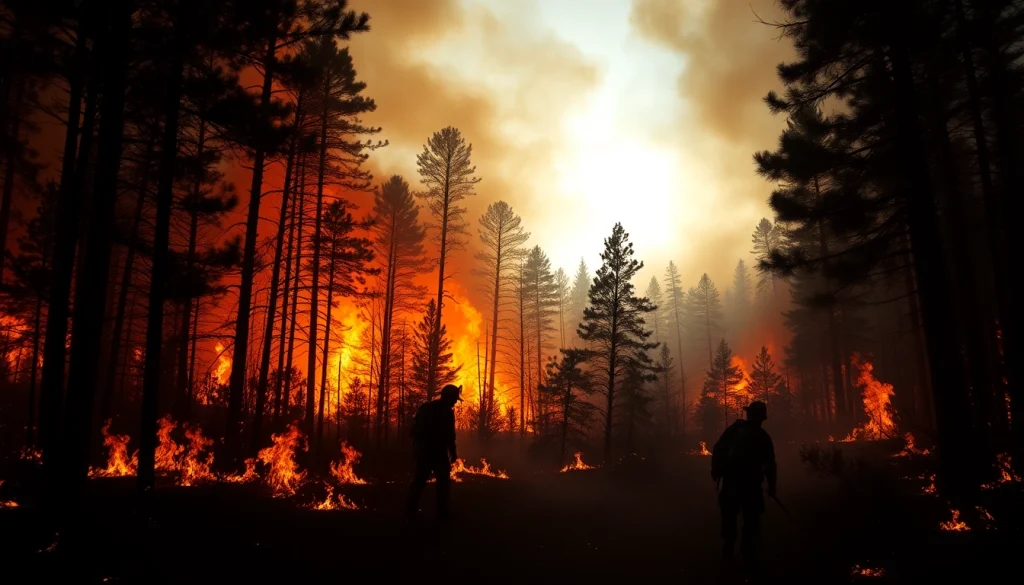
Wildfire events represent uncontrolled fires that ignite in natural landscapes, including forests, grasslands, and shrublands. These events can result from various causes and can vary significantly in scale and impact, affecting ecosystems, human health, and local economies. To fully appreciate the complexity of wildfire events, it is crucial to understand their definitions, classifications, and manifestations.
Wildfire events play a vital role in maintaining ecological balance, despite their potentially destructive nature. As climate change continues to influence patterns of fire behavior, having a comprehensive understanding of wildfire events is increasingly important for preparing and responding to them effectively.
Definition and Types of Wildfire Events
A wildfire, often referred to as a forest fire, grass fire, or bushfire, is defined as an uncontrolled fire occurring in undeveloped areas that spreads rapidly, fueled by vegetation. They can be classified into several types:
- Surface Fires: These burn along the forest floor, consuming dead leaves, branches, and underbrush.
- Crown Fires: Intense fires that leap from treetop to treetop, capable of spreading across vast distances quickly.
- Ground Fires: Fires that burn beneath the surface in peat or with organic matter in the soil, often difficult to detect.
- Prescribed Fires: Controlled burns conducted by fire management experts to reduce fuel loads and manage ecosystems.
Causes of Wildfire Events
Wildfire causes can be natural or human-induced. Understanding these causes is essential for implementing effective prevention strategies:
- Natural Causes: Lightning strikes are the leading cause, igniting fires in remote areas where dry conditions prevail.
- Human Activities: Campfires left unattended, discarded cigarettes, arson, equipment use (like power tools), and other activities can inadvertently spark wildfires.
With increased urban encroachment into wildland areas, the risk of wildfires caused by human activity has markedly risen, necessitating proactive measures in fire-prone regions.
Environmental Impact of Wildfire Events
Wildfire events can have profound environmental influences:
- Ecosystem Renewal: Many ecosystems, such as certain types of forests, benefit from periodic fires which regenerate native flora and promote biodiversity.
- Soil Erosion: After wildfires, vegetation loss can lead to severe soil erosion and degradation, disrupting local ecosystems.
- Air Quality: Smoke from wildfires contributes significantly to air pollution, affecting human and animal health across large areas.
The balance between the beneficial and damaging effects of wildfire events makes understanding them critical for environmental management.
Wildfire Events Classification
Categorizing Wildfire Events
To strategize effectively against wildfire threats, categorizing them by characteristics is essential. This allows for better resource allocation and management practices. Categories include:
- Size: Wildfires are frequently categorized based on their size—from small wildfires that cover a few acres to mega-fires that can exceed 100,000 acres.
- Intensity: Wildfires can also be classified according to their intensity, which determines the heat produced and the consequent impact on surrounding environments.
Criteria for Classifying Wildfire Events
Several key criteria are used to classify wildfire events:
- Rate of Spread: This evaluates how quickly a fire can spread in different environmental conditions.
- Suppression Difficulty: The complexity involved in managing a wildfire can dictate its classification, with some fires proving exceptionally hard to control.
Utilizing these criteria assists fire management teams in making informed decisions regarding prevention, containment, and recovery strategies.
Significance of Wildfire Classification
Classifying wildfire events is fundamental for various reasons:
- Resource Allocation: Proper classification allows emergency services to allocate appropriate resources and personnel more effectively.
- Pre-emptive Strategies: Understanding the type and intensity of potential wildfires enables the development of targeted preventive measures.
Therefore, classification plays a significant role in enhancing community safety and ecological preservation.
Consequences of Wildfire Events
Human Health Effects from Wildfire Events
Wildfire events carry significant consequences for human health:
- Air Quality Deterioration: Smoke and particulate matter from wildfires can exacerbate respiratory issues and cardiovascular problems, especially in vulnerable populations.
- Psychological Impact: The stress and anxiety associated with living near fire-prone areas can have lasting psychological effects on individuals.
Campaigns promoting awareness about health impacts can support at-risk communities in understanding these dangers.
Ecological Disruption from Wildfire Events
Wildfires can both negatively and positively impact ecosystems:
- Habitat Destruction: Fires can remove critical habitats for local wildlife, leading to population declines.
- Regeneration Opportunities: Conversely, fire-adapted species often thrive post-fire, enabling ecosystem revival and increased biodiversity.
Hence, understanding these dual impacts is vital for developing nuanced land management strategies.
Economic Costs of Wildfire Events
The economic ramifications of wildfire events can be devastating:
- Suppression Costs: Large-scale firefighting operations often require extensive resources, leading to substantial public spending.
- Infrastructure Damage: Wildfires frequently destroy homes, businesses, and essential infrastructure, creating increased insurance claims and long-term setbacks for communities.
Effective risk mitigation strategies can prove more cost-efficient in the long run.
Prevention and Preparedness for Wildfire Events
Best Practices for Wildfire Prevention
Implementing effective wildfire prevention measures can significantly reduce the occurrence and severity of these events:
- Fuel Management: Regular removal of dry vegetation and debris minimizes available fuel.
- Firebreaks: Creating firebreaks can help control fire spread by removing flammable materials.
Education campaigns to inform communities about the importance of personal responsibility can further enhance wildfire prevention efforts.
Community Preparedness for Wildfire Events
Community engagement is essential for wildfire preparedness:
- Emergency Plans: Establishing and practicing evacuation plans ensures communities remain ready when fires threaten.
- Awareness Programs: Conducting outreach programs that educate citizens on local fire risks, safety tips, and response protocols can save lives.
The integration of local fire departments in community preparedness training can increase readiness and resilience.
Technological Innovations in Wildfire Management
Modern technology plays an essential role in wildfire management:
- Monitoring Systems: Utilizing satellite imagery and drones enhances early detection and monitoring of fire events.
- Predictive Modeling: Algorithms can analyze weather patterns and vegetation health to predict possible fire outbreaks, guiding suppression efforts.
The deployment of innovative technology in wildfire management strategies can significantly enhance response capabilities, helping protect people and their property.
Future of Wildfire Events and Climate Change
Trends in Wildfire Events Due to Climate Change
Climate change has emerged as a significant driver of wildfires:
- Increasing Temperatures: Higher average temperatures and prolonged droughts contribute to increased wildfire activity.
- Longer Fire Seasons: Climate change extends the duration of fire seasons, increasing the risk of wildfires even in previously unaffected regions.
Anticipating these trends is crucial for adapting strategies in fire management, policy, and community preparedness.
Policy Changes Targeting Wildfire Events
Effective policies are needed to address the challenges posed by wildfire events:
- Land Use Planning: Enacting building codes and land use strategies that account for wildfire risks can mitigate future damages.
- Funding for Prevention: Allocating resources for wildfire prevention programs fundamentally improves community resilience.
Engaging communities in policy development enhances the efficacy and acceptance of wildfire disaster management strategies.
Adaptive Strategies for Managing Wildfire Events
Managing wildfire events effectively requires adaptive strategies:
- Integrative Approaches: Collaborating with ecologists, fire services, and the community strengthens fire management capabilities.
- Sustainable Practices: Emphasizing sustainable land management and forest practices helps reduce wildfire risks while conserving ecosystems.
Ensuring that management strategies are dynamic and flexible to changing environmental conditions can significantly enhance community protection from wildfires.
Frequently Asked Questions
What triggers a wildfire event?
Wildfire events can be triggered by natural causes such as lightning or human activities like campfires and negligence.
How does climate change affect wildfires?
Climate change increases temperatures and drought conditions, leading to longer fire seasons and more frequent wildfires.
What are the health risks associated with wildfires?
Wildfires can cause respiratory problems, cardiovascular issues, and psychological stress due to smoke inhalation and evacuations.
How can communities prepare for wildfire events?
Communities can prepare by creating emergency plans, conducting drills, and educating members about fire safety and prevention.
What is the role of technology in wildfire management?
Technology aids in detecting and monitoring wildfires through satellite imagery, drones, and predictive modeling, enhancing response strategies.