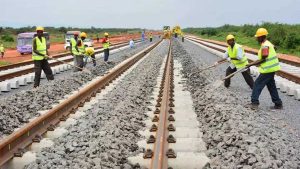
Introduction to Railroad Engineering
Railroad engineering is a critical field of engineering dedicated to the design, construction, operation, and maintenance of railway systems. This discipline plays a vital role in ensuring that railway operations are safe, efficient, and sustainable. As the backbone of transportation in many countries, including the United States, understanding Railroad Engineering is essential for anyone looking to delve into this dynamic industry.
Definition and Scope of Railroad Engineering
Railroad engineering encompasses various engineering disciplines, including civil, mechanical, and electrical engineering, with a primary focus on railway infrastructure and operations. This includes track design, station construction, signaling systems, and maintenance protocols. The scope also extends to the optimization of freight and passenger transport, ensuring that railways meet the demands of the economy and the environment.
Importance in Modern Transportation
The significance of railroad engineering in modern transportation cannot be overstated. Railroads provide an efficient means of transporting goods and people over long distances, supporting economic growth and reducing traffic congestion on roads. Moreover, rail transport is generally more energy-efficient and environmentally friendly compared to road transport, making it a pivotal player in sustainable development.
Key Disciplines Within Railroad Engineering
Within the realm of railroad engineering, several key disciplines work in tandem:
- Civil Engineering: Focuses on track design, station layouts, and infrastructure maintenance.
- Mechanical Engineering: Involves the design and maintenance of rolling stock, including trains and locomotives.
- Electrical Engineering: Deals with signaling systems, train control, and electrification of tracks.
- Safety Engineering: Ensures compliance with safety standards and regulations, focusing on risk assessment and management.
Fundamentals of Railroad Engineering Design
Track Design Principles
Track design is fundamental to railroad engineering, ensuring trains operate smoothly and efficiently. Key principles include:
- Alignment: The horizontal and vertical layout of the track must minimize sharp curves and steep grades to ensure safety and efficiency.
- Superelevation: Curved tracks are banked to help counteract the centrifugal force experienced by trains, improving safety and speed.
- Tangent and Curved Track: A balance between straight sections for speed and curves for maneuverability must be maintained.
Bridges and Infrastructure Considerations
Bridges and tunnels are crucial components of railroad infrastructure. Key considerations include:
- Load Capacity: Designing structures to withstand the weight and dynamic forces of trains.
- Material Selection: Using durable materials resistant to weather and corrosion to extend the life of structures.
- Aesthetics: Integrating structures with the surrounding environment while maintaining functionality.
Safety and Regulatory Standards
Safety is paramount in railroad engineering, guided by stringent regulatory standards. Agencies such as the Federal Railroad Administration (FRA) in the U.S. set comprehensive safety regulations for operations, maintenance, and personnel qualifications. Compliance with these regulations not only ensures public safety but also enhances operational efficiency.
Advanced Techniques in Railroad Engineering
Innovative Technologies in Rail Systems
The railroad industry is at the forefront of technological advancements that enhance efficiency and safety. Innovations include:
- Track Monitoring Sensors: These devices detect track conditions in real-time, allowing for proactive maintenance and safety measures.
- Positive Train Control (PTC): A system that automatically slows or stops trains to prevent accidents.
- Automated Dispatch: Utilizing AI and data analytics for optimized train scheduling and routing.
Railway Operations Management
Effective management of railway operations is crucial for efficiency. Key aspects include:
- Scheduling: Careful planning of train timetables to minimize congestion and delays.
- Resource Allocation: Optimizing the use of crews, equipment, and tracks to maximize productivity.
- Customer Service: Enhancing the passenger experience through reliable services and facilities.
Integration of Sustainability Practices
Sustainability is increasingly vital in railroad engineering. Practices include:
- Energy-Efficient Trains: Development of electric and hybrid locomotives that reduce carbon footprints.
- Recycling Materials: Utilizing recycled materials in rail construction and maintenance to minimize waste.
- Environmental Assessments: Conducting studies to understand and mitigate the environmental impact of rail projects.
Challenges Facing Railroad Engineering Today
Funding and Budget Constraints
One of the significant challenges in railroad engineering is securing adequate funding. Many projects face budget constraints that can delay or reduce their scope. Collaboration between public and private sectors is essential to address these funding challenges and ensure that critical projects are completed.
Environmental Concerns and Mitigations
Railroad engineers must also address environmental concerns, such as noise pollution and habitat disruption. Implementing sound barriers, wildlife crossings, and using eco-friendly materials are some strategies used to mitigate negative environmental impacts.
Adapting to Technological Advancements
As technology rapidly evolves, railroad engineering must adapt to new tools and methods. Continuous training and upskilling of the workforce are crucial to leverage these advancements effectively and enhance overall safety and efficiency.
Future of Railroad Engineering
Emerging Trends in Rail Transportation
The future of railroad engineering is shaped by several emerging trends, including:
- High-speed Rail: Continued investment in high-speed rail networks to enhance intercity travel.
- Smart Rail Systems: The integration of IoT technologies for real-time data collection and monitoring.
- Passenger-Centric Services: Enhanced amenities and services that prioritize the passenger experience.
Impact of Autonomous Technologies
Autonomous technologies are poised to revolutionize railroad operations. The implementation of driverless trains could significantly improve safety and efficiency while reducing operational costs. However, rigorous testing and regulatory approvals will be required to ensure safety before widespread deployment.
Career Opportunities and Industry Growth
With advancements and expansions in the industry, career opportunities in railroad engineering are on the rise. Positions such as track engineers, safety analysts, and project managers are becoming increasingly vital as the industry grows and evolves. Educational programs and internships are essential for developing the next generation of railroad engineers.
FAQs about Railroad Engineering
What does a railroad engineer do?
A railroad engineer operates trains and ensures safe transport. They monitor train systems and coordinate with other railroad personnel to maintain efficiency and safety.
How much do railroad engineers make in the US?
The salary for railroad engineers varies but typically ranges from $84,000 to over $135,000 annually, depending on experience and location within the industry.
How hard is it to become a railroad engineer?
The path to becoming a railroad engineer involves extensive training, including classroom instruction and hands-on experience. A commitment to continuous learning is essential.
What qualifications do you need to be a Railway Engineer?
Qualifications may include a degree in civil, mechanical, or electrical engineering, along with industry certifications and practical experience in railroad projects.
What are the key challenges in railroad engineering today?
Key challenges include securing funding for projects, addressing environmental impacts, and adapting to rapid technological advancements, all while ensuring safety and efficiency.