
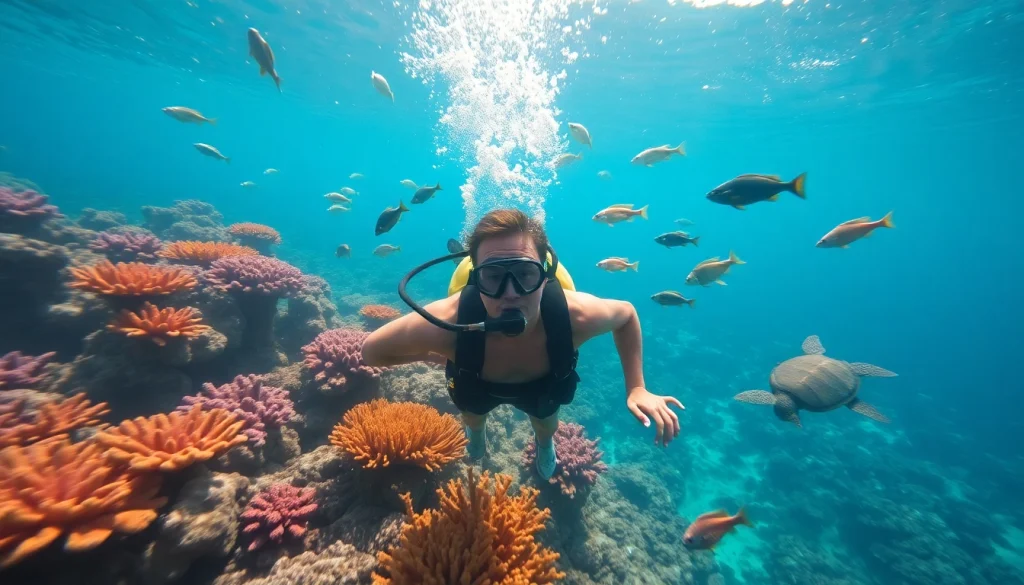
Understanding Scuba Diving Basics
Scuba diving is one of the most exhilarating activities one can experience, revealing an underwater world filled with enchanting marine life and breathtaking landscapes. Before embarking on this aquatic adventure, it’s crucial to understand the fundamentals of scuba diving, ensuring a safe and enjoyable experience. This article will delve into the essential equipment needed for safe diving, how to prepare for your first dive, and a set of diving safety guidelines.
Essential Equipment for Safe Diving
The key to safe scuba diving starts with having the right equipment. Not only does quality gear enhance your experience, but it also plays a critical role in your safety. Below is a list of essential scuba diving gear:
- Mask and Snorkel: A well-fitting mask will allow you to see underwater clearly while the snorkel is necessary for breathing at the surface.
- Fins: Fins help you swim efficiently and conserve energy, enabling better movement in the water.
- Wetsuit or Drysuit: Depending on the water temperature, wearing a wetsuit or drysuit will help regulate your body temperature and provide insulation against cold waters.
- BCD (Buoyancy Control Device): The BCD aids in buoyancy control, helping you ascend, descend, and maintain the desired depth during your dive.
- Regulator: The regulator allows you to breathe from the tank by reducing the high pressure of the compressed air you are breathing.
- Scuba Cylinder: This is your air supply, and it’s essential to ensure that it’s filled and inspected before each dive.
- Weight System: Weights will aid in achieving neutral buoyancy, essential for effective diving.
These gear components are not merely accessories; they are essential for ensuring a safe and long-lasting diving experience. Regular maintenance and inspection of equipment are equally important to guarantee that everything operates smoothly underwater.
Preparing for Your First Dive
Your first dive can be a dizzyingly exciting experience. However, preparation is vital for a smooth transition from classroom learning to the open water. Here’s a step-by-step guide:
- Take a Certification Course: Before diving, acquire certification from a recognized agency which will provide you with theoretical knowledge as well as practical experience.
- Know Your Gear: Familiarize yourself with all your diving equipment, understanding how each piece functions and how to troubleshoot common issues.
- Check Weather and Water Conditions: Conditions can greatly affect the dive; always check the weather and water temperatures beforehand.
- Plan the Dive: Discuss the dive plan thoroughly which includes depth, time, and potential hazards, ensuring all divers understand their roles.
- Stay Hydrated and Healthy: Drink plenty of water and refrain from heavy meals right before diving. Healthy physical condition enhances your diving experience.
With the right preparation, your first dive can be both magical and memorable, allowing you to appreciate the beauty of the underwater world.
Diving Safety Guidelines
Safety is paramount when scuba diving. Following these guidelines can ensure a safe and enjoyable experience.
- Never Dive Alone: Always dive with a buddy, as this can enhance safety through teamwork and mutual assistance.
- Equalize Early and Often: As you descend, regularly equalize the pressure in your ears to avoid discomfort and potential injury.
- Avoid Rapid Ascents: Ascend slowly and make safety stops to prevent decompression sickness, which can occur due to rapid changes in pressure.
- Watch Your Air Supply: Keep an eye on your tank pressure and communicate with your dive buddy to ensure everyone has enough air.
- Stay Aware of Your Surroundings: Stay vigilant of potential hazards, including marine life and underwater terrain.
By adhering to these safety guidelines, divers can create a secure diving environment, minimizing risks and maximizing enjoyment.
Exploring Diverse Dive Destinations
One of the most thrilling aspects of scuba diving is exploring diverse underwater environments around the globe. Each diving site offers unique experiences, conditions, and species. Understanding what’s available will help you choose an ideal diving destination. In this section, we’ll explore top scuba diving locations, the unique marine life you might encounter, and the seasonal considerations that could affect your diving plans.
Top Scuba Diving Locations
There are countless diving locales around the world that cater to both beginners and experienced divers. Here are some of the top scuba diving destinations:
- Great Barrier Reef, Australia: The largest coral reef system in the world, teeming with vibrant marine life and stunning coral formations.
- Blue Hole, Belize: This iconic underwater sinkhole is famous for its incredible visibility and unique stalactite formations.
- Galápagos Islands, Ecuador: Home to diverse marine species including sharks, rays, and unique marine mammals, offering a once-in-a-lifetime diving experience.
- Red Sea, Egypt: Known for its warm waters and rich marine biodiversity with colorful corals and abundant schooling fish.
- Maldives: Offers crystal clear waters with stunning coral reefs and diverse marine species, perfect for both diving and snorkeling.
Each location offers a unique set of challenges, experiences, and ecosystems to explore, making every diving destination special in its way.
Unique Marine Life to Encounter
Diving provides the chance to observe an array of marine life, which varies significantly between different locations. Here are some intriguing marine species you may encounter while scuba diving:
- Sea Turtles: Graceful swimmers that are often seen gliding through waters in tropical locales.
- Colorful Reef Fish: Schools of clownfish, angelfish, and parrotfish add a vibrant splash of color to coral reefs.
- Sharks: Various species, including reef sharks and whale sharks, can be found in many dive sites offering thrilling encounters.
- Rays: Manta rays and stingrays are often spotted near reefs, showcasing their elegant swimming styles.
- Corals: The stunning biodiversity of corals can vary widely, from soft corals to hard corals, each supporting diverse ecosystems.
Every diving experience offers a chance to connect with marine life in their natural habitat, creating lasting memories.
Seasonal Considerations for Diving
Understanding the seasonal variations in water conditions can significantly impact your diving experience. Here are some factors to consider:
- Water Temperature: Different times of the year will offer varying water temperatures, influencing the type of wetsuit or exposure protection needed.
- Weather Patterns: Seasonal changes can affect visibility, current strength, and wildlife behavior, impacting dive plans.
- Marine Migration Patterns: Certain species may be present only during certain seasons, providing opportunities to witness unique marine migrations.
- Visibility Conditions: Visibility can fluctuate throughout the year, often being clearer in some seasons, which can enhance or reduce the underwater experience.
Planning your dive trips around these seasonal factors can maximize the enjoyment and adventure of your scuba diving experience.
Understanding Marine Conservation
As divers and adventurers, it’s crucial to recognize our role in marine conservation. The oceans are facing numerous challenges including pollution, overfishing, and climate change. Understanding marine conservation efforts allows divers to engage responsibly with our oceans. In this section, we’ll explore the importance of coral reefs, how divers can support conservation, and ways to participate in marine health programs.
Importance of Coral Reefs
Coral reefs are often referred to as the “rainforests of the ocean” due to their breathtaking biodiversity and vital ecological functions. Here are key points illustrating their importance:
- Biodiversity Hotspots: Coral reefs support approximately 25% of all marine species, providing habitat, food, and breeding grounds.
- Coastal Protection: Reefs act as natural barriers, protecting coastlines from storm surges, erosion, and wave impacts.
- Economic Value: They contribute significantly to local economies through tourism, fishing, and coastal resources.
- Climate Regulation: Coral reefs are involved in carbon cycling, playing a role in mitigating climate change impacts.
Preserving coral reefs is essential for both ecological balance and for the numerous communities that depend on them for survival.
How Divers Can Support Conservation
As scuba divers, we have a responsibility to protect the underwater environments we explore. Here’s how divers can actively support marine conservation:
- Practice Eco-Diving: Follow guidelines that minimize impacts on marine environments, such as not touching corals or disturbing the wildlife.
- Participate in Clean-Up Events: Join beach clean-ups or underwater clean-ups to help remove debris that can harm marine life.
- Volunteering: Engage in marine conservation programs, supporting local or global initiatives focused on reef protection, research, and rehabilitation.
- Promote Awareness: Educate fellow divers and the public about marine conservation issues and the importance of protecting fragile ecosystems.
By taking these proactive steps, divers can contribute to the preservation and betterment of marine environments for future generations.
Participating in Marine Health Programs
In addition to individual efforts, divers can engage in organized marine health programs that focus on restoring and preserving marine ecosystems. Here are a few ways to get involved:
- Coral Restoration Projects: Participate in programs that focus on replanting corals in damaged areas, helping to restore marine habitats.
- Research and Monitoring: Join programs that track marine biodiversity, population dynamics, and environmental changes to inform conservation strategies.
- Training and Awareness Programs: Engage in training sessions that teach divers about marine health issues, conservation practices, and responsible diving.
- Community Outreach: Participate in outreach programs that aim to educate local communities and promote stewardship of marine environments.
These program opportunities not only enhance divers’ skills and knowledge but also make a measurable difference in the health of our oceans.
Advanced Diving Techniques
As divers gain experience, many seek to elevate their diving proficiency through advanced techniques, enhancing their skills and enabling them to explore more complex dive environments. This section will cover deep diving skills, underwater photography tips, and navigational skills for oceangoing divers.
Deep Diving Skills and Practices
Deep diving presents divers with incredible opportunities, yet it also comes with unique challenges. Mastering deep diving techniques is crucial for safe exploration of deeper marine environments:
- Understanding Physiology: Familiarize yourself with the physiological changes that occur at depth, including increased pressure and the importance of gradual ascents.
- Specialized Training: Consider pursuing additional courses that focus on deep diving, equipping you with the knowledge and skills needed.
- Decompression Theory: Learn about deco stops, the risks of decompression sickness, and how to plan your dive accordingly.
- Optimal Equipment: Use gear that’s specifically rated for deep dives, ensuring safety and proper function at depth.
With the right knowledge and training, deep diving can lead to thrilling encounters with unique marine species and geological formations.
Underwater Photography Tips
Capturing the beauty of the underwater world through photography is a rewarding pursuit. Here are tips to enhance your underwater photography skills:
- Choose the Right Equipment: Invest in a good underwater camera and learn how to use its settings effectively for optimal results.
- Understand Lighting: Utilize natural light effectively and consider using artificial lighting techniques to enhance colors and contrast.
- Frame Your Shots: Pay attention to composition; use the rule of thirds, leading lines, and depth to create visually appealing images.
- Be Patient: Wildlife can be unpredictable. Stay calm and wait for the right moment to capture that perfect shot.
Through practice and experimentation, divers can document their underwater explorations, creating lasting memories and sharing their passion for marine life with others.
Navigational Skills for Oceangoing Divers
Strong navigational skills are essential for oceangoing divers, ensuring they can explore safely and find their way back. Here are some techniques:
- Compass Navigation: Learn how to use a compass effectively, setting bearings and understanding magnetic variation to assist in navigation.
- Natural Navigation: Develop the ability to navigate using natural features, such as currents, waves, and the sun’s position.
- Underwater Markers: Familiarize yourself with how to use entry and exit points on the surface, and recognize underwater landmarks during dives.
- Practice Swim Patterns: Use various patterns (like a square or circle) to enhance navigation skills and ensure you can trace your path back to the entry point.
Mastering navigational skills allows divers to explore new territories confidently while ensuring safety and awareness of their surroundings.
Personalizing Your Diving Experience
As you grow in your scuba diving journey, personalizing your diving experience becomes paramount. Whether it’s choosing the right certification or planning customized trips, wanting to share your adventures can greatly enhance your overall diving experience. Let’s explore how divers can make their scuba journeys uniquely theirs.
Choosing the Right Diving Certification
With various diving certification agencies available, selecting the right one is key to your learning experience and future diving opportunities. Here are important factors to consider:
- Recognized Agencies: Choose from well-established agencies like PADI or SSI that are recognized worldwide, ensuring your certification is valid.
- Course Content: Review the course outline and make sure it covers topics relevant to your diving goals, including specialties like wreck diving or underwater photography.
- Instructor Qualifications: Look for properly qualified instructors with the right credentials and teaching experience to provide quality training.
- Opportunities for Continued Learning: Select agencies that offer a wide range of specialty courses allowing you to continue honing your skills.
By choosing the right certification body, divers can establish a solid foundation for their diving future.
Planning Customized Dive Trips
Customizing dive trips allows divers to create unique experiences tailored to their specific interests. Here’s how to plan effectively:
- Select Ideal Locations: Research dive sites that match your interests, whether it’s coral reefs, wrecks, or challenging dive conditions.
- Consider Dive Conditions: Account for seasonal variations, currents, and the weather to choose the best time for your desired dive sites.
- Personal Preferences: Discuss any specific requirements, such as groups sizes, accommodations, or itinerary preferences, with dive operators.
- Incorporate Activities: Include other activities such as snorkeling, hiking, or cultural tours to create a well-rounded adventure experience.
Planning customized dive trips enhances overall satisfaction, allowing divers to engage deeply with their underwater passions.
Sharing Your Dive Experiences
Sharing your scuba diving experiences enhances your connection to the diving community while inspiring others. Here’s how to share your journeys:
- Start a Dive Blog: Document your dive experiences, offering readers insights, tips, and personal stories to encourage and motivate.
- Social Media Sharing: Utilize social media platforms to share photos and stories connected to your dives, engaging fellow divers and connecting with a broader community.
- Join Diving Communities: Connect with local dive clubs or online forums to exchange experiences, advice, and engage in discussions focused on diving topics.
- Participate in Events: Attend dive expos or workshops, where divers can share knowledge, and particularly new techniques, while meeting like-minded individuals.
Through sharing your adventure stories and adventures, divers not only inspire others but also deepen their own dive experiences.