What is Hardie Board?
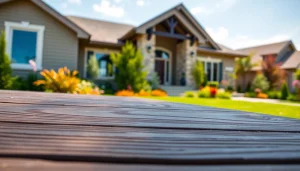
Hardie Board, also known as fiber cement siding, is a highly durable building material made primarily from a mixture of cellulose fiber, sand, and cement. This innovative product has gained popularity in residential and commercial construction due to its remarkable range of qualities that offer both aesthetic appeal and functional benefits. Homeowners and contractors alike appreciate hardie board for its robustness, versatility, and ability to withstand a variety of environmental conditions. If you’re considering a siding upgrade, hardie board might just be the perfect solution for you.
Composition and Materials of Hardie Board
The composition of hardie board is what sets it apart from traditional siding options. Made from fiber cement, this material is composed of Portland cement, sand, cellulose fiber, and water. The cellulose fiber adds tensile strength, which means that hardie board can withstand impacts and stress while remaining lightweight. This composition is then treated with water-resistant coatings, making hardie board an excellent choice for regions with high moisture or extreme weather.
Benefits of Choosing Hardie Board
Choosing hardie board comes with a plethora of benefits that enhance the value and longevity of your property:
- Durability: Hardie board is resistant to rot, termites, and other common pests, making it an ideal choice for long-term use.
- Fire Resistance: Unlike wood, hardie board is non-combustible and can withstand high temperatures, providing an added layer of protection to your home.
- Low Maintenance: Hardie board requires minimal upkeep compared to traditional wood siding, as it doesn’t need repainting as frequently and can be easily cleaned with a hose.
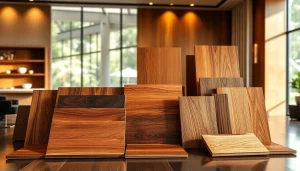
- Aesthetic Variety: Available in multiple textures, colors, and styles, hardie board can mimic the look of wood, stucco, or traditional siding materials.
Durability and Maintenance of Hardie Board
Hardie board’s durability is one of its most notable features. It can endure harsh weather conditions, from heavy rains and snow to sweltering heat. When properly installed, it can last for decades, often exceeding the lifespan of traditional wood or vinyl siding. Maintenance typically includes periodic cleaning and repainting every 10 to 15 years, depending on your color choice and environmental factors. This level of maintenance is relatively low compared to wood siding, which can warp, crack, and require more frequent replacement.
Installing Hardie Board: A Step-by-Step Guide
Preparing Your Home for Hardie Board Installation
Before beginning the installation of hardie board, you must carefully prepare your home. This process involves assessing the current siding condition, removing any old materials, and ensuring the underlying structure is sound. Proper moisture barriers should be installed to prevent water damage. If necessary, make any structural repairs before proceeding.
Necessary Tools and Equipment
Having the right tools is crucial for a successful hardie board installation. Here’s a list of essential tools you’ll need:
- Measuring tape
- Chalk line
- Level
- Circular saw with a fiber cement blade
- Nail gun or hammer
- Safety goggles and dust mask
Installation Process: Key Steps
The installation of hardie board involves several key steps:
- Measure and Cut: Measure the dimensions of your walls and cut the hardie board to size, ensuring that the cuts are clean and the edges are smooth to prevent any future damage.
- Mark the Studs: Use a stud finder to locate the wall studs and mark their location on the wall to ensure proper nailing.
- Attach the Hardie Board: Start from the bottom and work your way up, overlapping the boards correctly to ensure water runs off effectively. Use nails recommended by the manufacturer for the best results.
- Finishing Touches: After installation, caulk around windows and doors and apply any necessary trim to complete the look.
Alternatives to Hardie Board: A Comparison
Vinyl Siding vs. Hardie Board
Vinyl siding is another popular material, known for its affordability and ease of installation. However, compared to hardie board, it is less durable and can fade or crack over time. Vinyl siding generally requires replacement after 20 to 30 years, while hardie board can last more than 50 years with proper maintenance. The decision often comes down to budget versus the desire for long-term performance.
Wood Siding vs. Hardie Board
Wood siding offers a classic aesthetic appeal, but it is highly susceptible to rot, insects, and fire. Hardie board, on the other hand, carries the combined advantages of durability, fire resistance, and low maintenance, making it a more sensible long-term investment. While wood siding may require yearly maintenance, hardie board typically only needs maintenance every decade or so.
Metal Siding vs. Hardie Board
Metal siding provides durability and does not require painting, but it may dent easily and can conduct heat, leading to higher energy bills. In contrast, hardie board offers a wide range of aesthetic options, along with enhanced thermal insulation properties, which can result in better energy efficiency.
Cost Considerations for Hardie Board
Pricing Overview of Hardie Board
The initial cost of hardie board can be higher than other siding options, typically ranging between $1.50 to $3.50 per square foot, depending on the style and finish. However, when factoring in its longevity and the reduced maintenance costs, hardie board can often prove to be the most cost-effective option over time.
Long-term Value and ROI of Hardie Board
Investing in hardie board can significantly add to the home’s resale value. Studies have shown that homes with fiber cement siding can recoup about 80% of the installation costs at resale. Additionally, its energy efficiency can lead to reduced heating and cooling bills, further enhancing its long-term value.
Budgeting for Installation Costs
When budgeting for hardie board installation, consider not only the material costs but also labor, permits, and any additional repairs needed on the house. Investing in quality installation from experienced professionals is crucial to ensure the siding functions as intended and lasts a lifetime.
FAQs about Hardie Board
Is Hardie Board waterproof?
Hardie Board is not 100% waterproof. However, it is highly water-resistant when installed properly, especially when combined with an effective moisture management system.
What colors does Hardie Board come in?
Hardie Board is available in a wide range of colors and textures. Custom painting options are also available, allowing homeowners to achieve their desired aesthetic.
How long does Hardie Board last?
With proper installation and maintenance, Hardie Board can last for more than 50 years, making it one of the most durable siding options available today.
Can you paint Hardie Board?
Yes, Hardie Board can be painted. It’s recommended to use high-quality exterior paints for optimal durability and to maintain its aesthetic appeal over the years.
What maintenance does Hardie Board require?
Hardie Board requires minimal maintenance, typically limited to periodic cleaning and repainting every 10-15 years, ensuring it remains in optimal condition.