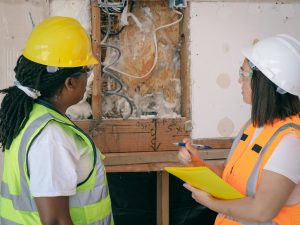
The construction industry in Hawaii is more than just building structures—it’s about creating the foundation for the islands’ future. Yet, as demand for skilled labor continues to rise, the need for practical education and professional training has never been greater. That’s where Trade schools in Hawaii play a transformative role. These institutions not only prepare the next generation of builders, electricians, and plumbers but also help strengthen the state’s economy by developing a capable and reliable workforce.
- The Growing Demand for Skilled Construction Workers in Hawaii
- The Role of Trade Schools in Building a Stronger Construction Workforce
- Top Benefits of Attending Trade Schools in Hawaii
- How Trade Schools in Hawaii Support the Construction Industry’s Future
- ABC Hawaii’s Role in Supporting Workforce Development
- How to Choose the Right Trade School in Hawaii
- Building a Better Future for Hawaii’s Workforce
The Growing Demand for Skilled Construction Workers in Hawaii
Hawaii’s construction industry is booming. From infrastructure upgrades to sustainable housing projects, the islands are experiencing an unprecedented wave of development. However, with growth comes a serious challenge—there simply aren’t enough skilled workers to meet the demand. According to local labor reports, many contractors face delays due to workforce shortages, which can lead to increased costs and project slowdowns.
Why the Shortage Exists
Several factors contribute to the labor gap. Many seasoned professionals are nearing retirement, and fewer young people are entering the trades. Additionally, the perception that four-year college degrees are the only path to success has diverted attention from technical careers. Trade schools in Hawaii provide a much-needed solution by offering specialized, career-focused education that directly addresses industry needs.
How Trade Schools Fill the Gap
These schools focus on hands-on learning, allowing students to master real-world skills under the guidance of experienced professionals. Whether it’s electrical systems, plumbing, welding, or construction management, students graduate job-ready, often with certifications that qualify them for immediate employment.
The Role of Trade Schools in Building a Stronger Construction Workforce
Trade schools in Hawaii are not just educational institutions—they are vital components of the state’s economic and workforce development. They bridge the gap between academic learning and practical experience, ensuring that students gain both technical proficiency and professional readiness.
Hands-On Training that Mirrors Real Job Sites
Unlike traditional colleges, trade schools prioritize experiential learning. Students spend less time in lectures and more time working with tools, materials, and equipment used on real construction projects. This approach helps them build confidence, improve problem-solving skills, and adapt to industry challenges from day one.
Partnerships with Local Employers
Many trade schools in Hawaii partner directly with construction companies, unions, and industry associations to design programs that reflect current market needs. Through these collaborations, students can participate in internships, apprenticeships, and job placements that lead to full-time employment. These partnerships also benefit employers by providing access to a pool of qualified candidates trained to meet their specific standards.
Affordable and Accessible Career Training
Another key advantage is affordability. Trade schools typically cost less than four-year universities, making them an accessible option for those seeking a rewarding career without incurring massive student debt. Additionally, many schools offer financial aid, scholarships, and flexible scheduling for working adults.
Top Benefits of Attending Trade Schools in Hawaii
Choosing to attend a trade school can be a life-changing decision. Beyond providing technical skills, these institutions foster personal growth, financial independence, and long-term stability.
Fast-Track to a Career
Most trade school programs can be completed in two years or less, allowing students to enter the workforce quickly. This is particularly valuable in Hawaii’s competitive job market, where employers are eager to hire trained workers who can contribute immediately.
High Earning Potential
Skilled trades offer excellent earning potential. Electricians, plumbers, and HVAC technicians often earn wages that rival those of college graduates—and in many cases, surpass them. With consistent demand across the islands, qualified tradespeople enjoy steady employment and opportunities for advancement.
Contribution to Hawaii’s Local Economy
Graduates of trade schools in Hawaii help strengthen the state’s economy by reducing reliance on out-of-state labor. They bring expertise and commitment to local projects, ensuring that development stays sustainable and community-focused. A stronger local workforce also means faster project completion, better quality work, and more economic stability for the construction sector.
How Trade Schools in Hawaii Support the Construction Industry’s Future
The future of Hawaii’s construction workforce depends on education that evolves alongside technology and innovation. Trade schools are leading this charge by integrating modern techniques and sustainable practices into their training programs.
Emphasis on Green Building and Sustainability
With Hawaii’s focus on renewable energy and eco-friendly construction, trade schools are incorporating sustainability into their curriculum. Students learn about energy-efficient systems, green building materials, and environmental compliance—skills that make them invaluable to forward-thinking employers.
Advanced Technology Integration
From blueprint software to automated tools, today’s construction sites rely on technology more than ever. Trade schools in Hawaii ensure that students are trained in the latest digital tools and safety standards, keeping them ahead in a competitive industry.
Promoting Lifelong Learning and Professional Growth
Many trade schools encourage continued education even after graduation. Through ongoing certifications, workshops, and industry partnerships, workers can upgrade their skills and stay relevant as construction methods evolve. This commitment to lifelong learning not only enhances individual careers but also strengthens the industry as a whole.
ABC Hawaii’s Role in Supporting Workforce Development
At ABC Hawaii, the mission extends beyond education—it’s about empowering the entire construction community. As a network built on safety, integrity, and profitability, ABC Hawaii advocates for excellence in workforce training through collaboration with local trade schools, apprenticeship programs, and industry leaders.
Promoting Safe and Skilled Work Practices
Safety is at the heart of every successful construction project. ABC Hawaii emphasizes training that prioritizes safe work environments, ensuring that every tradesperson understands how to protect themselves and others on the job.
Connecting Talent with Opportunity
Through partnerships and events, ABC Hawaii connects skilled graduates from trade schools in Hawaii with reputable employers. These connections not only create jobs but also foster long-term industry growth and community success.
Advocating for the Trades
By promoting the value of trade careers, ABC Hawaii helps shift the narrative around construction work. The organization champions vocational education as a respected, profitable, and essential career path that powers Hawaii’s infrastructure and economy.
How to Choose the Right Trade School in Hawaii
For those ready to begin a rewarding career in construction, choosing the right school is essential. Here are a few key factors to consider:
- Accreditation: Ensure the school is accredited and recognized by industry organizations.
- Programs Offered: Look for programs that match your career goals—such as carpentry, plumbing, or electrical work.
- Hands-On Experience: The best trade schools emphasize practical learning over theory.
- Job Placement Assistance: Schools with strong employer connections can help you find work faster after graduation.
- Location and Schedule: Choose a program that fits your lifestyle and accessibility needs.
Building a Better Future for Hawaii’s Workforce
The construction industry will always be a cornerstone of Hawaii’s growth. To sustain that progress, the state needs a workforce that’s skilled, adaptable, and future-focused. Trade schools in Hawaii are key to achieving that vision. By equipping individuals with hands-on training, career-ready skills, and industry connections, they empower students to build meaningful careers while strengthening Hawaii’s economy.
The Bottom Line
A stronger construction workforce starts with education—and trade schools provide the foundation for success. As Hawaii continues to grow and evolve, the demand for skilled tradespeople will only increase. By supporting trade schools, investing in workforce training, and fostering industry partnerships, Hawaii can build not only stronger structures but also stronger communities.