The Basics of Gardening
Gardening is more than just a hobby; it’s an enriching activity that connects people with nature, provides fresh produce, and beautifies living spaces. For those diving into this rewarding craft, understanding its fundamentals is crucial. This guide aims to equip both beginners and experienced gardeners with the essential knowledge required to cultivate a thriving garden. From understanding soil types to choosing the right plants, we will explore every aspect that contributes to successful gardening. If you’re looking for in-depth resources, you can visit Gardening for further insights.
Understanding Soil Types and Their Importance
Soil is the foundation of any garden, influencing plant health and growth. Understanding different soil types is essential for gardeners to make informed choices about what plants to grow and how to maintain them.
Types of Soil
There are three primary types of soil based on texture: sandy, clay, and loamy soil.
- Sandy Soil: Known for its large particles, sandy soil drains well but does not retain nutrients effectively. This type is best for plants that prefer dryer conditions.
- Clay Soil: Composed of tiny particles that can clump together, clay soil retains moisture well but can become compacted, restricting root growth. Choosing plants that thrive in heavy soil is crucial.
- Loamy Soil: Considered the ideal garden soil, loamy soil is a balanced mixture of sand, silt, and clay, making it rich in nutrients and supportive of various plant types.
Soil Testing
Performing a soil test is vital to determine pH levels and nutrient content. This information helps gardeners amend their soil effectively, ensuring optimal growing conditions for chosen plants.
Essential Tools and Equipment for Gardening
Equipping yourself with the right tools is crucial when undertaking any gardening project. Here is a list of essential tools that every gardener should consider:
- Shovel: Ideal for digging holes and turning soil.
- Trowel: Perfect for planting and transplanting small plants.
- Pruning Shears: Necessary for trimming plants and removing dead or diseased branches.
- Watering Can: Essential for watering plants without damaging them.
- Rake: Useful for leveling the soil and gathering debris.
- Garden Gloves: Protect your hands from thorny plants and dirt.
- Hoe: Effective for breaking up the soil and controlling weeds.
Choosing the Right Plants for Your Climate
Understanding the local climate is vital when selecting plants for your garden. Different regions have varying temperature ranges, humidity levels, and soil types, impacting plant growth. Here’s how to make well-informed choices:
Hardiness Zones
Familiarize yourself with your garden’s hardiness zone, which indicates the climate’s suitability for different plant species. The USDA Plant Hardiness Zone Map is a reliable resource for gardeners in the U.S.
Native Plants
Consider choosing native plants that are well adapted to the local environment. These plants typically require less water and maintenance, enhancing the sustainability of your garden.
Creating the Perfect Garden Design
A successful garden is not just about plant selection; it’s also about design. The layout and aesthetic considerations play a critical role in the overall success of your gardening endeavor.
Layout Plans for Efficient Space Usage
Effective garden layout maximizes space utilization and aesthetics. Here are several layout ideas:
Raised Garden Beds
Creating raised beds can be beneficial for various reasons, including improved drainage and soil quality. Raised beds also allow for easier maintenance and can be more accessible for individuals with mobility issues.
Companion Planting
This layout technique involves planting different species together to enhance growth and deter pests. For instance, planting marigolds alongside vegetables can help repel harmful insects.
Integrating Aesthetic Elements into Your Gardening
Adding visual appeal is just as important as maximizing yields in a garden. Here are ways to enhance beauty:
- Color Schemes: Design your garden with a mixture of colors to create vibrant displays.
- Pathways: Incorporate paths for easy access and a neat finish.
- Garden Furniture: Add benches or chairs to encourage relaxation amidst greenery.
- Accessorize: Consider decorative stones, trellises, or sculptures to add character to the space.
Companion Planting: Boosting Growth Naturally
Companion planting is the practice of cultivating different plants in proximity for mutual benefits. This technique aids in pest management and enhances overall productivity.
Examples of Beneficial Companions
Here are some popular companion planting pairings:
- Tomatoes and Basil: Basil enhances tomato flavor while repelling pests.
- Corn, Beans, and Squash: Known as the “Three Sisters,” these plants support each other’s growth.
- Carrots and Onions: Onions repel carrot flies, while carrots do not compete for resources.
Organic Gardening Practices
For many gardeners, the focus on organic practices aligns with a commitment to sustainability and environmental responsibility. Organic gardening emphasizes natural methods for nourishing and protecting plants.
The Benefits of Organic Fertilizers
Organic fertilizers, derived from natural sources, enrich the soil and promote healthy plant growth without harmful chemicals.
Types of Organic Fertilizers
Various organic fertilizers are available including:
- Compost: Rich in nutrients and beneficial microorganisms, compost improves soil structure.
- Animal Manure: Provides essential nutrients but should be well-aged to prevent burning plants.
- Bone Meal: A slow-release phosphorus source that supports root development.
Managing Pests without Chemicals
Adopting integrated pest management (IPM) practices can often help control pest populations without relying on synthetic pesticides.
IPM Techniques
Consider the following strategies:
- Biological Controls: Introduce beneficial insects, like ladybugs, that prey on harmful pests.
- Physical Barriers: Use nets or row covers to prevent pests from accessing plants.
- Natural Sprays: Employ neem oil or insecticidal soaps to manage infestations.
Promoting Biodiversity in Your Garden
Encouraging biodiversity is vital for maintaining ecosystem balance. A varied garden attracts beneficial insects and enhances resilience against diseases.
Steps to Enhance Biodiversity
Here are practical steps to encourage more diversity:
- Mix Plant Species: Incorporate a range of flowers, shrubs, and vegetables to attract various pollinators.
- Provide Habitats: Create spaces for wildlife such as birdhouses or insect hotels.
- Limit Pesticide Use: Reduce the use of chemicals to foster a healthier ecosystem.
Advanced Gardening Techniques
For those looking to further enhance their gardening skills, advanced techniques can boost productivity and sustainability. These practices range from soil alternatives to innovative space utilization.
Hydroponics: Soil-less Gardening Explained
Hydroponics involves growing plants in a nutrient-water solution without soil, offering various benefits such as reduced water usage and faster plant growth.
Benefits of Hydroponics
This method provides numerous advantages:
- Space Efficiency: Hydroponics enables gardening in small urban spaces with minimal land use.
- Faster Growth Rates: Plants receive direct access to nutrients, promoting quicker growth.
- Pest Challenge Reduction: Dirty soil provides a breeding ground for pests; hydroponics can minimize these challenges.
Vertical Gardening for Limited Spaces
Vertical gardening is an effective solution for those with limited ground space. This technique utilizes vertical structures to support plant growth and maximize area utilization.
Implementing Vertical Gardens
Here are ways to create a vertical garden:
- Wall Planters: Add decorative wall-mounted planters filled with herbs or flowers.
- DIY Trellises: Construct trellises from wood or metal to support climbing plants.
- Hanging Baskets: Utilize hooks to hang baskets filled with trailing plants or vegetables.
Permaculture Principles for Sustainable Gardening
Permaculture focuses on creating sustainable agricultural systems by mimicking natural ecosystems. This approach can enhance productivity and reduce environmental impact.
Key Permaculture Practices
Implementing permaculture practices involves:
- Designing Efficient Layouts: Create a garden design that represents interconnected ideas and practices, ensuring all elements work harmoniously.
- Water Management: Introduce swales or ponds to catch and store rainwater, promoting irrigation efficiency.
- native planting: Foster local systems that require minimal resources yet sustain their environments.
Common Challenges in Gardening and How to Overcome Them
Gardening presents its own set of unique challenges. Anticipating and addressing these challenges can lead to a successful gardening experience.
Managing Weather Variability
Weather plays a vital role in plant growth. Climate shifts, unexpected frost, or heatwaves can impact crop yields.
Strategies for Weather Management
To mitigate these challenges:
- Season Extension Techniques: Use row covers or greenhouses to protect plants from sudden temperature drops.
- Water Conservation: Mulch around plants to help retain soil moisture during dry spells.
- Season Crop Rotation: Plan for seasonal varieties that can thrive under varying weather conditions.
Time Management for Busy Gardeners
Juggling time between gardening and daily responsibilities can be challenging. Here’s how to manage time effectively:
Efficient Gardening Strategies
Consider the following tips:
- Schedule Gardening Activities: Allocate specific time slots for watering, weeding, and harvesting.
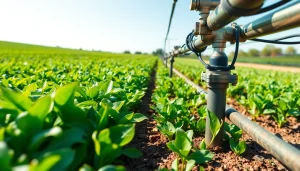
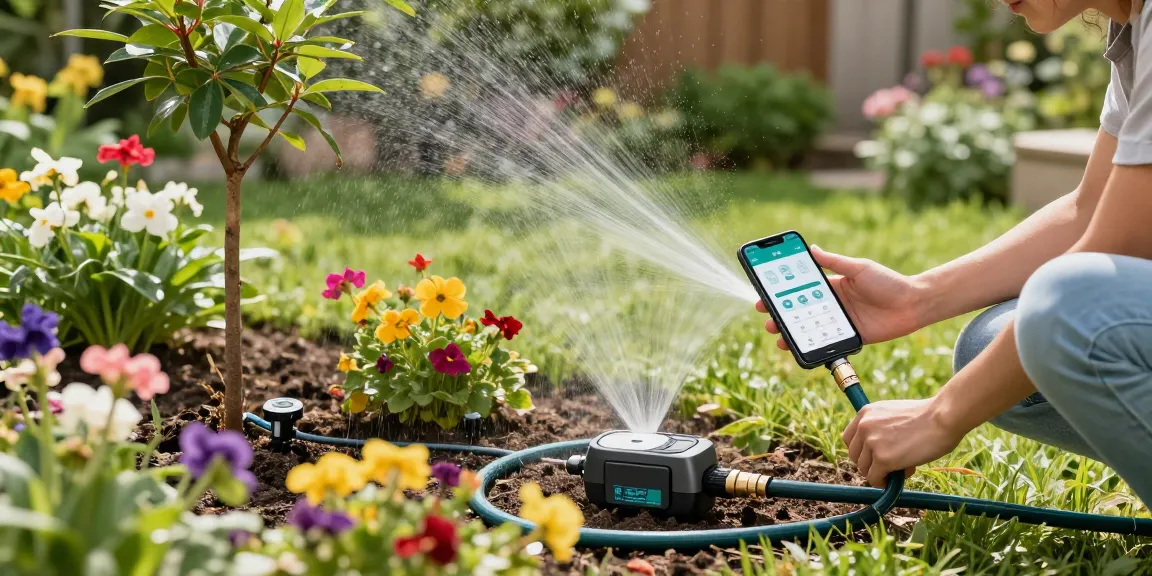
- Automate Watering: Install drip irrigation systems to reduce manual watering efforts.
- Low-Maintenance Plants: Opt for plants that require less frequent care and attention.
Identifying and Treating Plant Diseases Early
Plant diseases can quickly spread and devastate gardens. Early diagnosis is critical for effective management.
Signs of Common Plant Diseases
Be vigilant for these indicators:
- Discoloration of Leaves: Browning or yellowing can signal nutrient deficiencies or diseases.
- Wilting Plants: Symptoms of root rot or insufficient watering.
- Spots or Mold: Fungal infections often present themselves through unusual markings or growths.
Management Tactics
Addressing plant diseases early involves:
- Remove Infected Leaves: Prune away affected areas to prevent further spread.
- Implement Crop Rotation: Avoid planting the same species in the same location to reduce disease recurrence.
- Use Appropriate Fungicides: In severe cases, applying fungicides can help control outbreaks.